
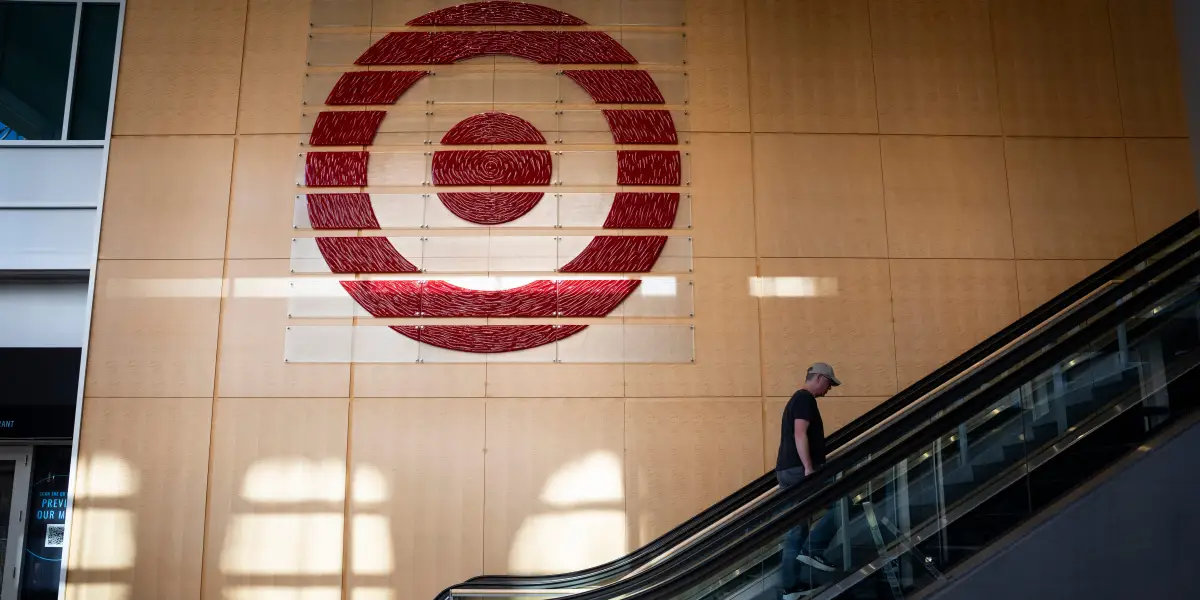
The Resurgence of Remote Work within Retail: A Comprehensive Analysis of Target’s Relocation Strategy
🌐 CONTEXT & BACKGROUND
As organizations navigate the complexities of the modern workforce, innovations in workplace strategies are accelerating, leaving traditional paradigms in disarray. In this competitive landscape, companies are relentlessly searching for the most effective ways to boost productivity while meeting employee expectations. Target’s recent mandate directing 150 remote workers in its merchandising team to return to its headquarters in Minneapolis signifies a pivot point in workplace culture, with broader implications for the retail sector.
Historically, remote work was viewed as a temporary adjustment during unprecedented global events. Companies enjoyed flexibility and reduced overheads, but they grappled with challenges related to collaboration and team dynamics. Before this move by Target, many retail companies were trying to streamline their remote frameworks but had not found a balance between in-office collaboration and remote productivity. As the marketplace began to stabilize, we now see a compelling opportunity for digital wealth generation through optimizing hybrid work models.
This new directive initiated by Target presents a dual-faceted opportunity for brands: capitalize on localized talent while leveraging advanced automation systems that ensure efficiency and creativity across teams. Notably, the driving factor behind this relocation strategy is the enhanced in-person collaboration intended to boost Target’s merchandising authority and overall competitiveness.
📊 MARKET IMPACT ANALYSIS
Target’s decision clearly identifies winners and losers in the emerging landscape of retail employment strategies. The winners will likely be organizations adopting a hybrid or return-to-office model, fostering collaboration and creativity, harnessed through advanced technology solutions. Conversely, the companies that cling to a purely remote work model may face operational challenges, stymied creativity, and degradation in team dynamics.
Industries like consumer goods, retail, and logistics will experience significant disruption. Brands that have relied heavily on remote frameworks without a solid in-office strategy may struggle against more dynamic competitors. The strategic leverage point for organizations now lies in understanding how to blend remote capabilities with in-office collaboration effectively. This shift will necessitate investment in agile management systems that offer customizable workflows, facilitating adaptability in operation.
⚔️ COMPETITIVE COMPARISON
Target’s latest approach contrasts sharply with its competitors who are either pushing for full-time remote positions or embracing more flexible hybrid models without firm in-office requirements. For instance, Amazon has adopted a more fluid remote arrangement but has also called teams back selectively, stating that collaboration is paramount to innovation. In comparison, AT&T has set a clear return timeline, indicating that the firm has recognized the value of direct interpersonal exchanges.
Technical benchmarks reveal the nuances. Target is doubling down on its merchandising capabilities and collaboration technology, focusing heavily on video conferencing, digital dashboards, and project management tools that facilitate rapid decision-making. This sets it apart from rivals that prioritize technological overhauls but neglect the essence of team collaboration necessary for creative innovation.
🛠️ REAL-WORLD USE CASES & MONETIZATION
Entrepreneurs can capitalize on the trends set forth by Target’s relocation directive in various ways. Here are three actionable workflow ideas:
⚡ **In-Person Workshops**: Organize creative workshops for teams that combine in-office collaboration with the power of advanced automation systems to consolidate ideas in real time.
⚡ **Hybrid Project Management Tools**: Develop a customizable project management tool that competes with existing solutions, focusing on the needs of hybrid teams, allowing for both remote and in-person collaboration.
⚡ **Consultative Services**: Offer consultative services to retailers focusing on merging remote workflows with in-office mandates, assisting brands in redefining their operational strategies to harness the best of both worlds.
📈 DATA & TRENDS
The market surrounding hybrid work environments is projected to reach new heights, with estimates suggesting a Compound Annual Growth Rate (CAGR) of 15% between now and 2026. As companies adopt more flexible work models, the investment into collaboration technologies is expected to exceed $100 billion globally.
The significant push for in-office strategies by leading brands forecasts a rise in project management tool adoption by at least 20% in the next 3 years. Furthermore, forecasts indicate a surge in in-office professional development budgets as firms aim to enhance team cohesiveness.
🧠 HUSTLEBOTICS EDITORIAL INSIGHT
Based on our strategic analysis at HustleBotics, it is clear that the current shift by Target to require remote teams to return to headquarters is not merely a reaction to productivity issues but a calculated move to redefine the future of work. The connotations for brands involve a fresh look at workplace dynamics and the potential to invest in digital leverage tools that elevate operational efficiency.
🔮 FUTURE PREDICTIONS
Within the next six months, we expect a ripple effect among similar retailers as they assess the benefits of returning to more traditional frameworks amidst a growing demand for collaboration. If Target successfully enhances its competitiveness through this strategy, expect to see a broader shift back to in-person work across the sector by early 2025. However, if businesses struggle to balance remote flexibility with in-person mandates, we may only see a temporary resurgence.
Looking two years ahead, this could emerge as a pivotal moment for the retail sector, providing insights that drive innovations in workplace structure and team collaboration dynamics. Alternatively, if trends lean too heavily into in-person mandates without catering to employee flexibility, we may witness a backlash, further spiraling workplace satisfaction levels.
❓ FAQ SECTION (SCHEMA READY)
What is the significance of Target’s call for remote workers to return to the office?
Target’s decision signifies a growing trend among retailers to enhance in-person collaboration, aiming to boost creativity and productivity within teams, integral to their turnaround strategy for growth.
How can businesses leverage this trend toward in-person collaboration?
Businesses can leverage this trend by investing in advanced automation systems and project management tools that facilitate seamless collaboration between remote and in-office workers, ensuring efficiency and creativity.
Can I expect changes within my organization if I choose to adopt in-office work models?
Yes, adopting in-office work models could lead to enhanced team dynamics, faster decision-making, and stronger creative outputs, allowing organizations to stay competitive in an evolving marketplace.
What industries will be most impacted by Target’s announcement?
Industries such as retail, consumer goods, and logistics are poised for significant impacts as they reassess operational strategies in light of renewed in-person collaboration requirements.
How can I explore advanced automation systems for enhancing workplace collaboration?
To explore advanced automation systems, organizations should research and invest in tools that facilitate real-time project management, communication, and data sharing between remote and on-site teams, fostering a hybrid workplace environment.
💡 Hustle Verdict
The recent shift by Target portrays a crucial intersection of workplace culture and operational efficiency, defining a new chapter in retail. Organizations that can successfully navigate these changes with strategic foresight will likely capture market share and foster innovation in their teams.







Really impressed with the customer support here. They solved my issue in minutes and the games are top notch. Give vnss88 a try for sure.