
🌐 CONTEXT & BACKGROUND
In today’s rapidly evolving market landscape, the recent restructuring at Redwood Materials underscores critical shifts that resonate deeply with entrepreneurs across sectors. With a commitment to sustainable energy solutions and innovative battery technologies, these changes signal not only a transformative phase within Redwood but also wider implications for the sustainability and energy storage industries.
Historically, battery recycling and energy storage have presented significant challenges, primarily concerning material sourcing, costs, and environmental impact. As global demand for electric vehicles (EVs) surged, the necessity for effective recycling and innovative battery management has become paramount. Before these developments, the market was characterized by high operational costs and inefficiencies, leaving room for disruption and innovation.
📊 MARKET IMPACT ANALYSIS
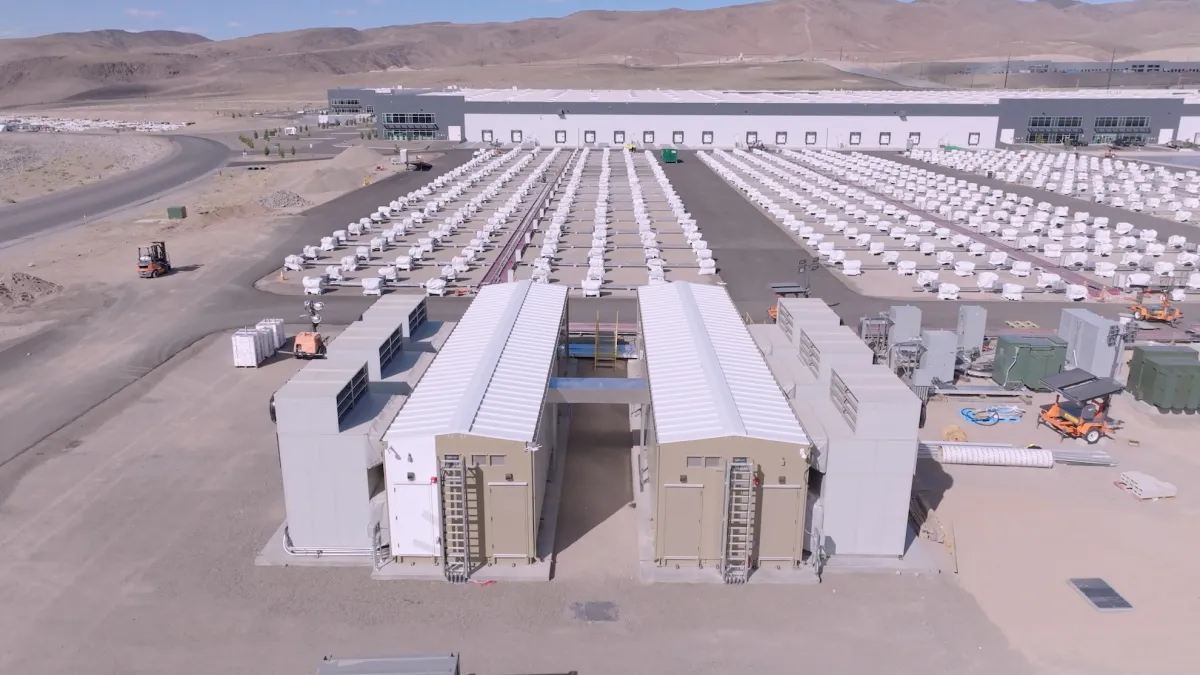
The recent changes at Redwood Materials highlight both winners and losers within the energy storage ecosystem. The departure of key figures, including COO Chris Lister, and the restructuring that resulted in layoffs of approximately 135 employees, points to a consolidation of focus aimed at bolstering their energy storage segment. This restructuring may prove advantageous to companies like Rivian and Crusoe, who are partnering with Redwood to leverage refurbished batteries for grid storage.
Conversely, the layoffs and top executive departures pose significant challenges for Redwood. These changes may create instability during a transitional phase meant to enhance company focus and efficiency. As competition intensifies in battery recycling and energy storage, the financial consequences for players that cannot adapt quickly enough could be substantial.
The industries set for disruption include not only battery manufacturing and recycling but also transportation and grid management sectors. Companies that can harness the potential of refurbished battery technologies for grid storage are positioned to capitalize on the rising demands from both consumers and regulatory frameworks encouraging sustainability.
⚔️ COMPETITIVE COMPARISON
When benchmarking Redwood’s recent strategies against competitors such as Li-Cycle and battery manufacturers like Panasonic and LG Chem, the focus on restructuring for efficiency stands out. Redwood’s move towards a leaner operational model contrasts with Li-Cycle’s aggressive expansion strategy, which emphasizes rapid scaling and market entry. Both approaches aim to dominate the burgeoning field of sustainable materials, but they cater to different market segments and operational philosophies. Redwood is honing in on tailored solutions and strategic partnerships, which may allow for specialized offerings that differentiate it from its rivals.
🛠️ REAL-WORLD USE CASES & MONETIZATION
Startups and solo entrepreneurs can capitalize on this shift toward energy storage and battery recycling through several innovative pathways:
- ⚡ **Energy Storage Solutions**: Develop systems or software that optimize the storage and deployment of energy from refurbished batteries, targeting businesses wanting to reduce energy costs and carbon footprints.
- ⚡ **Consulting Services**: Provide expert guidance to manufacturers aiming to integrate refurbished batteries into their supply chain, enabling them to adopt more sustainable practices efficiently.
- ⚡ **Battery Tracking Applications**: Create applications that enable consumers and businesses to track the lifecycle of their batteries, promoting recycling and sustainability education within communities.
📈 DATA & TRENDS
The global investments in battery recycling and energy storage technologies are expected to experience a compound annual growth rate (CAGR) ranging between 20-25% by 2026. Such growth reflects an increasing urgency for sustainable practices as regulatory pressures mount.
Adoption trends indicate that by 2026, an estimated 300 million electric vehicles will be on the road, significantly contributing to the demand for sophisticated recycling and storage solutions. The energy storage market alone is anticipated to soar to a value of approx. $10 billion, creating countless opportunities for innovative startups and existing companies alike.
🧠 HUSTLEBOTICS EDITORIAL INSIGHT
Based on our analysis at HustleBotics, the latest developments at Redwood Materials not only highlight the challenges associated with rapid growth but also forge an advantageous path for entrepreneurs willing to adapt. The firm’s strategic shift towards focusing on core competencies in energy storage can potentially catalyze a wave of innovation and investment across the industry. For entrepreneurs, the evolving landscape signals that now is an opportune time to enter the market and play a pivotal role in this essential sustainability transition.
🔮 FUTURE PREDICTIONS
In the next six months, we anticipate that Redwood will streamline operations effectively, aligning its workforce with strategic goals. The partnerships with Rivian and Crusoe may yield immediate rewards, solidifying Redwood’s standing within the energy storage domain. However, the true test will occur in two years, as we expect the industry to undergo substantial shifts driven by advances in battery technologies and growing consumer demand for sustainable products. If Redwood can leverage its restructuring wisely, it could serve as a model for others in the solar and energy management sectors, marking a potential pivot point for the industry.
❓ FAQ SECTION
What is Redwood Materials?
Redwood Materials is a company focused on battery recycling and enhancing sustainable energy storage solutions, aiming to create a closed-loop system for battery materials.
How to integrate refurbished batteries into my business model?
Start by evaluating your energy needs and exploring partnerships with companies like Redwood that specialize in providing refurbished batteries for efficient energy solutions.
Can I invest in battery recycling technologies?
Yes, with the increasing demand and market growth, investing in companies or startups focused on battery recycling and energy storage presents a lucrative opportunity.
What are the benefits of battery recycling?
Battery recycling minimizes waste, reduces manufacturing costs for new batteries, and lessens environmental impact—all critical for sustainable development.
How can startups benefit from the restructuring at Redwood Materials?
Startups can capitalize on the trends in energy storage and sustainable practices by developing innovative solutions or partnerships tailored to the evolving landscape shaped by Redwood’s strategic changes.







If you love slots then this is the place to be. The graphics are crisp and the bonuses are actually helpful. Love 5jljlslots
Kudos to the support team for being so helpful with my deposit. Everything is handled professionally over at phkingsph.
The deposit and withdrawal process is incredibly fast. No more waiting for days to get my winnings. Love rupiah100login for the efficiency.
If you are looking for a VIP experience with great perks, this is the spot. The service at f1685vip is just on another level.
Honestly the best experience I have had with a slot site recently. The payouts are fair and the interface is super smooth. Definitely check out jili988casinologin if you want a reliable place to play.
The VIP treatment here is actually legit. I feel like a valued player and the rewards keep coming. You should try vnynvn88vip for a more premium gaming feel.
I really appreciate how transparent this platform is with their rules. No hidden catches, just pure gaming fun at kronwin.