🌐 CONTEXT & BACKGROUND
In an era where speed grants competitive edge, the booming quick commerce market in India is redefining business paradigms, making it critical for entrepreneurs to stay abreast of these developments. This surge in demand, driven by the push for lightning-fast deliveries, presents unprecedented opportunities and challenges within an already saturated landscape.
The history of quick commerce traces back to the increasing consumer need for immediacy in delivery services. Traditionally, e-commerce lacked the ability to meet on-demand needs, often leading to a 24-hour wait period, which left many consumers desiring quicker options. With the rise of various startups like Blinkit, Swiggy, and Zepto, the market was ripe for disruption. The arrival of giants like Flipkart and Amazon has intensified competition, causing profound shifts in consumer behavior, delivery logistics, and the very nature of profitable business models.
📊 MARKET IMPACT ANALYSIS
The market impact of this rapid expansion is multi-faceted, presenting winners and losers across different segments. The clear winners include technology-driven logistics and automation systems that allow for efficient inventory management and faster delivery cycles. However, traditional delivery services and smaller players may struggle to compete against the hefty discounts and resources offered by giants like Flipkart and Amazon.
This burgeoning quick commerce landscape is set to disrupt multiple industries such as groceries, healthcare, and consumer goods, effectively altering the delivery models businesses have relied upon for decades. While companies like Flipkart and Amazon are leveraging technology and operational efficiencies to grab market share, traditional competitors are likely to scramble to find viable paths for survival. With around 6,000 dark stores now operational, the significant overlap intensifies competition, allowing only the agile players to thrive.
⚔️ COMPETITIVE COMPARISON
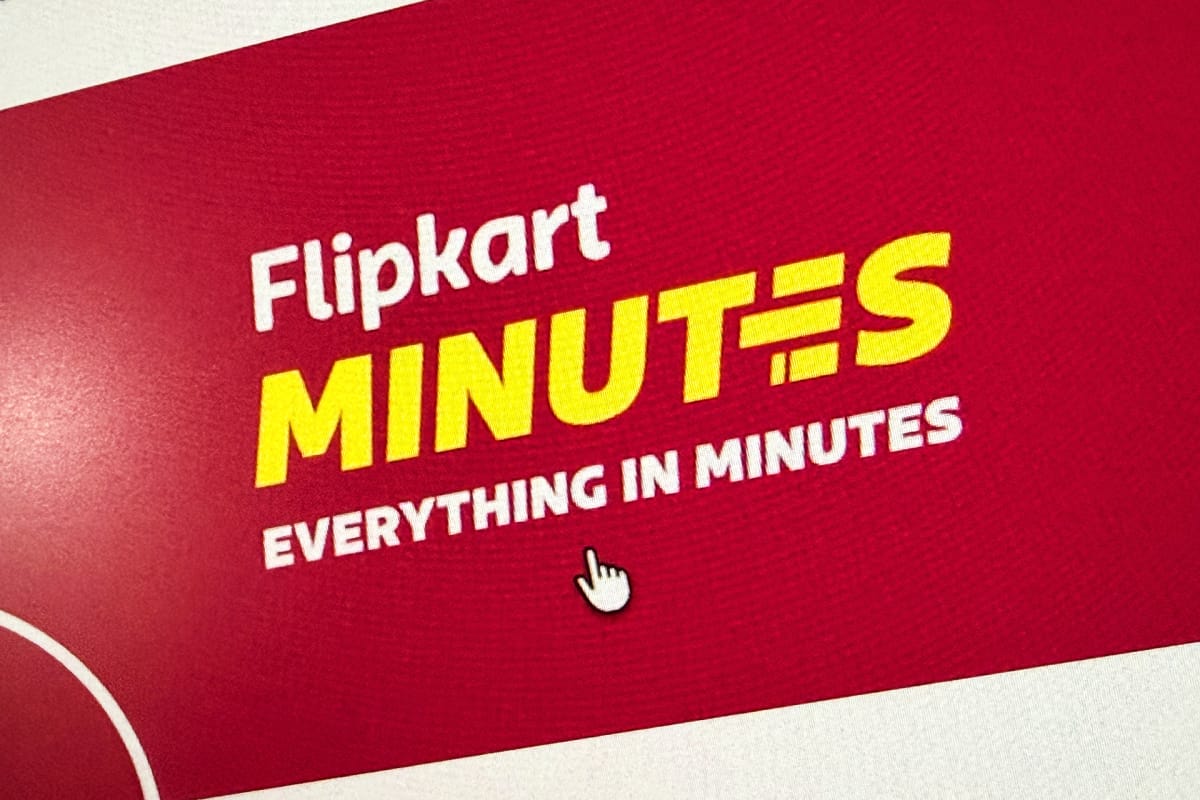
Direct competitors like Blinkit, Swiggy, and Zepto are witnessing intensified scrutiny as Flipkart’s aggressive foray into the quick commerce sphere raises the stakes. Flipkart Minutes, launched in August 2024, now operates more than 800 dark stores, aiming to double its presence. In contrast, Blinkit, backed by a considerable number of 2,200 dark stores, has prioritized customers in top-tier cities while plotting to expand the total number to 3,000 by 2027.
Technical benchmarks further illustrate this competitive landscape, with Flipkart offering delivery times as short as 10 minutes, positioning itself as a formidable contender throughout India. The relentless pricing strategies employed by Flipkart, averaging 23-24% discounts, stand in stark contrast to the pricing pressures other players face, posing interrogations regarding long-term sustainability and profitability in a discount-driven market. An unbiased assessment shows that companies with superior technology and operational logistics will determine the future of this sector.
🛠️ REAL-WORLD USE CASES & MONETIZATION
For entrepreneurs looking to leverage the opportunities presented by this quick commerce boom, the following workflow ideas stand out:
- ⚡ **Hyperlocal Grocery Delivery**: Targeting smaller towns, entrepreneurs can partner with local farmers and suppliers for same-day grocery deliveries, utilizing existing quick commerce infrastructure to offload logistics costs.
- ⚡ **On-Demand Pharmacy Services**: Leverage dark store networks to facilitate speedy delivery of medications in urban and semi-urban areas, offering customized subscription models for chronic patients.
- ⚡ **Event-Based Delivery Services**: Create a platform for quick deliveries specifically tailored for local events—such as weddings or parties—where timely procurement of essentials is critical.
📈 DATA & TRENDS
The quick commerce market in India is projected to witness substantial growth, with current investments estimated around $3 billion and a CAGR of approximately 25% from 2023 to 2026. By 2026, market adoption trends indicate that monthly active users could surpass 40 million, as consumer preferences tilt toward immediacy and convenience.
Observations indicate that metros account for over 3,600 dark stores with high profit potentials, further solidifying the insistence on urban-focused growth strategies. This fundamental framework underscores how geographical focus and market maturity will dominate investment strategies in the coming years.
🧠 HUSTLEBOTICS EDITORIAL INSIGHT
Based on our analysis at HustleBotics, the shift toward rapid delivery systems is not merely an isolated trend, but a foundational change in consumer habits. This will likely lead to a restructuring of existing business models as companies aim to capture the immediacy-focused consumer segment. The long-term consequences will compel businesses to continually innovate and improve their operational efficiencies to remain competitive.
🔮 FUTURE PREDICTIONS
Over the next six months, companies will likely intensify their efforts to optimize delivery logistics, resulting in improved technologies and processes. By the two-year mark, we anticipate a significant consolidation phase, as weaker players struggle to keep up in a price-sensitive, competitive market. If this consolidation occurs, it may be seen as a pivotal point, ultimately leading to fewer but stronger players clarifying the quick commerce landscape.
❓ FAQ SECTION
What is quick commerce?
Quick commerce refers to the retail model focused on delivering products to consumers within a short time, often in less than an hour, meeting immediate consumer demands.
How do Flipkart and Amazon compete in quick commerce?
Flipkart and Amazon leverage vast networks of dark stores and aggressive pricing strategies to attract customers, aiming to reduce delivery times while maximizing profitability.
Can small businesses benefit from quick commerce trends?
Absolutely! Small businesses can tap into quick commerce trends by collaborating with local suppliers or utilizing existing logistics frameworks to capture imminent consumer needs.
Why is dark store expansion crucial?
Dark store expansion allows companies to maintain inventory in strategic locations, enabling them to fulfill orders faster, particularly in high-demand urban areas.
How do I get started in quick commerce?
Begin by identifying market gaps, establishing a partnership network, and leveraging available technologies to build a robust operational infrastructure for immediate delivery services.