WHY THIS MATTERS FOR ENTREPRENEURS
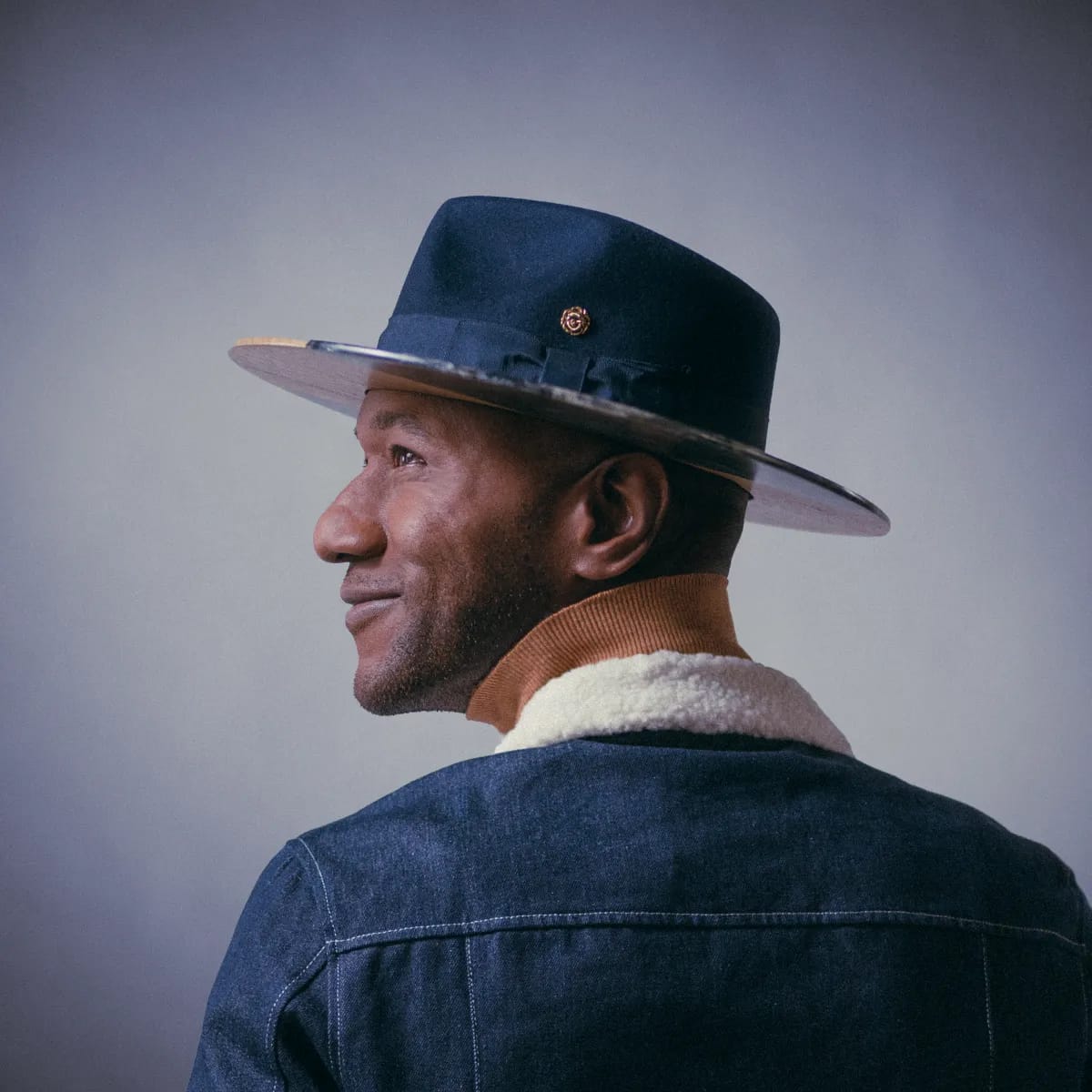
The intersection of technology and healthcare has never been more critical for entrepreneurs looking to innovate in high-stakes environments. Aloe Blacc’s ambitious leap into the biotech realm highlights the necessity for entrepreneurial agility and foresight in navigating complex regulatory landscapes.
This new venture into cancer drug development not only addresses unmet medical needs—such as pancreatic cancer, which has a staggering 90% mortality rate—but also demonstrates how creators from diverse backgrounds are stepping into roles typically reserved for seasoned biotech veterans, thereby opening doors for disruptive innovation in an industry ripe for transformation.
HISTORY OF THE TECH
The field of biotechnology has been evolving rapidly over the past few decades, utilizing cellular and biomolecular processes to develop innovative healthcare solutions. Historically, drug development has been marred by high costs, prolonged timelines, and stringent regulatory requirements. Before recent advancements, traditional biopharmaceuticals could take over a decade to reach the market, hindered by bureaucratic bottlenecks and a lack of transparency.
The introduction of automation systems in research and development has revolutionized this landscape. They simplify complex tasks, streamline protocols, and enhance data accuracy, thereby enabling more rigorous clinical trials and faster paths to commercialization. However, despite these improvements, challenges persist—especially for those outside the established biotech ecosystem. Aloe Blacc’s unique foray into this arena illustrates the potential for disintermediation in a heavily regulated market, making the case for a new paradigm in biotech entrepreneurship.
MARKET IMPACT ANALYSIS
The willingness of celebrity entrepreneurs like Aloe Blacc to engage in drug development transforms the competitive dynamics within the biotech sector. On one side, there are those who stand to gain immensely—investors looking to enter a booming market, stakeholders in biotech accelerators, and research institutions. Companies focused on AI-driven drug discovery and rapid prototyping are positioned to capitalize on this surge in attention.
However, traditional biopharmaceutical players, accustomed to controlled environments, may struggle to adapt to this emerging competition. The introduction of new models for funding and commercialization could disrupt established companies reliant on outdated structures, shaking up a market that has historically resisted change.
Industries likely to feel the impact include healthcare, pharmaceuticals, and venture capital. Entrepreneurs who adopt innovative funding mechanisms or incorporate data-driven approaches to drug development can leverage immense financial opportunities, potentially leading to breakthroughs that will change lives.
COMPETITIVE COMPARISON
In comparison to traditional biotech methods, Aloe Blacc’s approach stands out as revolutionary. Traditional companies often hinge on lengthy grant processes and significant upfront capital to advance a drug through testing and regulatory approval. In contrast, Blacc’s “build-first” strategy takes advantage of networking within creative communities, aligning with agile methodologies that prioritize fast iteration and real-world evidence.
Moreover, the use of AI-driven platforms such as the University of Houston’s molecule discovery technology offers a stark competitive advantage, claiming to significantly reduce the R&D timelines for drug development. These advancements outperform existing systems, which may take years to produce similar results.
REAL-WORLD USE CASES & MONETIZATION
Workflow Ideas
Here are three specific workflow ideas that a startup or solo-hustler can employ to monetize this update rapidly:
- ⚡ **Crowdfunding for Biotech Startups:** Harness platforms that allow creatives and innovators to present their projects to potential backers, offering exclusive insights and potential equity in return.
- ⚡ **Data-Driven Drug Discovery Partnerships:** Form alliances with universities or existing biotech firms to tap into their technologies and leverage their capabilities for developing faster solutions. Target pancreatic cancer as a case study!
- ⚡ **Education and Consultation Services:** Create informational webinars, workshops, or online courses to guide others on navigating the complexities of the biotech landscape, using Aloe Blacc’s case as an educational model.
DATA & TRENDS
The global biotech market has been on a notable uptick, with an estimated compound annual growth rate (CAGR) of around 7.4%, projected to surpass $775 billion by 2026. The push for personalized medicine and breakthroughs in oncology will fuel further investment; in 2023 alone, private equity investment in health tech is expected to exceed $50 billion.
Additionally, user adoption trends indicate a rising interest in automation systems within pharmaceutical research; recent surveys show that 62% of biotech firms are adopting AI and machine learning technologies to streamline drug development strategies.
HUSTLEBOTICS EDITORIAL INSIGHT
Based on our analysis at HustleBotics, Aloe Blacc’s initiative signifies a crucial turning point in the biotech landscape. No longer is innovation confined to established entities; now it is being democratized, allowing visionaries from all walks of life to penetrate the market. This shift not only paves the way for groundbreaking innovations but also fosters a culture of responsibility towards both social impact and tangible healthcare solutions.
FUTURE PREDICTIONS
Looking six months ahead, we anticipate more celebrity entrepreneurs stepping into the healthcare space, demystifying the biotech process while appealing to the growing consumer desire for accountability in healthcare advancements. Funding mechanisms will likely evolve to make entry easier for outsiders, but regulatory frameworks will still impose challenges to ensure consumer safety.
In two years, the dynamics of the biotech industry could change substantially. The balance will shift further away from traditional companies and toward agile startups that can adapt and innovate quickly. The risk of oversaturation may exist, but so too will the potential for unprecedented breakthroughs. This may very well be a pivot point, urging long-standing companies to reconsider their strategies or face the consequences of newfound entrepreneurship.
FAQ SECTION
What is the significance of Aloe Blacc entering the biotech industry?
Aloe Blacc’s entry illustrates how diverse backgrounds can challenge traditional biotech paradigms, democratizing access to drug development and funding opportunities.
How can emerging entrepreneurs leverage this trend?
Emerging entrepreneurs can harness partnerships, innovative funding mechanisms, and streamlined processes to expedite drug development and capitalize on market needs.
Can drug development timelines truly be shortened?
Yes, advancements in automation systems and data-driven methodologies have made it possible to significantly reduce the time from research to market.
What industries will be most affected by this shift?
Healthcare, pharmaceuticals, and venture capital will likely experience the most disruption as new entrants employ unconventional business models and technologies.
How can startups monetize biotechnology innovations rapidly?
Startups can monetize innovations through crowdfunding, educational services, and strategic partnerships, creating unique offerings in the rapidly changing landscape.