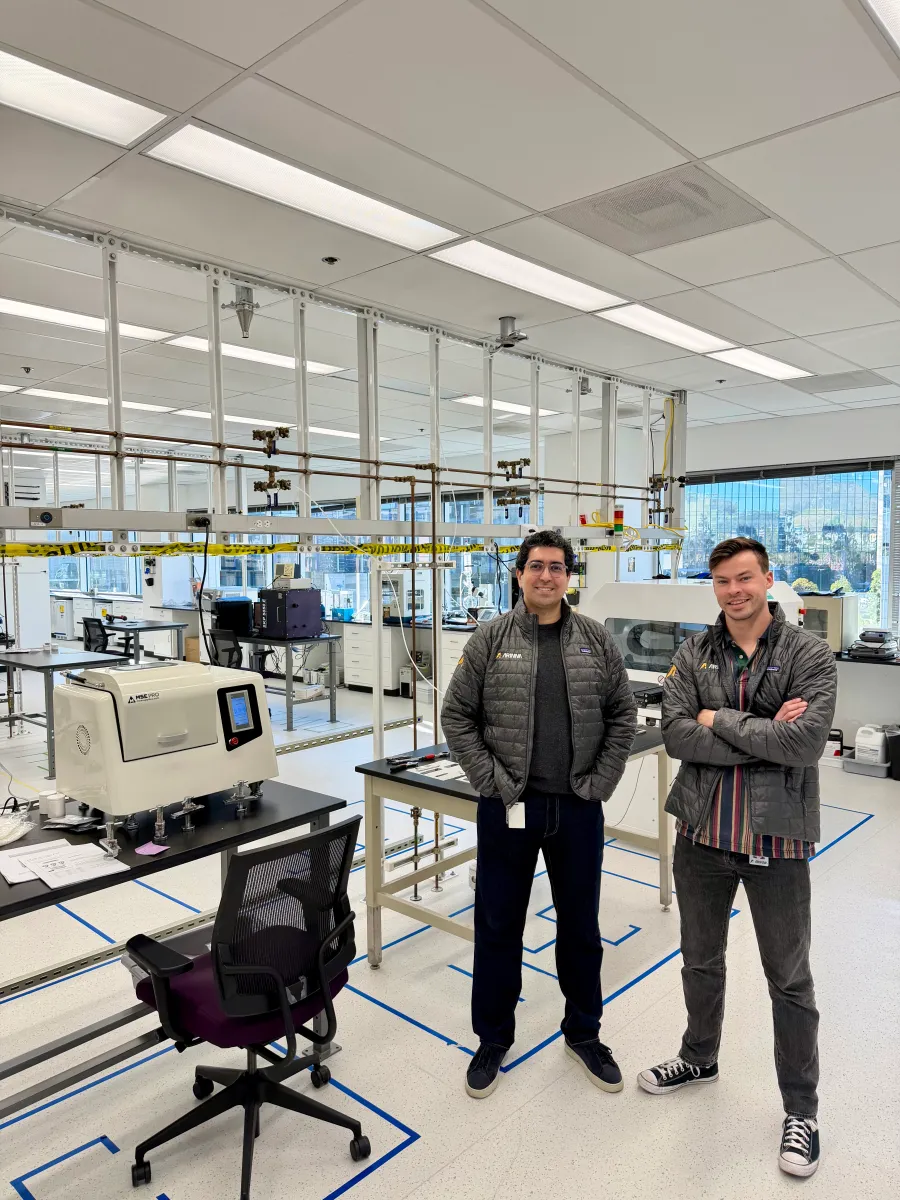
The Dawn of a New Era in Space Power: Arinna’s Ultralight Solar Panels
In the rapidly evolving world of entrepreneurship, understanding the power dynamics of emerging technologies is essential. With stellar ambitions becoming the norm for both nation-states and private billionaires, the demand for advanced energy sources has never been higher. Enter Arinna, a pioneering startup bringing forth ultrathin solar panels based on groundbreaking materials developed by Stanford PhDs Koosha Nazif and Alex Shearer. This advancement could revolutionize how power is generated and used in outer space, making it a critical focus for entrepreneurs keen on aligning their efforts with future technology trends.
The history of solar technology is a tale of innovation. From humble beginnings in the 1830s with the first photovoltaic effect discovery to the more complex silicon-based panels seen today, the journey has been long and transformative. Traditional solar panels, especially those used in space applications, typically faced significant drawbacks, including high costs and inefficiencies. The urgency for a sustainable, durable, and efficient power source has led the market to evolve rapidly, shifting from bespoke options to more widely manufactured solutions. However, with advancements also come limitations such as degradation from cosmic radiation, a common enemy in the expansive and harsh conditions of space.
The recent announcement from Arinna addresses these challenges head-on, marking a pivotal shift in an otherwise stagnant market of solar technology for aerospace applications. With the company’s strategic launch and successful fundraising, the landscape is poised for a dramatic transformation.
Market Impact Analysis
The introduction of Arinna’s ultrathin solar technology heralds significant winners and losers in the industry. Traditional suppliers of solar panels, especially those based on silicon or lesser materials, may find themselves struggling to maintain market share. Conversely, Arinna stands to gain not only from its innovative technology but also through strategic partnerships with companies like Spacecadet Ventures, Breakthrough Energy Foundation, and Anorak Capital.
This advancement in automation technology disrupts not only manufacturing but also space exploration, satellite services, and sectors heavily reliant on energy efficiency. Industries such as telecommunications and space logistics will experience immediate business leverage due to reduced costs and increased energy output.
The financial implications are also noteworthy. The potential market for space power solutions is projected to soar, with estimates indicating a compound annual growth rate (CAGR) nearing 15% by 2026. Investors and savvy entrepreneurs seeking to capitalize on this tech should take heed: the opportunity to tap into this market is now.
Competitive Comparison
When evaluating Arinna’s offering against traditional solar technologies and even recent entrants, it’s important to consider technical benchmarks. Legacy solar panels often operate around 20% efficiency but come with high costs and limited durability in space environments. In contrast, Arinna claims a staggering operational efficiency of 32%, increased flexibility, and a lifespan exceeding 15 years in orbit.
While companies have increased productivity via improved manufacturing techniques, they still rely largely on traditional materials. Arinna’s unique use of transition metal dichalcogenides (TMDs) provides a competitive advantage that sets it apart from both existing solutions and competitors hoping to enter this nascent market.
This class of materials represents a significant paradigm shift in how solar technologies can be leveraged, outperforming older substances in every key metric: performance, cost-efficiency, and durability.
Real-World Use Cases & Monetization
For startups and solo entrepreneurs, Arinna’s innovative panels present immediate monetization strategies. Here are three specific workflow ideas that can be leveraged:
- ⚡ **Satellite Power Solutions**: Develop a service that retrofits existing satellites with Arinna’s solar cells, allowing for enhanced performance, reduced operational costs, and longer lifespan.
- ⚡ **Space Mission Consulting**: Offer consultancy services for space agencies to adopt this new technology, helping them design and build spacecraft equipped with next-gen power solutions.
- ⚡ **Energy Supply Contracts**: Create business opportunities supplying power through satellite systems to Earth or developing new energy marketplaces focused on space-derived energy.
Data & Trends
The investment dynamics surrounding power technologies for space are transforming rapidly. In the last quarter alone, space-focused investments hit over $5 billion, fueling estimates that the market for space power solutions could reach upwards of $30 billion by 2026. Factors contributing to this explosive growth include an increase in satellite launches and enhanced government interest in space exploration.
User adoption of advanced solar technologies is also expected to increase substantially, with forecasts suggesting adoption rates could exceed 50% in government and commercial space missions by 2026. All of these indicators forecast a promising horizon for innovations like those emerging from Arinna.
HustleBotics Editorial Insight
Based on our analysis at HustleBotics, the rise of Arinna’s technology is not just another step forward; it’s potentially a leap into a new space paradigm. This is significant not only for current entrepreneurs but also for future players entering the sector. Those willing to embrace these advancements through innovative solutions will find themselves at the forefront of a transformative industry.
Future Predictions
Looking ahead, the next 6 months will see Arinna test its products in orbit, setting the stage for validation and practical application. Should these tests succeed, the growth trajectory will likely accelerate, driving investor interest and market validation.
In 2 years, Arinna could establish itself as a fundamental pillar in space power solutions. The industry could reach a pivot point where reliance on traditional solar technology becomes a thing of the past, creating a cascade of opportunities for those adept at recognizing and addressing this shift.
FAQ Section
What is Arinna’s solar technology?
Arinna’s solar technology consists of ultrathin solar panels made from transition metal dichalcogenides (TMDs), designed for enhanced efficiency and durability in space.
How can I invest in Arinna?
While specific investment opportunities may be limited to accredited investors at this stage, following venture capital entries and monitoring additional funding rounds can provide avenues for future investment.
Can these solar panels be used on Earth?
While primarily designed for space applications, the technology could potentially be adapted for terrestrial use, especially in flexible solar solutions or urban installations.
What industries will benefit from Arinna’s technology?
A wide range of sectors can benefit, including aerospace, telecommunications, satellite servicing, and renewable energy markets.
How do I start a business leveraging this technology?
Identifying niches such as satellite retrofitting or energy supply can offer pathways to capitalize on Arinna’s innovation. Business models focusing on consultancy or integration services are also promising.