Context & Background
The substantial $575 million funding secured by Whoop is a pivotal development that entrepreneurs in the fitness technology ecosystem cannot afford to overlook. With a valuation nearly tripling its previous figure, this moment not only highlights the financial confidence in health and fitness technology but also emphasizes the lucrative avenues that await startups in similar sectors.
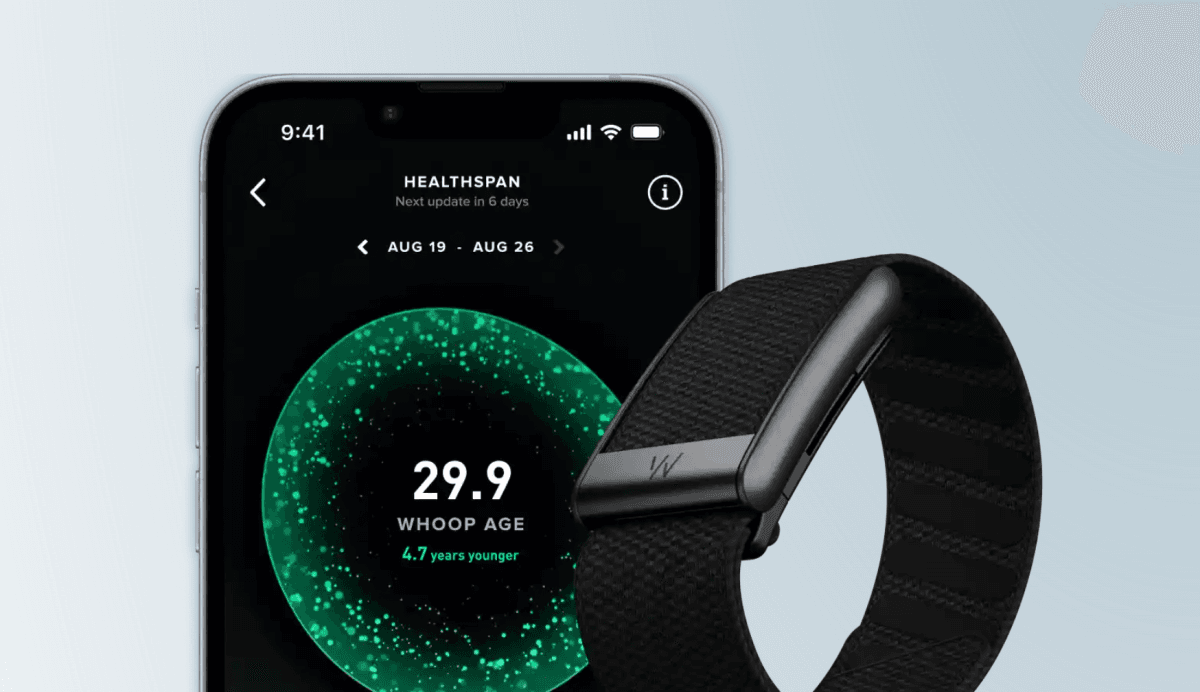
Founded to address the pressing need for accurate and user-friendly health tracking, Whoop has evolved from its inception as a niche wearable provider into a heavyweight in the fitness industry. The technology aims to solve significant challenges faced by athletes and health-conscious individuals by providing insights into performance metrics, recovery times, and overall wellness. Before this funding news, the market was a battleground dominated by traditional wearables with basic functionality, struggling to meet the high expectations of discerning consumers interested in real-time, actionable health data.
Market Impact Analysis
The latest funding round has effectively repositioned Whoop as a market leader, leading to a cascade of winners and losers in the health technology landscape. The winners include Whoop itself and its investors, such as Mubadala Investment Company and Qatar Investment Authority, who are likely to benefit from both the technical advancements and the consumer enthusiasm that the funding will generate. In contrast, traditional wearable manufacturers that lack innovation or fail to pivot in light of these developments risk losing market share.
This funding alters the automation landscape by enabling Whoop to double down on its existing model while simultaneously diversifying into new verticals such as healthcare, made possible through its notable partnership with Abbott Laboratories. Industries likely to be disrupted include fitness training, personal healthcare management, and even corporate wellness programs. Each of these sectors presents a fertile ground for robust business leverage and financial opportunities, particularly through subscription models and data analytics.
Competitive Comparison
When juxtaposed with previous iterations of wearables, Whoop’s advanced offering is a marked evolution. While many traditional devices focused merely on tracking steps or basic heart rates, Whoop combines hardware with a subscription-based model, which provides an ongoing stream of data and insights. Competing products like Oura and Fitbit, while well-known, often lack the deep integration of health metrics that Whoop offers—metrics that are crucial for athletes and serious fitness enthusiasts.
Moreover, the technical benchmarks surrounding Whoop’s capabilities include continuous heart rate monitoring, sleep analytics, and strain tracking—elements that other competitors often gloss over. This reveals a gap in the market that Whoop has expertly capitalized on, setting a new baseline that others must meet if they intend to remain relevant.
Real-World Use Cases & Monetization
For entrepreneurs and solo-hustlers seeking to capitalize on this industry shift, here are actionable workflows influenced by Whoop’s recent funding:
- ⚡ **Subscription Health Consultancy:** Use the data from Whoop’s wearable technology to create a subscription service that offers personalized health coaching based on user metrics, appealing especially to fitness enthusiasts.
- ⚡ **Corporate Wellness Programs:** Develop a tailored program for companies that integrates Whoop’s insights to enhance employee wellness and productivity, thereby creating a recurring revenue stream.
- ⚡ **Content Creation & Affiliate Marketing:** Launch a blog or YouTube channel that reviews and analyzes health wearables and recaps innovative health technologies, monetizing through affiliate marketing.
Data & Trends
The fitness technology sector is predicted to see remarkable growth. Market research anticipates a compound annual growth rate (CAGR) of around 24% between 2021 and 2026, fueled by increasing consumer awareness about health and fitness. Investment in this space, particularly in health wearables, reached nearly $10 billion in 2021 alone.
User adoption trends reveal that around 90% of fitness trackers in 2021 were aimed at home fitness enthusiasts, a trend that is expected to persist as consumer health awareness rises, particularly in the post-pandemic landscape. By 2026, it’s expected that the market will account for over 500 million users, further cementing the rising relevance of companies like Whoop.
HustleBotics Editorial Insight
Based on our analysis at HustleBotics, the implications of Whoop’s recent funding cannot be understated. The consolidation of investment from both sovereign wealth funds and sporting celebrities signifies a powerful endorsement of the company’s potential. As consumer demand for data-driven health insights continues to escalate, Whoop stands to become a benchmark for others in the industry, setting standards that emphasize personalization and depth of analytics.
Future Predictions
In the six months following this funding round, we can expect Whoop to unveil new product features and potentially additional partnerships that could redefine its market position. Innovations around data utilization will likely lead to new services that incorporate machine learning-driven insights.
Looking ahead to two years from now, we anticipate Whoop may very well approach an IPO, especially if it successfully continues to innovate and expand both its product offerings and market reach. The landscape seems ripe for major shifts, making this not just a fleeting trend, but a potential pivot point for the entire health technology sector.
FAQ Section
What is Whoop’s recent funding round about?
Whoop recently secured a $575 million Series G funding round, boosting its valuation to $10.1 billion, aiming to expand its technology and health capabilities.
How does Whoop’s technology differ from traditional wearables?
Unlike conventional wearables that focus solely on step-counting or basic heart rate monitoring, Whoop integrates continuous health analytics with a subscription model, offering a comprehensive understanding of user wellness.
Can I monetize Whoop’s technology as an entrepreneur?
Yes, you can leverage Whoop’s real-time health data in various business models, including subscription health consulting, corporate wellness programs, or even creating content through blogs and videos for affiliate marketing.
What industries will be impacted by Whoop’s growth?
Industries such as fitness training, personal healthcare management, and corporate wellness programs are likely to experience significant disruption as Whoop scales its offerings.
Is Whoop planning to go public soon?
While there’s no confirmed timeline for an IPO, the recent funding and ongoing preparations indicate that Whoop is making strides to position itself for potential public offerings in the near future.