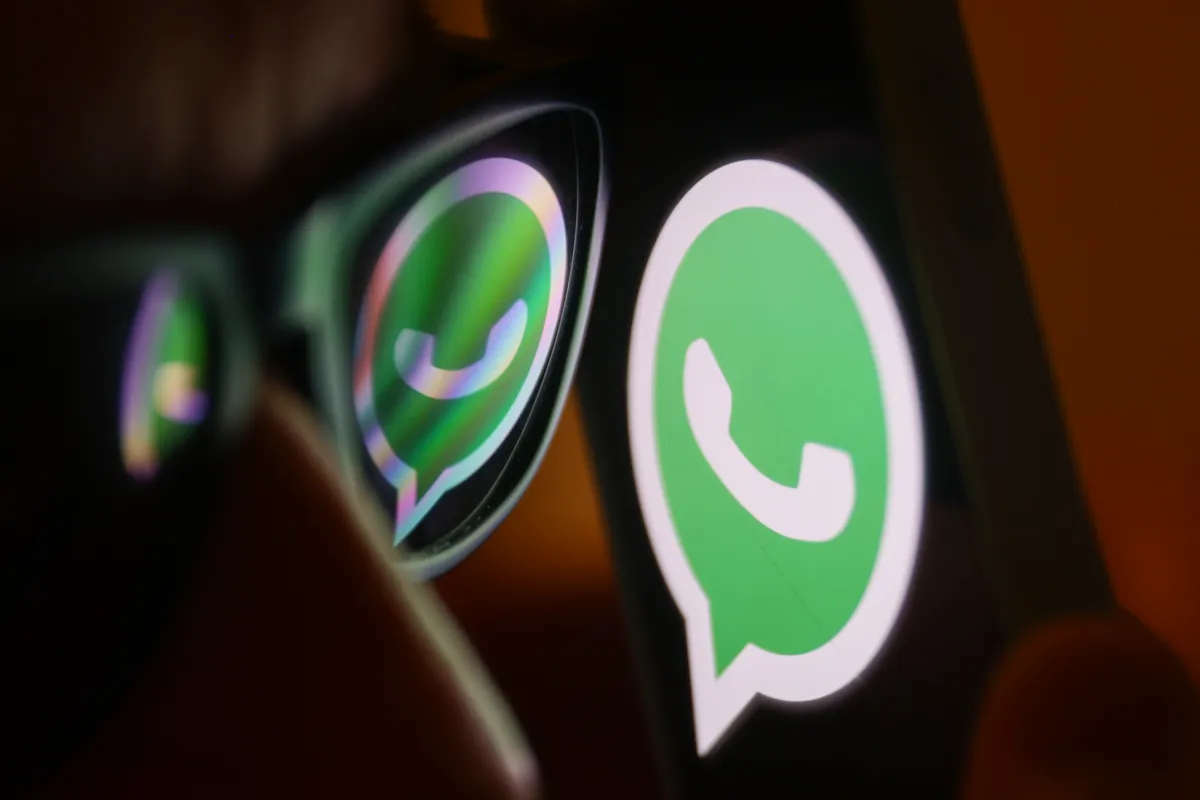
On Wednesday, Meta announced that it will implement a fee for developers utilizing chatbots on WhatsApp in regions where regulatory bodies require the company to permit such usage. This development follows the enforcement of a ban on third-party chatbots on WhatsApp, which took effect on January 15.
Initially, Meta will impose charges on developers in Italy, where the national competition authority requested a suspension of the company’s policy last December. The revised pricing for non-template responses is set to commence on February 16, with Meta intending to charge $0.0691 / €0.0572 / £0.0498 per message for AI-generated responses. This could lead to substantial expenses for developers if users engage in thousands of queries with AI chatbots daily.
Earlier this month, Meta issued notifications to developers, providing an exemption for Italian phone numbers, thereby enabling AI chatbots to cater to these customers. At that point, the company did not disclose any intentions to levy charges on developers.
Currently, WhatsApp charges businesses for utilizing its API for various template responses directed at customers, which cover applications such as marketing, utilities, and authentication. This includes critical messages such as payment reminders and shipping updates.
“Where we are legally mandated to accommodate AI chatbots through the WhatsApp Business API, we are introducing pricing for companies that opt to use our platform for these services,” a Meta spokesperson relayed to TechCrunch. This could establish a benchmark for other markets, should Meta be compelled to allow developers to operate their chatbots.
Meta initially declared in October that it would prohibit all third-party AI chatbots from employing WhatsApp via its WhatsApp Business API.
Meta clarified that its systems were not architected to handle responses from AI bots, which were beginning to overload their capacity.
Event
|
June 23, 2026
“The rise of AI chatbots on our Business API has stressed our systems beyond their design capabilities. This rationale mistakenly positions WhatsApp as a default app store. The proper market access channels for AI companies are the app stores, their websites, and industry collaborations; not the WhatsApp Business Platform,” the company stated at that time.
Since then, several regions, including the EU, Italy, and Brazil, have initiated antitrust investigations. Brazil’s regulatory body had initially requested that Meta halt the policy; however, a Brazilian court ruled in favor of Meta last week, overturning the preliminary order that blocked the new policy. Consequently, the company has advised developers against providing their AI chatbots to users in Brazil, according to TechCrunch.
With the implementation of this policy, developers are compelled to send a predefined message to WhatsApp users of their AI chatbots, directing them to visit their website or app. Providers such as OpenAI, Perplexity, and Microsoft announced last year that their WhatsApp bots would be non-operational after January 15, urging users to access their services through alternative platforms.