Core Analysis of Demis Hassabis’ Concerns
Demis Hassabis, the influential CEO of Google DeepMind and recent Nobel Prize recipient, has positioned himself as a critical voice in the ongoing dialogue surrounding the implications of advanced technologies. His primary concern revolves around the misuse of these technologies by malicious actors. In a world where the capabilities of advanced systems are rapidly expanding, Hassabis emphasizes the need for safeguards to prevent misuse while allowing responsible innovation to flourish. According to a report from the World Economic Forum, the potential for misuse of advanced technologies, particularly in the realm of autonomous systems, is a growing concern that has prompted calls for international regulatory frameworks.
Hassabis’s perspective aligns with a broader industry sentiment, as highlighted in a recent statement by the Future of Humanity Institute. The report underscores the challenges posed by the rapid advancement of technologies, suggesting that without a cohesive international strategy, the risks could outweigh the benefits. The dual challenge of enabling innovation while safeguarding against potential threats is at the forefront of the conversation, and Hassabis’s insights underscore the urgency of this discourse.
Second-Order Effects
While many observers focus on the immediate implications of AI technologies, it is crucial to consider the second-order effects that may arise from the concerns raised by Hassabis. One significant aspect is the potential for a technological divide that may emerge as advanced systems become increasingly accessible to both legitimate users and malicious actors. This divide could exacerbate existing inequalities in access to technology and knowledge, leading to an environment where only a select few can harness the full potential of these innovations.
Moreover, the concerns about misuse can trigger a wave of regulatory reactions that may stifle innovation across the board. As governments and organizations scramble to implement safeguards, there is a risk that overly stringent regulations could hinder the development of beneficial applications of technology. A report from McKinsey highlights that while regulation is necessary, it must be balanced with the need to foster innovation. The challenge will be finding that equilibrium, ensuring that safeguards are in place without curtailing creativity and advancement.
Data & Competition
The landscape of competition in the tech industry is rapidly evolving, with players like Google DeepMind and Anthropic leading the charge in AI development. However, the divergent views on the implications of AI technologies signal a broader divide within the industry. While Hassabis emphasizes the importance of responsible usage and international cooperation, Dario Amodei, CEO of Anthropic, paints a more dire picture, warning of significant job displacement in the coming years.
Amodei’s forecast, suggesting that AI could eliminate up to half of all entry-level white-collar jobs within five years, contrasts sharply with Hassabis’s vision of new opportunities arising from technological advancements. This divergence in perspective highlights the complexity of the issue, as various sectors prepare for the impending changes. In finance, for instance, a recent Bloomberg Intelligence report indicates that firms are already planning to reduce their workforce by 3% due to AI advancements, equating to approximately 200,000 jobs lost on Wall Street.
On the technology front, leaders like Meta’s Mark Zuckerberg and Google’s Sundar Pichai are increasingly relying on AI for coding tasks, with projections indicating that AI will generate a significant portion of new code in the near future. This shift raises questions about the future workforce and the skills that will be in demand, as professionals must adapt to an evolving landscape characterized by rapid technological change.
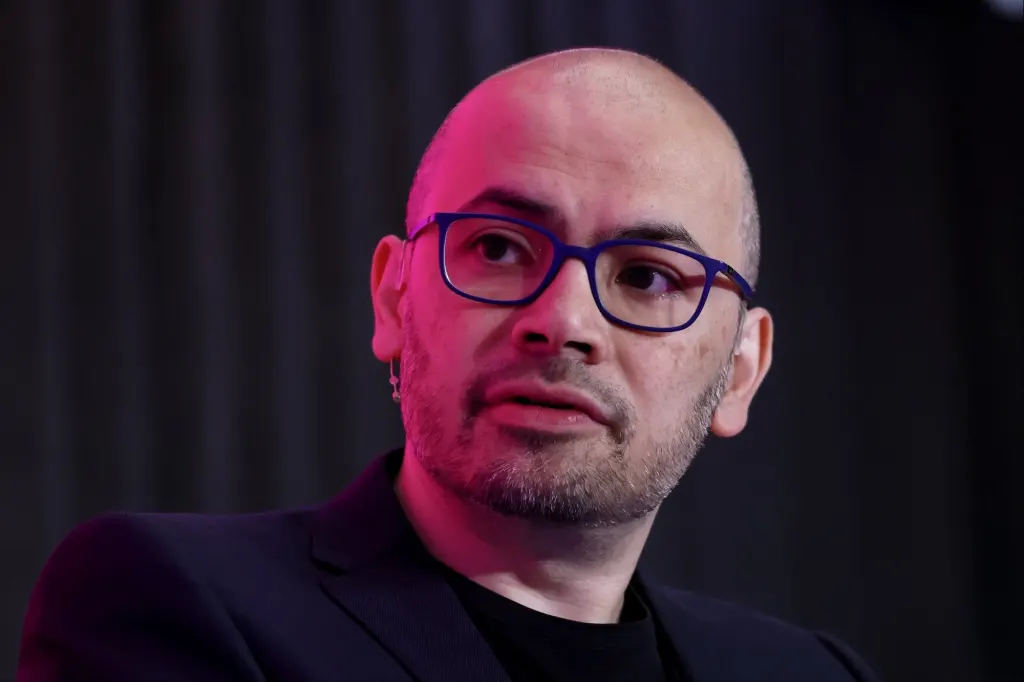
Why this visual matters: The image encapsulates the critical discussions surrounding the concerns raised by DeepMind CEO Demis Hassabis regarding AI misuse and the pressing need for governance frameworks. As the industry navigates these challenges, understanding the implications of AI misuse becomes paramount for shaping the future of technology.
Core Execution Protocol
Frequently Asked Questions
What are the main concerns raised by Demis Hassabis regarding AI?
Hassabis expresses concern about the misuse of AI technologies by malicious actors and the inadequacy of current safety frameworks to manage autonomous AI systems effectively.
How do industry leaders’ perspectives differ regarding the impact of AI on jobs?
While Hassabis believes that AI will lead to the creation of new and fulfilling jobs, Dario Amodei warns that AI could eliminate a significant number of entry-level white-collar jobs within a few years.
What challenges do regulatory frameworks face in the context of AI development?
Regulatory frameworks must balance the need for safety and oversight with the necessity of fostering innovation, which can be challenging as overly stringent regulations may hinder technological advancement.
Meet the Analyst
Marcus Vance, Tech Editor – Marcus is a seasoned technology analyst with over a decade of experience in the field, specializing in the intersection of innovation and governance. His insights aim to bridge the gap between technological advancements and societal implications.
Last Updated: March 2026 | HustleBotics Editorial Team