Pinterest’s Monetization Shift: A Game-Changer for Creators to Drive Revenue
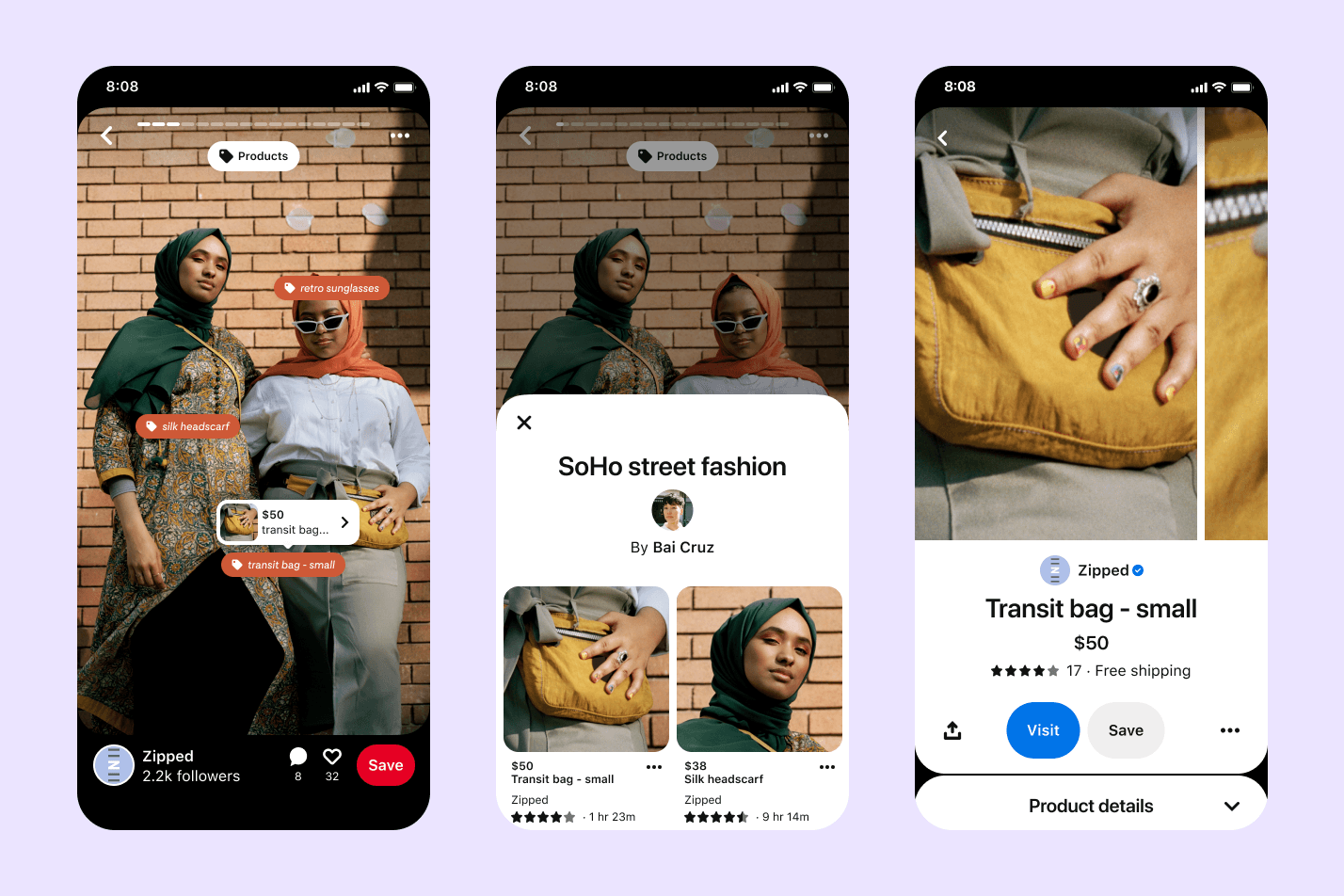
Definition: Pinterest is evolving how creators earn money through new features like product tagging, affiliate programs, and brand sponsorships in their Idea Pins.
🌐 CONTEXT & BACKGROUND
Pinterest, launched in 2010, became a visual discovery platform where users could curate and share images of inspiring content. Initially, it served primarily as a digital mood board for DIY enthusiasts, designers, and lifestyle buffs. The platform was designed to solve the problem of digital overcrowding, providing a space to collect ideas based on user interests without the noise of traditional social media. As Pinterest matured, it began to explore monetization avenues, recognizing that its unique offering positioned it perfectly within the influencer marketing landscape.
As the influencer marketing industry surged—from $1.7 billion in 2016 to a staggering $13.8 billion in 2021—the platform lagged in offering features that allowed creators to monetize effectively. Enter the rise of Idea Pins in May 2021: a revolutionary video-first format allowing creators to combine music, visuals, and interactive elements into a single post. This transformation marked the birth of a wealth opportunity for both Pinterest and its creators, turning digital inspiration directly into consumer engagement.
📊 MARKET IMPACT ANALYSIS
The introduction of monetization features has potential winners and losers in the mix. Winners include creators who can leverage these new tools to turn their inspiration into revenue streams. Brands eager to engage with their audience will find an eager, motivated set of creators aiming to showcase products alongside their inspirational content. Conversely, platforms like Instagram and TikTok, which have already established themselves in the creator economy, now face increased competition from Pinterest.
Key industries likely to be impacted include:
- E-commerce: By converting user interests and ideas into shoppable content, e-commerce businesses can expect increased engagement and sales.
- Advertising: Brands utilizing influencer marketing as a core strategy can hope for enhanced returns through Pinterest’s target audience.
- Content creation: Creators in lifestyle, DIY, food, and fashion verticals are set to gain the most traction, transforming them into valuable assets for brands.
Pinterest has positioned itself with financial leverage points through analytics that demonstrate consumer intent to purchase on their platform, which boasts a 20x increase in product searches by the end of 2020. Creators who are successful will serve as a catalyst for persuading audiences to convert from exploration to action.
⚔️ COMPETITIVE COMPARISON
When comparing Pinterest to its competitors in the creator monetization arena, it is evident that traditional leader Instagram offers direct shopping integrations that transition users seamlessly from discovering content to completing purchases. Pinterest’s new monetization tools—especially product tagging and brand sponsorships—are essential steps in catching up, but they still lack the finesse of other platforms. For example:
- Instagram: Offers a comprehensive shopping feature that includes in-app checkout, a simplified shopping experience, and powerful analytics tools for brands.
- TikTok: Facilitates shopping through viral content and has recently introduced shopping live streams, effectively transforming how products are showcased and sold.
- YouTube: Allows creators to monetize via ad revenue while also offering shopping links within their content at later stages, establishing long-term creator partnerships.
While Pinterest’s new features mirror some characteristics from these platforms, they must present a more cohesive pathway from inspiration to purchase to better compete.
🛠️ REAL-WORLD USE CASES & MONETIZATION
Entrepreneurs can capture immediate revenue potential through three specific workflow ideas:
- ⚡ Experiment with Idea Pins: Create engaging video content that showcases product usage, recipes, DIY projects, or lifestyle tips. Ensure that products are tagged, enabling immediate access to purchase paths for viewers.
- ⚡ Leverage Affiliate Marketing: By registering for affiliate programs through platforms such as Rakuten or ShopStyle, creators can integrate these links directly into their pins, thus earning commissions on conversion-driven traffic.
- ⚡ Establish Brand Partnerships: Actively pursue partnerships and collaborations with brands who resonate with the creator’s style and audience. Utilize the “Paid Partnership” feature to highlight these collaborations for increased authenticity and trust.
📈 DATA & TRENDS
As of 2023, investments in influencer marketing have continued to grow, alongside a growing trend of creator tools on different platforms:
- The influencer marketing industry valuation is projected to reach $16.4 billion by 2026, with Pinterest capturing an increasingly significant share.
- Pinterest’s mobile app alone saw a 20% increase in user engagement last year, showcasing the potential of shoppable content.
- Adoption of shoppable content is predicted to grow significantly, with an estimated 40% of all Pinterest users being active shoppers by 2026.
🧠 HUSTLEBOTICS EDITORIAL INSIGHT
Based on our strategic analysis at HustleBotics, the new features presented by Pinterest are not just incremental changes but a significant leap towards building a robust creator ecosystem. The collective experience from competing platforms coupled with the current user engagement metrics indicates Pinterest is on the verge of not just capturing attention but also driving revenue through creator partnerships.
🔮 FUTURE PREDICTIONS
Over the next six months, we anticipate increased adoption of Pinterest’s tools as creators experiment with monetization features. Social strategists will refine their approach, leading to higher engagement rates across the platform. In two years, the potential exists for Pinterest to become a leader in driven influencer shopping, but only if it can streamline the purchasing experience and solidify its position against formidable competitors.
This is not just a passing trend; it signals a permanent shift in how social media platforms will operate in orchestrating commerce within creative environments.
❓ SEO FAQ SECTION (SCHEMA READY)
What is Pinterest’s Idea Pins feature?
Idea Pins are a video-first content format on Pinterest that combines music, video, and interactive elements, allowing creators to share rich ideas with their audience.
How can creators monetize their content on Pinterest?
Creators can monetize on Pinterest through product tagging in Idea Pins, affiliate programs, and brand partnerships that enable them to earn commissions and showcase paid partnerships.
Can I increase my engagement on Pinterest?
Yes, by creating visually compelling and interactive Idea Pins that focus on inspiration and include product tags, creators can significantly increase their engagement metrics.
What industries are benefiting from Pinterest’s new monetization features?
E-commerce, advertising, and content creation, especially in lifestyle, food, and DIY industries, are set to reap the most substantial benefits from Pinterest’s new monetization tools.
How do I start using affiliate marketing on Pinterest?
To leverage affiliate marketing on Pinterest, creators must enroll in affiliate programs and then integrate their unique affiliate links into their Idea Pins and boards.
💡 Hustle Verdict
As Pinterest evolves into a powerful monetization tool for creators, brands and entrepreneurs must embrace this shift. The opportunity to turn ideas into actionable revenue streams is unprecedented, but it’s vital to adapt quickly. Leverage these new features today to stay ahead in the ever-competitive digital marketplace.