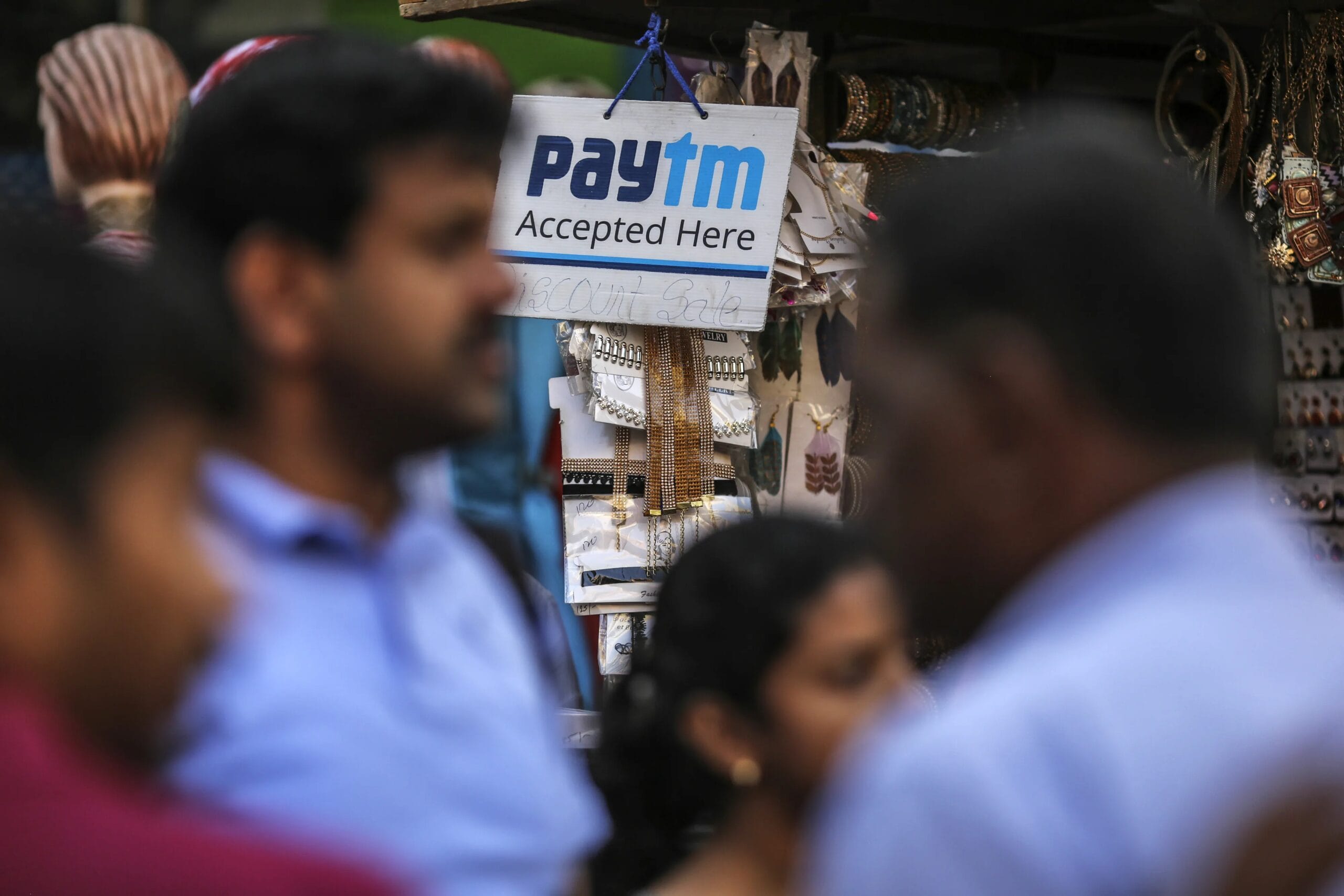
The Digital Payments Revolution: A Business Intelligence Report on India’s Payment Landscape
The digital payments landscape is evolving rapidly in India, fueled by the introduction of transformative technologies and a shift in consumer behavior. This report delves into the history, current market dynamics, and future predictions surrounding digital payments in India, providing you with actionable insights for leveraging the opportunities in this burgeoning sector.
🌐 CONTEXT & BACKGROUND
The digital payments market in India has undergone profound transformations, especially since late 2016 when the Indian government invalidated a significant portion of its paper currency. This shock to the cash-dominated economy sent millions into a frenzy to access cashless payment options. Companies like Paytm and MobiKwik emerged quickly, capitalizing on the high demand for instantaneous digital transactions.
Before the Unified Payments Interface (UPI) was introduced, digital payments in India were mediated by third-party apps, creating friction and confusion among consumers. The launch of UPI revolutionized this by allowing direct transactions between bank accounts. This shift not only helped in financial inclusion but also presented a significant wealth opportunity for investors and startups alike, setting the stage for a competitive fintech landscape.
📊 MARKET IMPACT ANALYSIS
In the current scenario, the winners are firms that adapt quickly to the changing landscape and provide multifaceted services. Traditional banks, payment processors, and fintech startups are transforming their business models to meet new consumer demands. However, companies that cling to outdated strategies risk being left behind.
Industry Disruption
Industries such as retail, financial services, and e-commerce are experiencing the most disruption. Every transaction now functions as a gateway to additional services such as lending, insurance, and investment opportunities. Financial leverage points, like offering subscription-based services or embedded financial products, are key to capturing long-term profitability.
⚔️ COMPETITIVE COMPARISON
Compared to legacy systems, UPI stands out because of its interoperability and low transaction costs. Leading apps like Google Pay and PhonePe are aggressively capturing market share, yet they lack a clear monetization path even with massive user bases. The competitive landscape, marked by tight margins and numerous players, is reminiscent of previous telecom phases where only a few led to profitability amidst many contenders.
Key Benchmark Comparisons:
- Transaction fees: UPI transactions were zero or minimal, while traditional systems charged higher fees.
- User experience: UPI simplifies the complex user journey, promoting faster adoption compared to earlier models.
- Market capture: UPI quickly attracted over 100 million users within its first three years.
🛠️ REAL-WORLD USE CASES & MONETIZATION
Entrepreneurs can seize immediate opportunities through the following workflows:
- Subscription-Based Payment Solutions: Set up a subscription service for merchants using payment terminals that come with built-in analytics. ⚡ Helps them manage cash flow effectively.
- Value-Added Financial Services: Launch lending or insurance products utilizing consumer payment behavior insights. ⚡ Tap into an underserved market eager for financial products.
- API Integration for E-Commerce: Use UPI’s API to facilitate seamless transactions for online platforms. ⚡ Capitalize on the growing e-commerce shift.
📈 DATA & TRENDS
As of 2023, estimates put India’s digital payments market at over $1 trillion, driven by rapid adoption of UPI and similar services. The market’s growth is projected at a CAGR of 20% through 2026.
Key trends to watch include:
- Increased investment in fintech startups, reaching $2.74 billion last year.
- Growing consumer shift towards faster, cashless transactions.
- Upcoming regulatory changes that may reshape revenue models for payment providers.
🧠 HUSTLEBOTICS EDITORIAL INSIGHT
Based on our strategic analysis at HustleBotics, the fusion of advanced intelligence systems and real-time buying behavior is paving the way for a new era in payment solutions. Entrepreneurs eager to innovate will find rich reward potential in analyzing consumer data and transforming traditional business models.
🔮 FUTURE PREDICTIONS
Within the next six months, we will likely see increased partnerships forming between fintech startups and traditional banks as both parties seek to enhance service offerings amid competitive pressures.
Two years from now, we predict a consolidation of payment platforms as companies struggle to remain profitable in a crowded market. This will lead to fewer competitors but more integrated ecosystems, making it easier for users to transact across multiple platforms.
This transformation appears to be a structural long-term shift rather than a short-term trend, as digital solutions become embedded into the fabric of everyday transactions.
❓ SEO FAQ SECTION (SCHEMA READY)
What is digital payments in India?
Digital payments in India refer to electronic transactions that allow consumers to pay for goods and services using online platforms, primarily through UPI and similar systems.
How to leverage UPI for business?
Businesses can integrate UPI for seamless transactions, allowing customers to pay directly from their bank accounts without intermediaries.
Can I make money with mobile wallets?
Yes, businesses can generate revenue by implementing subscription services, offering value-added financial products, and optimizing user acquisition strategies.
What are the challenges in India’s digital payments market?
Challenges include unclear monetization models, high competition, regulatory hurdles, and the need for robust cybersecurity measures.
How to stay competitive in the payment industry?
Continuous innovation, data-driven decision-making, and strategic partnerships are key to maintaining a competitive edge in the rapidly evolving payment landscape.
💡 Hustle Verdict
As the digital payments sector continues to evolve, businesses must pivot quickly to tap unexplored revenue streams. Focus on creating user-friendly, integrated payment solutions that enhance customer experiences for greater profitability. The time to act is now, as the landscape shifts and opportunities abound in this dynamic market.