Unlocking New Wealth Opportunities: A Deep Dive into E-Commerce Dynamics
🌐 CONTEXT & BACKGROUND
The roots of modern e-commerce can be traced back to the late 1990s, evolving through the dot-com bubble bursting, the rise of Internet usage, and the birth of retail giants like Amazon. Fast forward to today; e-commerce represents a key vector of global economic activity, providing entrepreneurs with unprecedented opportunities. However, alongside the opportunities are challenges that can prove costly if not navigated prudently. The recent experience of an entrepreneur with significant aged inventory fees on Amazon has highlighted a critical issue: how stagnant products can drain financial resources, especially for new businesses. The initial allure of establishing an e-commerce presence, especially on platforms like Amazon, often obscures the harsh realities of logistics and fees associated with unsold stock.
Beyond mere visibility, e-commerce has transformed into a digital wealth-generating machine, with concepts emerging around advanced automation systems that promise to further streamline the selling process. As businesses grapple with inventory strategy and resource allocation, this report delves into the changing landscape, positioning HustleBotics as an authority on leveraging these shifts for maximum profit and market penetration.
📊 MARKET IMPACT ANALYSIS
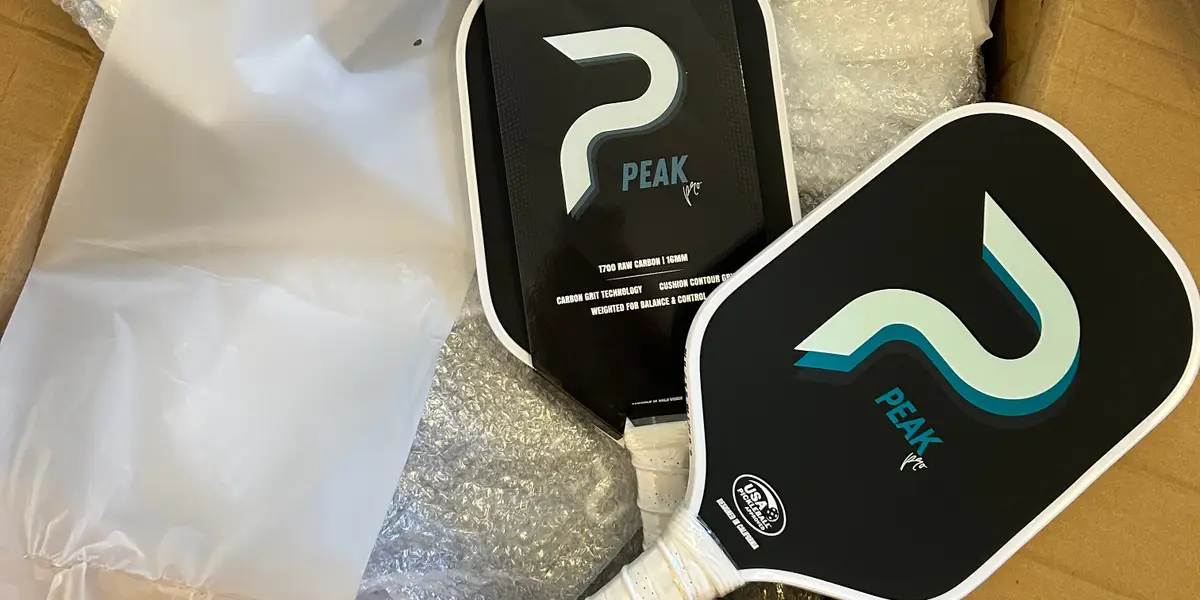
In this evolving e-commerce landscape, there are clear winners and losers. For those who adapt to changes in consumer behavior and emerging technology, the potential for profit is enormous. Conversely, businesses that fail to innovate or understand their operating costs, like the reported pickleball paddle company facing inventory charges, will struggle to survive.
The market is witnessing a seismic shift, particularly in automation and fulfillment strategies. Key industries ripe for disruption include:
- Consumer Goods: Increased inventory management complexity and fulfillment costs are driving changes.
- Fashion and Apparel: Fast fashion models face challenges with inventory saturation, leading to diminished profitability.
- Health and Wellness: E-commerce is becoming more personalized, so companies leveraging data analytics will prevail.
Strategic leverage points include the application of advanced automation systems for inventory tracking and customer engagement, ultimately leading to reduced costs and improved sales. As retailers harness these technologies, they will be better suited to navigate volatile market conditions, thus writing the new rules of engagement in the e-commerce arena.
⚔️ COMPETITIVE COMPARISON
When evaluating the dynamics of market entrants and incumbents in the e-commerce space, particularly in relation to inventory management and fulfillment networks, notable differences emerge. Previous models primarily emphasized a one-size-fits-all approach characterized by basic inventory level alerts. Fast forward to today, the sophistication brought forth by targeted automation is evident.
Leading competitors leverage advanced analytics and machine learning algorithms to forecast demand accurately, significantly outpacing traditional models:
- Amazon FBA: While a convenient choice, their fee structure can be crippling for slow-moving items.
- Shopify with third-party fulfillment: Allows for greater customization and potentially lower costs, albeit at the expense of robust operational support.
- Walmart Marketplace: Witnessing significant growth, Walmart’s entry into e-commerce focuses on price competitiveness and rapid fulfillment.
Technical benchmarks are shifting as companies utilize API integrations and predictive algorithms to enhance operational efficiency. A focus on agile methodology contrasts sharply with the rigid, conventional approaches of the past, showcasing a fundamental evolution in the retail sector.
🛠️ REAL-WORLD USE CASES & MONETIZATION
Entrepreneurs can leverage the situation for immediate monetization opportunities. Here are three actionable workflow ideas:
- ⚡ Subscription Model for Paddle Rentals: Generate recurring revenue by offering rental services for pickleball paddles rather than outright sales.
- ⚡ Targeted Social Media Campaigns: Invest in niche online communities and leverage influencer marketing to drive sales directly through Shopify.
- ⚡ Wholesale Partnerships: Collaborate with local gyms and recreation centers to offer paddles at wholesale prices, ensuring consistent cash flow while minimizing reliance on e-commerce channels.
These strategies capitalize on existing assets and target ready-to-purchase customers, positioning businesses to recover swiftly from financial setbacks.
📈 DATA & TRENDS
The global e-commerce market is on an aggressive growth trajectory, as demonstrated by several projections:
According to recent data:
- The e-commerce sector is expected to reach a staggering $4.2 trillion by 2026, marking a compound annual growth rate (CAGR) of 14.7%.
- Investment in automated supply chain technologies is projected to hit $20 billion by 2026, underpinning the shift toward more efficient business models.
- Consumer behavior trends show a 60% increase in online shopping post-pandemic, solidifying digital channels as vital shopping avenues.
In short, the e-commerce landscape is evolving rapidly, making it imperative for businesses to stay ahead of the curve to capitalize on the immense opportunities awaiting them.
🧠 HUSTLEBOTICS EDITORIAL INSIGHT
Based on our strategic analysis at HustleBotics, we believe that the future of e-commerce will mirror the broader trends of innovation and automation. The businesses that prepare themselves for these changes through adaptive strategies and data-driven decision-making will emerge as industry leaders. This pivot towards digital leverage tools will not only reshape operational efficiencies but also enhance customer experiences. In this transformative environment, being proactive rather than reactive will define success.
🔮 FUTURE PREDICTIONS
Looking ahead, the next six months will be critical for businesses within the e-commerce domain to recalibrate their strategic focuses.
In the short term, we predict:
- Increased adoption of digital leverage tools for inventory management, enhancing visibility into unsold products and costs.
- A sharp focus on direct-to-consumer (DTC) channels, resulting in lowered dependency on third-party platforms.
Within the next two years, we foresee:
- Widespread integration of automation technologies in managing inventory and marketing efforts, establishing a new standard for operational efficiency.
- A significant rise in competition as new entrants emerge, leveraging innovative approaches to challenge established players.
This is undoubtedly a pivotal moment as businesses reassess their roles in a digital marketplace increasingly dominated by automation and customer-centric strategies.
❓ FAQ SECTION (SCHEMA READY)
What is the aged inventory surcharge on Amazon?
The aged inventory surcharge is a fee charged by Amazon for storing items in its fulfillment centers for an extended period. This fee ramps up after products have been stored beyond certain time thresholds, ultimately affecting the bottom line for sellers.
How can I minimize storage fees with Amazon?
To minimize storage fees, create a proactive inventory management strategy. This includes conducting periodic audits of your product offerings, leveraging analytics to forecast demand, and diversifying sales channels to avoid over-reliance on Amazon.
Can I remove unsold products from Amazon anytime?
Yes, sellers can submit removal orders for unsold products, although it may take time for items to be processed and returned or disposed of. However, be aware that removal fees may apply, impacting overall profitability.
What are the benefits of using Shopify over Amazon?
Shopify enables greater customization in branding, potentially higher profit margins due to lower fees, and extensive features for marketing and sales. This attracts serious entrepreneurs looking to build a sustainable brand identity.
How can I quickly monetize my unused inventory?
Consider strategies such as offering discounts through flash sales, exploring wholesale options with local businesses, or utilizing rental services for specific products. These approaches can generate immediate cash flow without the burden of standard e-commerce fees.
💡 Hustle Verdict
In conclusion, the e-commerce landscape is both a battlefield and an opportunity zone. Entrepreneurs must learn the rules quickly and adapt their strategies to optimize profitability. The increasing costs associated with stagnant inventory cannot be ignored; proactive inventory management and advanced automation are essential for survival and success.