Core Analysis: The Evolving Landscape of CEO Responsibilities
Dustin Moskovitz’s decision to step down from his role as CEO of Asana is emblematic of a broader trend among leaders in high-pressure environments. According to a recent report by the Harvard Business Review, nearly 50% of CEOs express dissatisfaction with their roles due to the overwhelming pressures and responsibilities that accompany the position. Moskovitz’s candid remarks during his interview with Stratechery echo this sentiment, revealing a disconnect between the idealized vision of a CEO and the reality of the job. His statement, “I don’t enjoy managing teams, and that wasn’t my initial vision when we launched Asana,” highlights a growing awareness that not all individuals are suited for the traditional CEO role, which often requires a unique blend of interpersonal skills and strategic foresight.
Moreover, a study conducted by McKinsey & Company indicates that the external environment has become increasingly unpredictable, with factors such as political instability, global pandemics, and social justice movements adding layers of complexity to leadership. Moskovitz himself noted how these external pressures made his role more challenging, stating, “Initially, I thought the role would become easier as the company matured, but then the external environment just grew more unpredictable.” This shift in the landscape necessitates a reevaluation of leadership styles, where empathy and adaptability may become more critical than traditional command-and-control methods.
As Moskovitz moves to the position of board chairman, his experiences reflect a shift in leadership dynamics, where the role of the CEO may evolve to prioritize collaboration and innovation over hierarchical control. This transition could pave the way for a new breed of leaders who are better equipped to navigate the complexities of modern business, aligning more closely with the evolving expectations of stakeholders.
Second-Order Effects: What Most People Miss
The resignation of a high-profile CEO like Moskovitz is not merely a personal decision; it signals potential second-order effects that could reshape the corporate landscape. One of the most pressing implications is the potential for increased turnover among CEOs as more leaders recognize the challenges associated with the role. With burnout becoming a common theme, companies may need to reconsider their succession planning and leadership development strategies.
Additionally, as Moskovitz and others like Steve Kaufer (former CEO of TripAdvisor) express their relief at stepping down from demanding roles, a cultural shift may occur that values mental health and well-being over traditional success metrics. This shift could lead to organizations prioritizing leaders who demonstrate emotional intelligence and a collaborative mindset, ultimately fostering a more supportive work environment.
Moreover, the acknowledgment of the exhausting nature of CEO roles may encourage companies to implement more robust support systems for their leaders. This could include mentorship programs, wellness initiatives, and a focus on work-life balance, all aimed at mitigating the stressors associated with executive leadership. As organizations adapt, we may witness a transformation in corporate culture that champions a more holistic approach to leadership.
Data & Competition: Winners and Losers in the CEO Landscape
The current landscape of CEO turnover presents both winners and losers. Companies that embrace a more flexible approach to leadership are likely to benefit from improved employee morale and retention rates. For instance, organizations that prioritize collaboration and innovation are poised to attract talent who seek supportive environments, as evidenced by recent surveys indicating that job seekers are increasingly valuing company culture and mental well-being over traditional compensation packages.
Conversely, companies that maintain rigid hierarchies may find themselves at a disadvantage as the demand for empathetic and adaptive leaders grows. Firms that fail to acknowledge the evolving expectations of leadership may face increased turnover rates and challenges in attracting top talent. The recent experiences of Moskovitz, Kaufer, and others serve as cautionary tales for organizations that cling to outdated leadership paradigms.
As the corporate world shifts, the emphasis on innovation and collaboration may lead to the emergence of new leadership models that prioritize team dynamics and collective decision-making. This evolution may ultimately redefine what it means to be a successful leader in today’s business landscape.
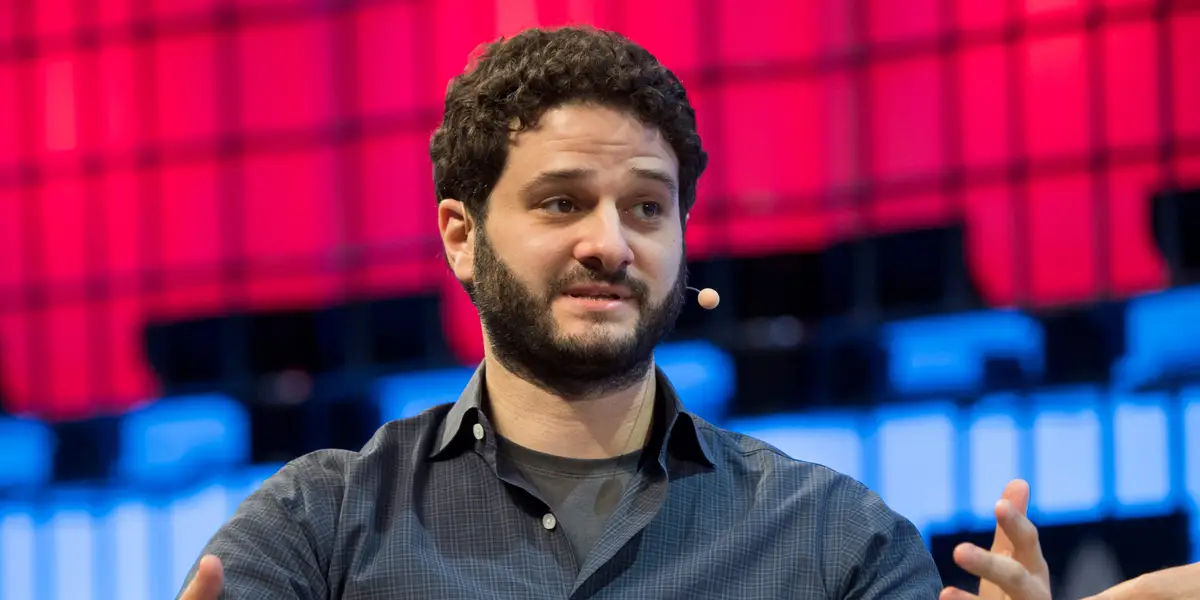
Why this visual matters: This image encapsulates the challenges and transformative shifts in CEO roles, reflecting the evolving landscape of leadership that emphasizes empathy and adaptability. Understanding the complexities of CEO life is crucial for organizations aiming to cultivate effective leadership strategies.
Frequently Asked Questions
What prompted Dustin Moskovitz to step down as CEO?
Dustin Moskovitz stepped down from his role as CEO of Asana due to the exhausting nature of the position, which he admitted did not align with his strengths and preferences for independent work.
How does CEO turnover impact organizations?
High CEO turnover can lead to instability within organizations, affecting employee morale and overall performance. Companies that prioritize leadership development and support systems are more likely to retain talent and foster a positive work environment.
What are the emerging trends in leadership styles?
Emerging trends in leadership styles include a shift towards collaboration, empathy, and adaptability, as leaders recognize the need to navigate complex external environments and prioritize team dynamics over traditional command-and-control methods.
What can companies do to support their CEOs?
Companies can support their CEOs by implementing mentorship programs, wellness initiatives, and promoting work-life balance, all aimed at reducing the stressors associated with executive leadership.
Meet the Analyst
Marcus Vance, Tech Editor – Marcus has over a decade of experience analyzing trends in technology and leadership. His insights focus on the intersection of innovation and corporate culture, helping organizations adapt to the evolving business landscape.
Last Updated: March 2026 | HustleBotics Editorial Team