Core Analysis: The Valkyries’ Blueprint for Success
The Golden State Valkyries have captured attention not just for their on-court performance, but for their remarkable ability to build a loyal fanbase even before their inaugural game. With 15,000 season tickets sold prior to selecting their first player, the franchise has set an industry benchmark. As Jess Smith, the team’s president, noted, “This fanbase behaves as though we’ve been part of the community for 30 years.” This statement underscores a significant cultural shift in the WNBA, where franchises are increasingly viewed as integral parts of their communities.
Industry reports suggest that the WNBA is experiencing unprecedented growth. Following a landmark 11-year media rights agreement worth approximately $2.2 billion with major players like Disney and Amazon Prime Video, the league is poised for sustained profitability and visibility. The Valkyries exemplify this trend, having become the first expansion team to reach the playoffs in their debut season while shattering the previous record for wins by a first-year team.
According to a report by Sportico, the Valkyries are currently valued at $500 million, making them the most valuable team in the WNBA. This valuation is not a mere coincidence; it is the result of strategic planning that included hiring exceptional talent, developing a strong brand identity, forming strategic partnerships, and benefiting from committed ownership. These factors collectively create a case study in successful franchise establishment that other aspiring teams can learn from.
Second-Order Effects: What Most People Miss
While the immediate success of the Valkyries is commendable, the second-order effects of their rise warrant deeper analysis. One of the most significant implications is the potential for a ripple effect throughout the league and beyond. The Valkyries’ success may inspire existing teams to reevaluate their branding and community engagement strategies. For instance, as Smith pointed out, the Valkyries have intentionally crafted their brand identity from the ground up, drawing on Norse mythology to symbolize strength and resilience. This approach could encourage other franchises to adopt similar methods, fostering a new wave of branding that resonates with fans on a cultural level.
Moreover, the Valkyries’ success could catalyze an influx of investment in women’s sports. As the league continues to grow, stakeholders may find it increasingly attractive to invest in teams that prioritize community and fan engagement. This could lead to enhanced marketing strategies that focus on authenticity and local connections, as seen in the Valkyries’ partnerships with local businesses and major brands like Sephora.
Additionally, the Valkyries’ achievement in merchandise sales—ranking second only to the Indiana Fever—highlights another layer of potential growth for franchises in women’s sports. The focus on creating a fan-centric product, as emphasized by Smith, could lead to increased merchandise sales across the league, further bolstering team revenues.
Data & Competition: Winners and Losers
Analyzing the competitive landscape reveals both winners and losers in the wake of the Valkyries’ success. The immediate winners include the Valkyries themselves, who have not only achieved a remarkable market valuation but have also set a precedent for fan engagement and community involvement. Their strategic hiring of Jess Smith, who has a proven track record in building successful franchises, has clearly paid off.
On the other hand, teams that have lagged in adapting to modern marketing strategies may find themselves at a disadvantage. For instance, franchises that have historically relied on traditional marketing methods may struggle to engage the increasingly discerning fanbase that seeks authenticity and community connection. The contrast between the Valkyries and such teams highlights the necessity for adaptability in the current sports landscape.
Moreover, the Valkyries’ strategic partnerships with brands like JPMorgan Chase and Sephora demonstrate the importance of aligning with companies that share similar values. Teams that fail to cultivate such relationships may miss out on valuable sponsorship opportunities that could enhance their brand visibility and community impact.
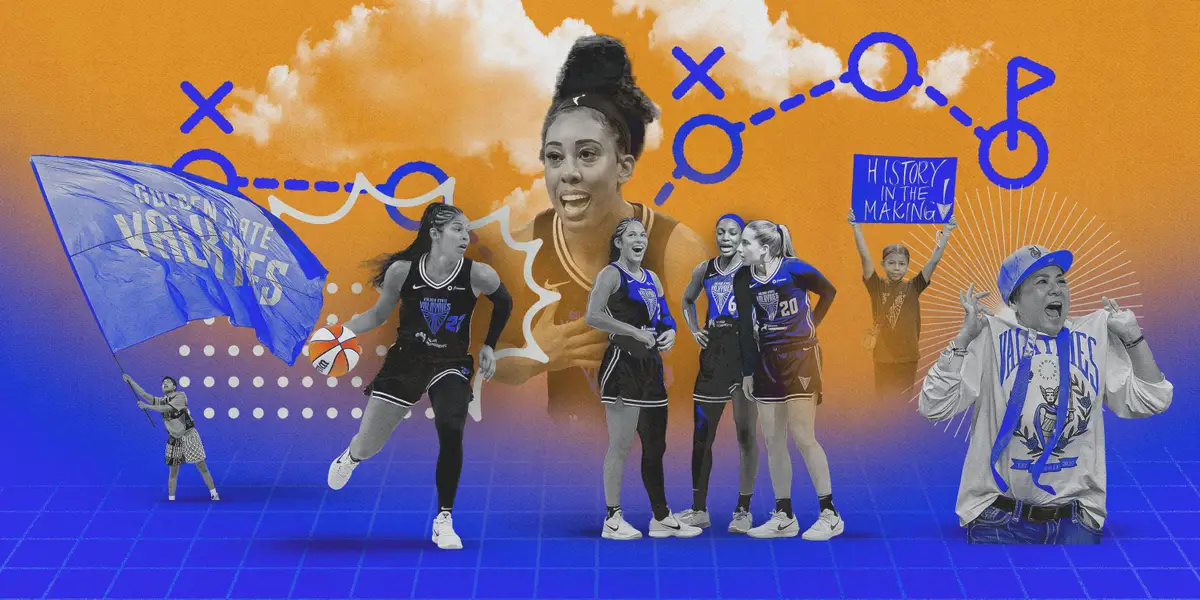
Why this visual matters: This image encapsulates the Golden State Valkyries’ success and strategic initiatives, highlighting their expansion strategy and community engagement efforts that have redefined women’s sports marketing.
Core Execution Protocol
Core Execution Protocol
Embrace community engagement and authenticity in your branding efforts to replicate the Valkyries’ success in your franchise.
Frequently Asked Questions
What strategies did the Valkyries use to build their fanbase?
The Valkyries focused on community engagement, creating a strong brand identity, and ensuring authenticity in their messaging, which resonated with fans and fostered loyalty.
How have the Valkyries impacted the WNBA as a whole?
The Valkyries’ success has set a new standard for expansion teams, demonstrating effective marketing strategies and community involvement that could influence the league’s growth and investment landscape.
What role does ownership play in a franchise’s success?
Ownership that prioritizes a clear vision and invests in necessary resources is crucial for a franchise’s success, as seen in the Valkyries’ commitment from their ownership group.
How can other teams replicate the Valkyries’ approach?
Other teams can adopt similar strategies by focusing on community connections, authentic branding, and forming strategic partnerships to enhance their market presence.
Meet the Analyst
Marcus Vance, Tech Editor, has spent over a decade analyzing trends in sports marketing and community engagement. His insights provide a unique perspective on the evolving landscape of women’s sports.
Last Updated: March 2026 | HustleBotics Editorial Team