
Unlocking Ramadan’s Opportunities: A Strategic Perspective
The beginning of Ramadan offers a remarkable opportunity for businesses aiming to connect with Muslim communities. However, the varying dates of observance pose a significant challenge, as brands that fail to recognize these discrepancies risk losing market share. Recent reports from the Muslim Council of Britain indicate that the lack of consensus on Ramadan’s start leads to operational challenges for businesses targeting the community. A study from the Pew Research Center further underscores this point, revealing that Muslims in the UK often prefer localized observance methods, diverging from traditional practices centered around Saudi Arabia’s moon sightings.
Understanding Ramadan’s Timing Variance
Ramadan, the ninth month of the Islamic lunar calendar, is determined by the sighting of the crescent moon. This traditional practice introduces complications, especially for Muslims in the UK, where the official declaration from Saudi Arabia may not align with local observations. While Saudi Arabia’s announcement is widely recognized, differences in moon sighting methods create a divide within the UK itself, resulting in varied observance dates. This schism can lead to frustration for businesses seeking to engage effectively with the Muslim community.
The Influential Role of Moon Sighting
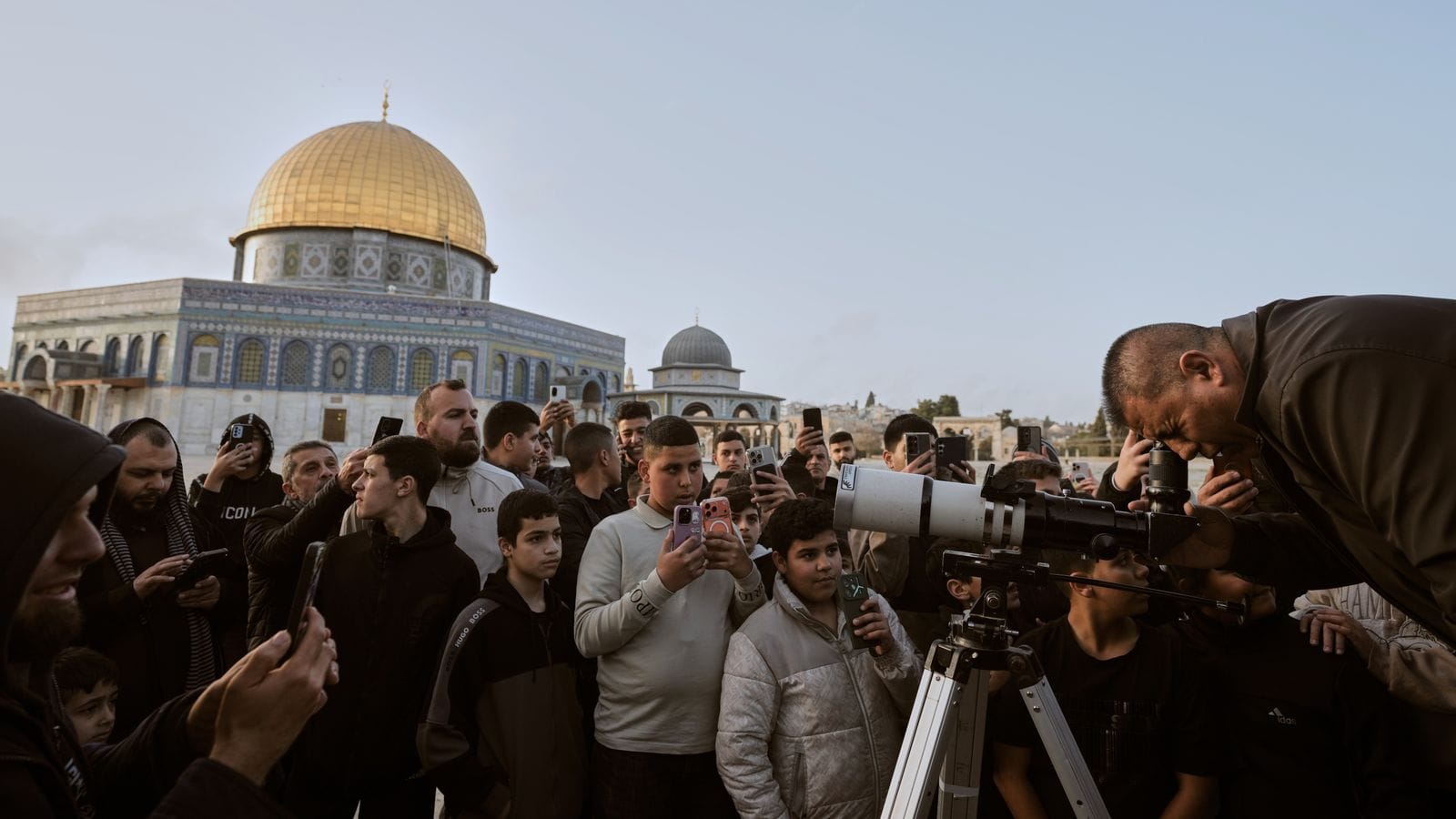
Dr. Wajid Akhter, Secretary General of the Muslim Council of Britain, emphasizes the lack of consensus on when Ramadan begins. Some communities rely on sightings from Mecca, while others look to neighboring countries like Turkey and Morocco. This division results in split observance dates, complicating marketing strategies for brands aiming to connect with their audience. Businesses must navigate these complexities to ensure they resonate with their target market.
Institutional Challenges
The process of moon sighting is conducted at the Tabuk Observatory in Saudi Arabia, a facility designated for tracking the lunar cycle. However, reports indicate that the crescent moon’s visibility is often unreliable and varies based on geographical location, further complicating the establishment of a unified starting date. For instance, while Saudi Arabia confirmed Ramadan’s start on February 18, some countries like Australia and France observed it a day later, igniting tension and confusion within the Muslim community.
A Need for Unified Observance
Dr. Akhter argues that the diverse UK Muslim community demands a more cohesive approach to Ramadan observance. The differences stem from generational habits where past reliance on external countries shapes current practices. The Muslim Council of Britain is advocating for independent moon sightings, allowing local determination of Ramadan and Eid dates. Imad Ahmed from the New Crescent Society reinforces this sentiment, stating that leveraging local capabilities would enable UK Muslims to control their observance directly, eliminating discrepancies with other regions.
The Relevance of the Crescent Moon
The ritualistic significance of the crescent moon during Ramadan cannot be overstated. A month in the Islamic calendar can last either 29 or 30 days based on lunar observations. If the moon is sighted on the 29th day, the following month begins; if not, the period is rounded up to 30 days. The communal aspect of moon sighting encourages unity among Muslims, as they collectively gaze towards the sky, hoping to witness the crescent. This presents a unique intersection of community engagement and marketplace activation.
What This Means for Operators
Businesses must recognize the complexities and cultural significance surrounding Ramadan observance. Understanding the divergent starting dates allows for tailored marketing strategies that resonate with specific audience segments, ultimately fostering loyalty and engagement. A recent analysis from the International Journal of Business and Management highlights that businesses that adapt their strategies to cultural observances can increase customer loyalty by up to 30%.
Data & Competition
As brands navigate the landscape of Ramadan observance, understanding the competitive dynamics is crucial. Companies that successfully engage with the Muslim community during this period stand to benefit significantly. For instance, a recent report from Nielsen indicates that Muslim consumers in the UK are increasingly seeking brands that align with their values and cultural practices, presenting a lucrative market for those willing to adapt.
Some brands have already begun to capitalize on this opportunity by launching localized campaigns that cater to the unique needs of the community. For example, companies that partner with local mosques for community insights and celebrations can build authentic connections that foster long-term loyalty. Meanwhile, brands that fail to recognize the importance of cultural sensitivity may find themselves on the losing end of this competitive landscape.
Why this visual matters: Understanding Ramadan marketing insights is essential for effective Muslim community engagement. By leveraging these insights, brands can create targeted campaigns that resonate with the cultural significance of Ramadan.
Strategic Deployment Logic
Strategic Deployment Logic
Engage UK Muslims by launching localized Ramadan marketing campaigns before the varying start dates.
Frequently Asked Questions
What are the primary challenges businesses face during Ramadan?
Businesses often struggle with the varying observance dates and cultural nuances that affect marketing strategies. Understanding these complexities is crucial for effective engagement.
How can companies effectively engage with the Muslim community during Ramadan?
Companies can engage by launching targeted marketing campaigns, establishing partnerships with local mosques, and creating exclusive product offerings that resonate with the community’s values.
What is the significance of the crescent moon in Ramadan?
The crescent moon marks the beginning of Ramadan and holds cultural and religious significance for Muslims, symbolizing unity and community engagement during this holy month.
Meet the Analyst
Marcus Vance
Marcus Vance is a seasoned market analyst with over a decade of experience in consumer behavior trends. He specializes in cultural marketing strategies and their impact on business growth.
Last Updated: March 2026 | HustleBotics Editorial Team