Unlocking Profits: The Blueprint for Disrupting Enterprise Operations
The shift towards an innovative approach in enterprise operations is becoming increasingly clear. As organizations navigate the complexities of digital transformation, Human Resources (HR) emerges as a vital sector for harnessing technology’s capabilities. A report by McKinsey & Company indicates that companies prioritizing HR automation can see productivity improvements of up to 25%. This not only highlights a significant opportunity for operational efficiency but also underscores the potential for a complete transformation within the enterprise landscape.
HR automation is gaining traction as organizations aim to optimize workflows. With structured data from HR processes being prime candidates for transformation, leading enterprises are prioritizing dependable systems to manage workforce data. According to a recent Gartner study, 70% of organizations are expected to adopt some form of HR technology by 2025, emphasizing the urgency and necessity for businesses to innovate internally rather than rely solely on external disruptions.
Internal transformations are recognized as more feasible than customer-facing innovations. This perspective is reinforced by a report from Deloitte, which states that organizations that implement strategic internal automation can expect a 30% reduction in administrative costs. Therefore, the focus on optimizing HR processes not only facilitates smoother operations but also enhances overall organizational performance.
Second-Order Effects
As we examine the broader implications of these shifts in HR automation, several second-order effects emerge. The most immediate effect is the potential for a cultural shift within organizations. As HR departments evolve into innovation hubs, they will likely foster a culture of continuous improvement and adaptability. This cultural shift can lead to higher employee engagement and retention, as teams feel more empowered to contribute to innovative processes.
Moreover, organizations that successfully implement HR automation may set a precedent for other departments. If HR can streamline processes and enhance compliance, finance and procurement departments may follow suit, leading to a domino effect across the organization. This multi-departmental transformation can create a more agile and responsive business model, ultimately enabling companies to better navigate market changes and demands.
Additionally, the reliance on structured data in HR processes can lead to improved decision-making across the board. With enhanced analytics capabilities, organizations can glean insights from workforce data, leading to more informed strategic decisions. This shift may also encourage companies to invest in data governance frameworks, ensuring that data privacy and compliance are prioritized alongside innovation.
Finally, as HR automation becomes more prevalent, organizations may face challenges related to workforce displacement. While automation can enhance efficiency, it may also raise concerns about job security among employees. The key will be to strike a balance—ensuring that while processes are automated, the human element remains central. Continuous human oversight will be essential to maintain a connection between technology and employee engagement, ultimately leading to a more cohesive workplace environment.
Data & Competition
In the rapidly evolving landscape of HR automation, the competition is fierce. Market leaders like Workday and SAP SuccessFactors are making significant strides in refining their platforms, offering comprehensive solutions that integrate advanced analytics and workflow automation. These companies are setting the standard for what effective HR technology should encompass, pushing other players in the market to innovate or risk falling behind.
Workday’s recent enhancements to its platform include features such as predictive analytics and AI-driven insights, which have proven instrumental in optimizing talent management and workforce planning. This shift not only positions Workday as a frontrunner in the HR tech space but also highlights the competitive necessity for other platforms to adopt similar capabilities to stay relevant.
Conversely, smaller players like Gusto and BambooHR are carving out niche markets by focusing on user experience and affordability. These platforms cater primarily to small and medium-sized enterprises (SMEs), providing accessible HR solutions that emphasize ease of use and rapid deployment. This differentiation allows them to compete effectively against larger, more established companies while addressing the unique needs of their target market.
The market impact of these developments is substantial. Organizations adopting comprehensive HR solutions can expect significant ROI, as evidenced by a report from the Harvard Business Review, which found that companies utilizing advanced HR technologies reported a 20% increase in employee productivity. This emphasizes the need for enterprises to invest in robust HR platforms that not only automate processes but also enhance overall workforce engagement and performance.
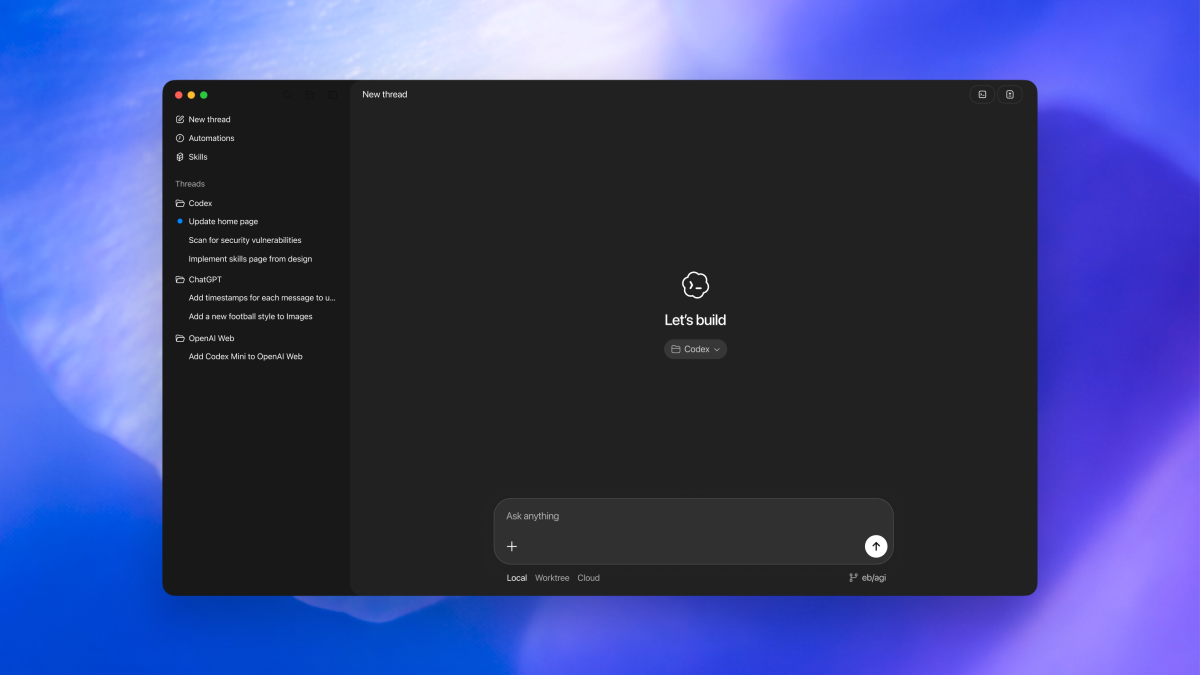
Why this visual matters: This visual illustrates the impact of HR automation on enterprise innovation, highlighting the critical role that structured data plays in transforming operational efficiency. Understanding the interplay between HR automation and enterprise innovation is essential for businesses aiming to thrive in the competitive landscape.
As organizations assess their technology strategies, it becomes clear that HR departments will remain at the forefront of innovation. The structured nature of HR workflows provides an ideal landscape for automation while also preserving critical human oversight—setting a precedent for other functions to follow suit. With the right technology in place, companies can enhance their operational efficiency and position themselves as leaders in the future landscape of their industries.
Frequently Asked Questions
What are the primary benefits of HR automation?
HR automation streamlines administrative processes, enhances productivity, and improves compliance. By automating repetitive tasks, HR professionals can focus on strategic initiatives, ultimately leading to a more engaged workforce.
How can companies measure the ROI of HR technology investments?
Organizations can measure ROI by tracking key performance indicators such as employee productivity, turnover rates, and administrative cost reductions. Analyzing these metrics before and after implementation can provide valuable insights into the effectiveness of HR technologies.
What challenges might organizations face when implementing HR automation?
Challenges may include employee resistance to change, data privacy concerns, and the need for continuous human oversight. Organizations must address these issues proactively to ensure a smooth transition and maintain employee trust.
How does HR automation impact company culture?
HR automation can foster a culture of innovation and continuous improvement by empowering employees to engage in strategic initiatives rather than routine tasks. However, companies must balance automation with human interaction to preserve a positive workplace culture.
Meet the Analyst
Marcus Vance, Tech Editor
Marcus is a seasoned technology analyst with over a decade of experience in evaluating enterprise solutions and their impact on workforce dynamics. His insights help businesses navigate the complexities of digital transformation.
Last Updated: March 2026 | HustleBotics Editorial Team