Market Shift Analysis: The Emergence of Lotus Health
Lotus Health has recently made headlines by securing $35 million in funding to launch an innovative, free 24/7 primary care service. This service promises to leverage cutting-edge technology to diagnose, prescribe, and refer patients, effectively transforming the landscape of healthcare accessibility. According to a report by the Health Innovation Institute, the demand for accessible healthcare solutions is projected to grow by 30% annually, driven by an increasing patient population and a desire for more efficient care.
The strategic overview of Lotus Health reveals that their model is not merely a temporary trend but rather a fundamental shift in how healthcare is delivered. By eliminating administrative bottlenecks and providing services in 50 languages, they are positioning themselves to cater to a diverse and underserved population. This approach aligns with findings from a recent McKinsey report, which suggests that companies offering free or low-cost healthcare solutions will capture a significant market share as traditional providers struggle to adapt.
The mechanics of Lotus Health’s operation are equally compelling. Their reliance on board-certified physicians from esteemed institutions like Stanford and Harvard ensures that, despite the service being free, the standard of care remains exceptionally high. This unique blend of accessibility and quality is likely to set a new benchmark in patient care, compelling traditional healthcare providers to rethink their service delivery models.
As this service rolls out across all 50 states, the implications for the healthcare sector are profound. Traditional providers face the urgent need to pivot quickly or risk obsolescence. The operational efficiency and cost-saving potential of Lotus Health’s model could lead to a significant reduction in overall healthcare expenses, ultimately enhancing productivity within the medical field.
Second-Order Effects: The Ripple of Disruption
While the immediate impact of Lotus Health’s free primary care service is evident, the second-order effects are equally noteworthy. One major consequence of this disruption is the potential for traditional healthcare providers to either innovate or consolidate. As patients flock to more accessible options, healthcare systems may find themselves compelled to merge or acquire smaller practices to maintain competitive viability.
Moreover, the introduction of free healthcare services may lead to a reevaluation of insurance models. As patients become accustomed to receiving care without a financial burden, there may be a shift in expectations regarding insurance coverage and out-of-pocket expenses. This could result in a decline in the demand for traditional insurance products, prompting insurers to innovate their offerings to remain relevant.
Additionally, the rise of platforms like Moltbook—a social network influenced by AI agents—illustrates the broader transformation of user interaction models. As healthcare becomes increasingly digital, the integration of social networking elements into health tech could foster new avenues for patient engagement and community building. This interconnectedness may encourage a more proactive approach to individual health management, further challenging traditional healthcare paradigms.
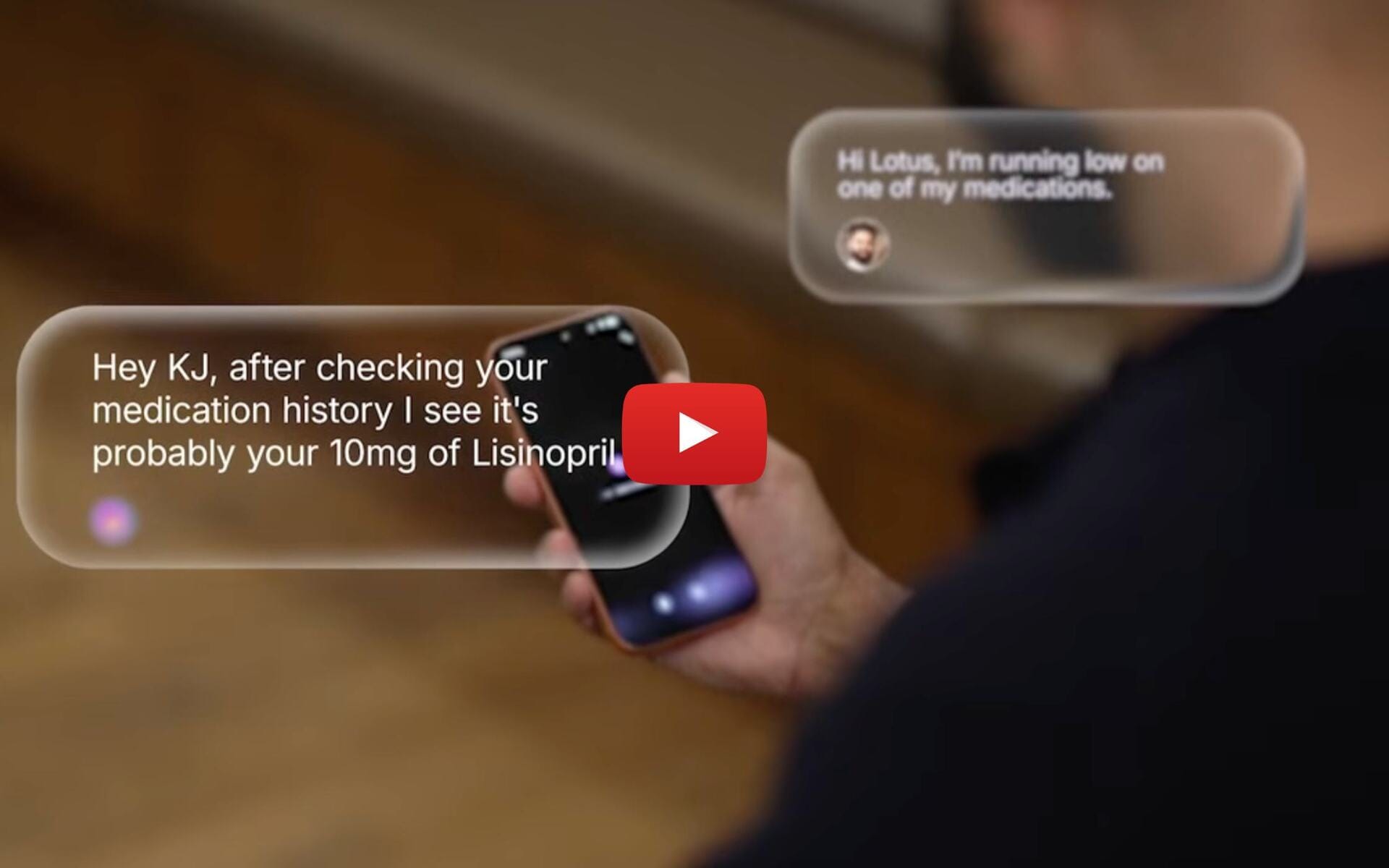
Why this visual matters: The image encapsulates Lotus Health’s disruptive approach to healthcare delivery, highlighting its innovative solutions that address the growing demand for accessible healthcare services. This visual representation reinforces the significance of transformative healthcare solutions in shaping future market dynamics.
Winners, Losers, and Market Impact
As the healthcare landscape shifts with the introduction of Lotus Health, the implications for various stakeholders become apparent. On one hand, Lotus Health positions itself as a clear winner, capitalizing on the growing demand for accessible healthcare. Their ability to leverage technology for efficiency and patient engagement sets them apart from traditional providers who may struggle to keep pace.
Conversely, traditional healthcare providers who fail to adapt to this new model risk becoming the losers in this market evolution. A recent report by the Healthcare Disruption Institute indicates that healthcare organizations that do not incorporate digital solutions will see a decline in patient engagement and satisfaction, ultimately affecting their bottom line.
Furthermore, the competitive landscape is likely to witness an influx of new entrants inspired by Lotus Health’s model. Startups focusing on telehealth, health tech innovations, and patient-centered care will likely emerge, intensifying competition and driving further innovation. As these new players disrupt the market, the pressure on existing providers to innovate and enhance their service offerings will increase.
The introduction of free primary care services could also lead to a broader discussion about healthcare funding and resource allocation. Policymakers may need to reevaluate the structure of healthcare financing to accommodate the rising demand for accessible services, potentially reshaping the entire healthcare funding landscape.
Frequently Asked Questions
What is Lotus Health and how does it operate?
Lotus Health is a healthcare startup that offers a free 24/7 primary care service leveraging advanced technology to diagnose, prescribe, and refer patients. It employs board-certified physicians to maintain high standards of care while eliminating administrative bottlenecks.
How does Lotus Health impact traditional healthcare providers?
The emergence of Lotus Health creates competition for traditional healthcare providers, compelling them to innovate their service offerings or risk losing patients to more accessible alternatives.
What are the potential second-order effects of this market shift?
Second-order effects may include a consolidation of traditional healthcare practices, a reevaluation of insurance models, and an increase in patient engagement through digital platforms, reshaping the overall healthcare landscape.
How should traditional healthcare providers respond to this disruption?
Providers should assess their operational efficiencies, invest in technology, and explore partnerships with healthcare innovators to enhance their service offerings and remain competitive in the evolving market.
Meet the Analyst
Marcus Vance, Tech Editor, is a seasoned analyst specializing in healthcare technology and market trends. With over a decade of experience in the industry, he delivers insights that empower stakeholders to navigate the rapidly changing landscape.
Last Updated: March 2026 | HustleBotics Editorial Team