As the climate technology sector continues to evolve, the recent funding secured by Varaha signifies a pivotal moment for carbon removal initiatives, particularly within the Global South. This editorial analysis will delve into the intricacies of Varaha’s business model, its competitive landscape, and the broader implications for the industry. Understanding these dynamics is crucial for stakeholders looking to invest in or engage with carbon removal technologies, as it shapes the future of sustainability and corporate responsibility.
Varaha’s Strategic Positioning in Carbon Removal
Varaha, a burgeoning climate technology startup based in India, has recently secured $20 million in funding, marking a significant stride in its mission to scale carbon removal initiatives across the Global South. This investment represents the first tranche of a targeted $45 million Series B funding round led by WestBridge Capital, which highlights the increasing interest of venture capital in climate technology. Existing investors such as RTP Global and Omnivore also participated, underscoring the startup‘s growing credibility in this vital sector.
An industry report from the Global Carbon Project indicates that carbon removal technologies are set to play a crucial role in achieving net-zero emissions targets. As corporate demand for verified carbon removals surges, particularly from sectors like data centers, Varaha’s operational efficiencies position it as a competitive supplier. According to a statement from the World Resources Institute, the demand for carbon credits is expected to increase by 50% over the next decade, further validating Varaha’s strategic focus.
Varaha’s co-founder and CEO, Madhur Jain, emphasizes that the company’s competitive edge lies in its operational execution rather than proprietary technology. This insight is critical as companies in wealthier markets face mounting pricing pressures. Jain’s assertion that high operational costs could hinder carbon removal developers in these regions aligns with findings from a recent analysis by McKinsey & Company, which suggests that cost-effective solutions are essential for scaling carbon removal efforts globally.
Varaha’s approach encompasses four primary pathways for carbon removal: regenerative agriculture, agroforestry, biochar, and enhanced rock weathering. By collaborating with smallholder farmers and industrial partners, Varaha not only generates verified carbon removal credits but also enhances the livelihoods of local communities. This dual focus on sustainability and social impact is increasingly important in a landscape where consumers and investors alike are demanding greater accountability from businesses.
Second-Order Effects
While the immediate implications of Varaha’s funding are significant, the second-order effects of this investment could reshape the carbon removal landscape. One of the most critical aspects to consider is the potential for increased competition among carbon credit suppliers, particularly those operating in emerging markets. As Varaha establishes itself as a low-cost provider of verified emissions reductions, other companies may be compelled to innovate or reduce their prices to remain competitive.
Moreover, Varaha’s success could prompt a shift in investor interest toward climate technology startups in the Global South. This could lead to a diversification of funding sources, enabling more companies to enter the market and drive innovation. As the sector expands, it may also attract attention from regulatory bodies, potentially leading to new standards and frameworks that govern carbon credit trading.
Another notable second-order effect could be the influence of Varaha’s operational model on corporate sustainability strategies. As businesses recognize the cost advantages of collaborating with startups like Varaha, we may see a shift in how corporations approach their carbon offsetting strategies. This could lead to more integrated and effective sustainability initiatives, ultimately benefiting both the environment and corporate bottom lines.
Winners, Losers, and Market Impact
The funding secured by Varaha positions it as a significant player in the carbon removal market, but who are the winners and losers in this evolving landscape? On the winning side, Varaha’s operational efficiencies and cost-effective approach could enable it to capture a sizable market share, particularly as demand for verified carbon removals grows. Established partnerships with major corporations like Google, Microsoft, and Lufthansa further enhance its credibility and market reach.
However, traditional carbon credit suppliers in wealthier markets may find themselves at a disadvantage if they cannot adapt to the lower-cost model exemplified by Varaha. As Jain pointed out, if purchasing carbon credits becomes a line item on corporate balance sheets, companies may seek more affordable options, which could disrupt established pricing structures.
Additionally, the broader implications for the market include the potential for increased regulatory scrutiny. As the carbon credit market expands, regulators may implement stricter guidelines to ensure transparency and accountability, which could impact both existing players and new entrants. A report from the International Energy Agency (IEA) highlights the necessity of regulatory frameworks to support the integrity of carbon markets, emphasizing that robust governance is essential for maintaining stakeholder trust.
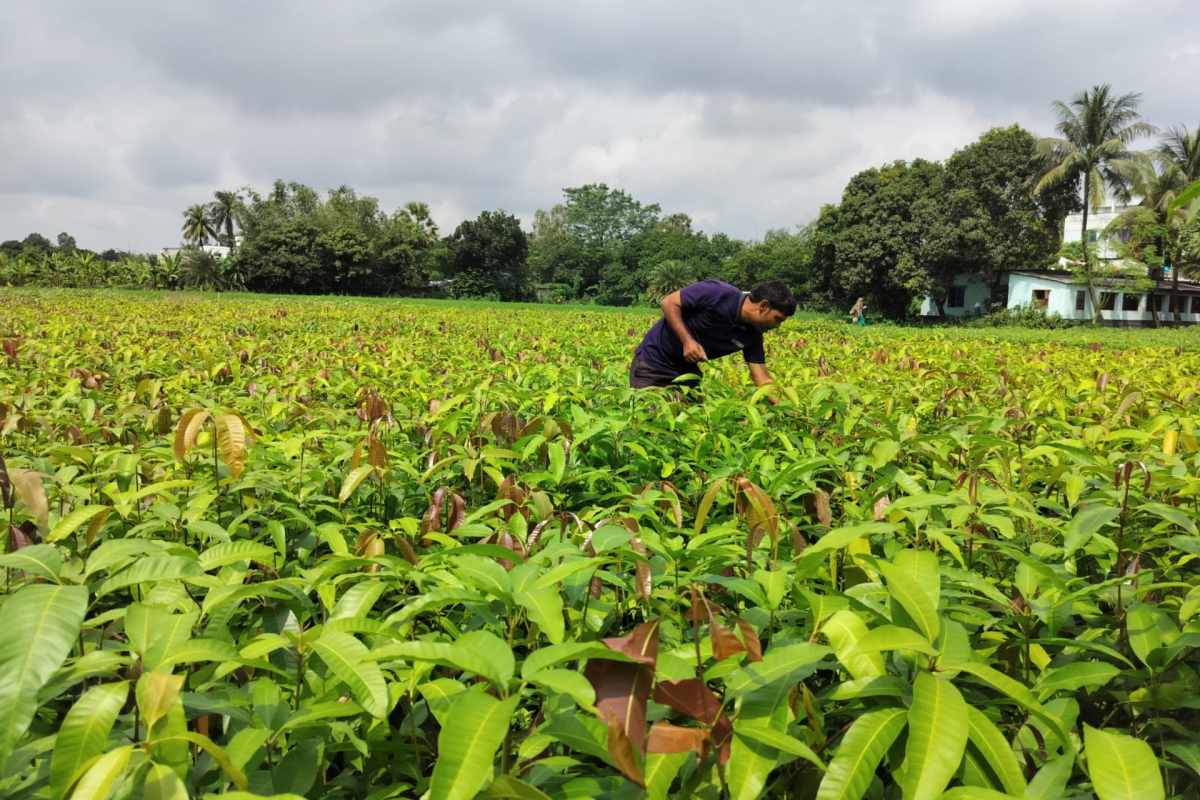
Why this visual matters: This image encapsulates Varaha’s commitment to innovative carbon removal initiatives, reinforcing its position as a leader in cost-effective sustainability solutions. Understanding Varaha’s approach is crucial for stakeholders interested in the evolving landscape of carbon removal technologies.
Strategic Deployment Logic
Frequently Asked Questions
What is Varaha’s primary business model?
Varaha focuses on carbon removal initiatives through regenerative agriculture, agroforestry, biochar, and enhanced rock weathering, generating verified carbon credits for sale to global corporations.
How does Varaha’s funding impact its growth?
The recent $20 million funding will enable Varaha to expand its operations into additional markets in South and Southeast Asia while strengthening its presence in existing regions, enhancing its capacity to deliver carbon removal solutions.
Who are Varaha’s major clients?
Varaha has established partnerships with global corporations such as Google, Microsoft, Lufthansa, and Capgemini, which have committed to purchasing carbon credits from the startup.
What are the potential challenges Varaha may face?
As Varaha scales its operations, it may encounter challenges related to regulatory compliance, market competition, and the need to maintain cost efficiencies while expanding its service offerings.
Meet the Analyst
Marcus Vance, Tech Editor
With over a decade of experience in the technology and sustainability sectors, Marcus provides insights into emerging trends and innovations that shape the future of climate technology.
Last Updated: March 2026 | HustleBotics Editorial Team