Uber’s Strategic Moves in Autonomous Vehicles
Uber’s latest billion-dollar fundraising round for Waabi, a self-driving truck startup, is more than just a financial transaction; it is indicative of a broader ambition. This investment includes an initial $750 million, with an additional $250 million contingent on the successful deployment of autonomous vehicles, specifically in the realm of robotaxis. Waabi, founded by former Uber AI chief Raquel Urtasun, aims to deploy over 25,000 robotaxis, a goal that aligns with Uber’s overarching strategy of solidifying its dominance in the autonomous vehicle market.
Several industry reports have noted that the shift toward autonomous vehicles is not merely a technological advancement but a complete reimagining of urban mobility. According to a report by McKinsey & Company, the autonomous vehicle market is projected to generate upwards of $1.5 trillion by 2030, creating an array of business opportunities and challenges. This necessitates a proactive approach from companies like Uber, especially as they navigate partnerships with over 20 autonomous vehicle partners globally.
Furthermore, in a recent statement by the International Transport Forum, it was highlighted that the integration of autonomous vehicles could significantly reduce traffic congestion and enhance urban efficiency. This creates an environment ripe for innovation and entrepreneurship, as new services and business models emerge to support the changing landscape.
Second-Order Effects
While the immediate focus is on Uber’s investment and Waabi’s ambitious goals, the second-order effects of this partnership are profound and multifaceted. The implications extend beyond just Uber and Waabi; they ripple through various sectors of the economy, presenting both opportunities and challenges.
One of the most notable effects is the potential disruption of traditional transportation services. With the advent of robotaxis, ride-sharing services may face increased competition as autonomous vehicles become more ubiquitous. This could lead to a decline in demand for conventional taxi services, forcing them to adapt or risk obsolescence. Moreover, the rise of autonomous vehicles could lead to a significant reduction in the need for personal car ownership, fundamentally altering consumer behaviors and preferences.
Additionally, the partnerships formed between tech companies and traditional automotive manufacturers will likely redefine the competitive landscape. As Uber collaborates with various vehicle manufacturers to develop autonomous technologies, it will set the stage for a new wave of competition among tech startups and established automotive giants. This could lead to an influx of innovation and technological advancements, fostering a robust ecosystem of autonomous vehicle solutions.
Moreover, the economic implications of widespread autonomous vehicle adoption could be significant. A report by Deloitte suggests that the shift towards autonomous vehicles could result in job displacement in sectors reliant on human drivers. However, it also highlights the potential for job creation in tech, engineering, and maintenance fields, as new opportunities arise to support these advanced technologies.
Data & Competition
As Uber solidifies its position in the autonomous vehicle market, it’s essential to analyze the competitive landscape and identify the winners and losers in this evolving sector. Uber’s investment in Waabi places it in a strong position against competitors like Waymo and Tesla, which are also vying for dominance in the autonomous vehicle arena.
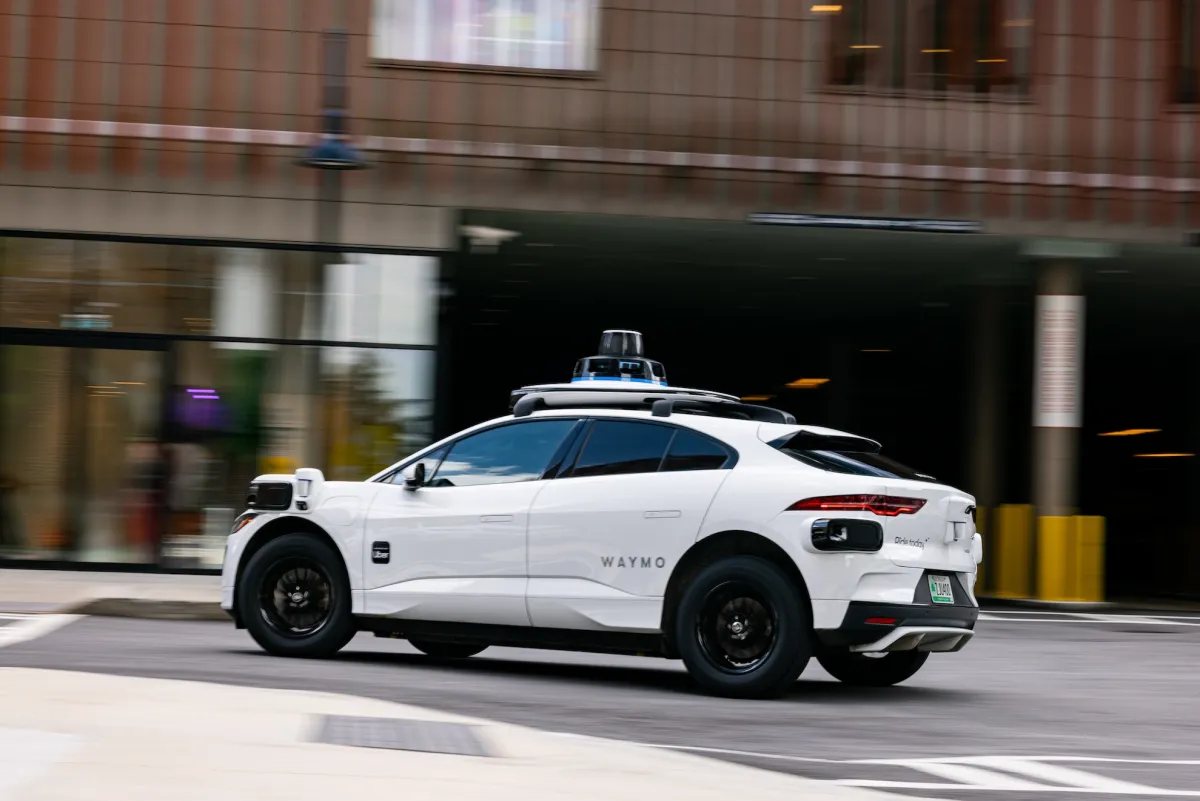
In terms of market impact, Uber’s strategic partnerships and investments signal a commitment to leading the charge in autonomous vehicle deployment. However, competition remains fierce. Waymo, for example, has made significant strides in developing its autonomous driving technology and has already launched a robotaxi service in select markets, positioning it as a formidable rival. Tesla, too, continues to innovate in the realm of self-driving capabilities, presenting yet another challenge to Uber’s ambitions.
The market dynamics suggest that companies investing in autonomous technologies will need to differentiate themselves through unique offerings or superior technology. The success of Waabi’s “simulation-first” approach, as discussed in the Equity podcast, could provide a competitive edge, enabling faster and more efficient testing and deployment of autonomous vehicles.
Why this visual matters: This image illustrates the significant impact of Uber’s investments in autonomous vehicles, particularly through its partnership with Waabi, highlighting the emerging opportunities in the autonomous vehicle sector.
The interplay between these companies will shape the future of transportation, with implications for regulatory frameworks, consumer acceptance, and technological advancements. As competition intensifies, the market will witness the emergence of new players, innovative solutions, and potentially disruptive business models.
Frequently Asked Questions
What is Uber’s investment in Waabi about?
Uber’s investment in Waabi, a self-driving truck startup, includes an initial $750 million along with an additional $250 million contingent on deployment milestones. This investment aims to support Waabi’s goal of deploying over 25,000 robotaxis, aligning with Uber’s broader strategy in the autonomous vehicle market.
How will the rise of autonomous vehicles impact traditional transportation services?
The rise of autonomous vehicles could disrupt traditional transportation services by increasing competition for ride-sharing and taxi services. As robotaxis become more prevalent, demand for conventional taxi services may decline, forcing them to adapt to the changing landscape.
What are the potential economic implications of widespread autonomous vehicle adoption?
Widespread adoption of autonomous vehicles may lead to job displacement in sectors reliant on human drivers, while also creating new job opportunities in tech, engineering, and maintenance fields. The shift could fundamentally alter consumer behaviors and preferences regarding vehicle ownership.
Who are Uber’s main competitors in the autonomous vehicle market?
Uber’s main competitors in the autonomous vehicle market include Waymo and Tesla, both of which are making significant advancements in autonomous driving technology and have launched or are developing robotaxi services.
Meet the Analyst
Marcus Vance, Tech Editor – With over a decade of experience in technology journalism, Marcus specializes in analyzing emerging trends in the tech industry. His insights provide a deep understanding of the intersection between technology and business.
Last Updated: March 2026 | HustleBotics Editorial Team