
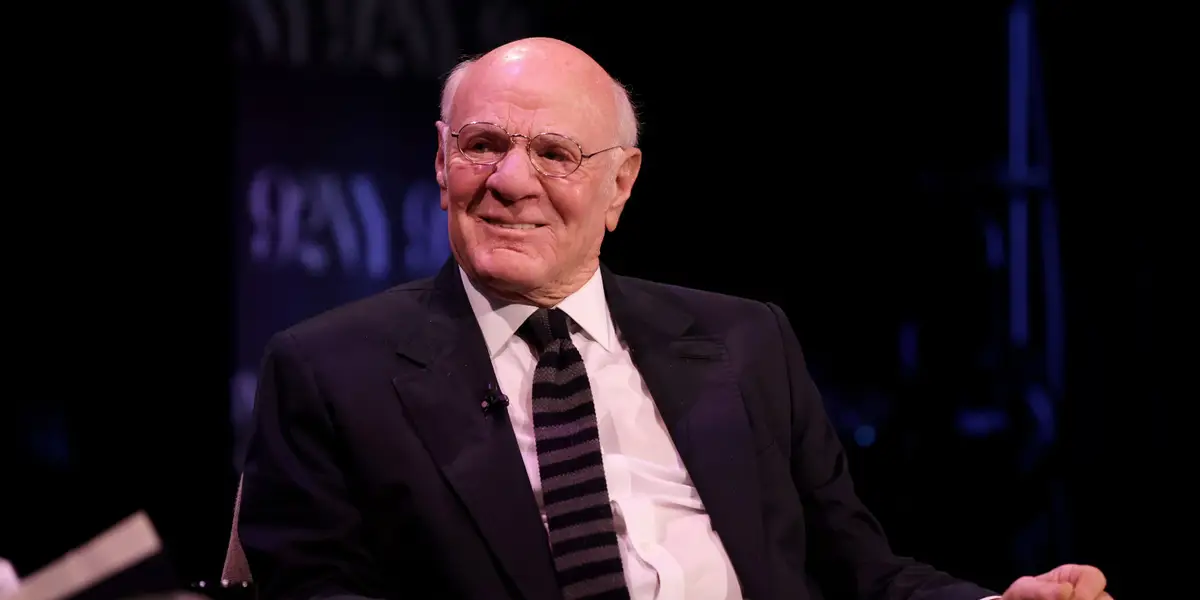
In today’s rapidly evolving business landscape, the traditional paradigms of talent acquisition and management are being challenged. Barry Diller’s philosophy of empowering young talent—by hiring individuals with little to no experience—offers a refreshing perspective that could potentially disrupt conventional hiring practices. This editorial analysis delves into Diller’s approach, its implications for the industry, and real-world use cases that illustrate the transformative potential of nurturing talent beyond their current qualifications.
Core Analysis of Diller’s Approach
Barry Diller, the chairman of IAC and Expedia Group, is no stranger to the intricacies of talent management. His candid remarks on the “sink or swim” mentality for young employees reveal a bold strategy aimed at fostering resilience and innovation. Diller’s preference for hiring inexperienced individuals stems from his belief that exceeding one’s qualifications can uncover hidden potential. This approach is echoed in a report by the Harvard Business Review, which asserts that organizations that embrace a culture of risk-taking can cultivate a more adaptable workforce.
Diller’s philosophy resonates with the findings of a McKinsey report that highlights the importance of diversity in hiring, stating that companies with diverse talent pools are 35% more likely to outperform their competitors. By hiring young, inexperienced individuals, Diller not only promotes diversity but also encourages fresh perspectives that challenge the status quo. This is particularly relevant in industries such as technology and media, where innovation is critical for survival.
During a recent episode of the “Invest Like the Best” podcast, Diller shared insights from his own career, recalling how he was thrust into significant responsibilities without prior experience. This anecdote serves as a testament to the power of mentorship and the importance of providing opportunities for growth. The rise of companies like Airbnb and Slack, which thrived on unconventional hiring practices, further supports the notion that potential often outweighs experience.
Second-Order Effects
The implications of Diller’s hiring philosophy extend far beyond individual career trajectories; they have the potential to reshape entire industries. By fostering a culture where young talent is encouraged to take risks, organizations can create an environment of innovation that propels them ahead of the competition.
One second-order effect of this approach is the emergence of a new breed of leaders who are not only adaptable but also resilient. As these young professionals navigate challenges beyond their expertise, they develop critical problem-solving skills that are invaluable in today’s fast-paced business environment. This aligns with findings from a Deloitte study, which indicates that organizations that prioritize employee development see a 37% increase in productivity.
Moreover, Diller’s model could catalyze a shift in the way businesses approach training and development. Instead of relying solely on formal education and prior experience, companies may begin to invest in mentorship programs that focus on real-world challenges. This could lead to a more engaged workforce that is better equipped to tackle the complexities of modern business.
Data & Competition
Analyzing the winners and losers in the context of Diller’s hiring philosophy provides insight into the broader market impact. Companies that adopt similar strategies may find themselves at the forefront of innovation. For instance, firms like Google and Facebook have long championed the hiring of young talent, resulting in a dynamic work environment that fosters creativity and collaboration.
Conversely, organizations that cling to traditional hiring practices may struggle to keep pace with their more progressive competitors. The reluctance to hire inexperienced individuals can lead to a stagnant culture that stifles innovation. A report by PwC highlights that 74% of CEOs are concerned about the availability of key skills, suggesting a growing need for organizations to rethink their talent acquisition strategies.
Furthermore, the competitive landscape is shifting as startups increasingly embrace Diller’s approach. Companies like Stripe and Zoom have successfully built their teams by prioritizing potential over experience, allowing them to scale rapidly and disrupt established players. This trend signals a new era in which adaptability and innovation become the cornerstones of success.
Why this visual matters: This image encapsulates Barry Diller’s innovative approach to empowering young talent, illustrating the transformative impact of hiring based on potential rather than experience. By fostering an environment where young professionals can thrive, organizations position themselves for long-term success.
Frequently Asked Questions
What is Barry Diller’s hiring philosophy?
Barry Diller advocates for hiring individuals without prior experience, believing that giving them responsibilities beyond their qualifications can uncover exceptional talent and adaptability.
How does Diller’s approach impact business innovation?
By promoting a culture of responsibility and risk-taking among young employees, organizations can foster innovation and resilience, allowing them to remain competitive in rapidly changing markets.
What are the potential risks of Diller’s hiring strategy?
The primary risk lies in the possibility of hiring individuals who may not meet the demands of their roles. However, Diller argues that the potential for growth and adaptability often outweighs the initial lack of experience.
How can companies implement this strategy successfully?
Organizations can implement this strategy by investing in mentorship programs, providing real-world challenges, and creating a supportive environment that encourages young talent to take risks and learn from their experiences.
Meet the Analyst
Marcus Vance, Tech Editor
Marcus is a seasoned journalist with over a decade of experience in analyzing trends in technology and business. He specializes in uncovering insights that drive innovation and foster growth in organizations.
Last Updated: March 2026 | HustleBotics Editorial Team