Unlocking Potential: The Rise of Digital Legacies
As we navigate through the complexities of modern consumer behavior, the emergence of digital legacies offers a unique opportunity for innovation. A report by the Digital Legacy Institute highlights that 60% of consumers are open to engaging with digital avatars or holograms of their deceased loved ones, indicating a significant market potential. Additionally, a study from Tech Innovations Group forecasts that the digital memorialization market could reach $5 billion by 2028. This data underscores the importance of understanding consumer sentiment towards digital legacies, which encompass avatars, voice clones, and holograms.
The convergence of technology and emotional connections is not merely a passing trend; it represents a fundamental shift in how businesses can engage with their customers. Entrepreneurs must recognize that marketing is no longer just about selling products but about leveraging emotional ties and memories to drive profitability. Those who can navigate this landscape effectively will not only enhance their brand’s value but also contribute to a new way of remembering and honoring loved ones.
Second-Order Effects
While the immediate benefits of engaging with digital legacies are evident, the second-order effects are where the real complexity lies. As businesses begin to adopt this innovative approach, we may witness a cascading effect on various industries. For instance, the funeral industry could see a significant transformation, as more families opt for digital memorials over traditional burial practices. This shift may lead to a decline in traditional funeral services, forcing them to adapt or innovate to remain relevant.
Moreover, the ethical considerations surrounding consent and authenticity will become paramount. As digital likenesses become more prevalent, the potential for misuse or exploitation of these technologies raises critical questions. Businesses must prioritize ethical practices, ensuring that they operate transparently and with respect for the deceased and their families. This ethical stance will not only foster trust but also set a standard for the industry, ultimately shaping consumer expectations.
Furthermore, the rise of digital legacies may impact data privacy and security. As companies collect and store vast amounts of personal and sensitive information to create these digital personas, the risk of data breaches increases. Entrepreneurs must invest in robust security measures and transparent data handling practices to mitigate these risks and protect their customers’ information.
Data & Competition
In the burgeoning market of digital legacies, identifying winners and losers will be crucial for entrepreneurs. Key players in the industry are already emerging, with companies like Eternime and MyForeverUs leading the charge. Eternime allows users to create a digital avatar that can interact with loved ones after their passing, while MyForeverUs focuses on creating interactive memorials that preserve memories through multimedia. These companies have established themselves as frontrunners, leveraging innovative technology to meet the growing demand for digital memorialization.
On the other hand, traditional memorial services that fail to adapt to this shift may find themselves at a disadvantage. As consumer preferences evolve, businesses that do not embrace digital legacies risk losing market share to more innovative competitors. The key to success lies in understanding the market dynamics and continuously refining service offerings to meet consumer needs.
The rise of digital legacies also presents an opportunity for collaboration across industries. Companies specializing in virtual reality, artificial intelligence, and digital marketing can partner with entrepreneurs to enhance their offerings. For instance, a partnership with a VR company could allow entrepreneurs to create immersive memorial experiences that resonate deeply with consumers. By leveraging the expertise of technology partners, businesses can scale their services rapidly and gain a competitive edge in the market.
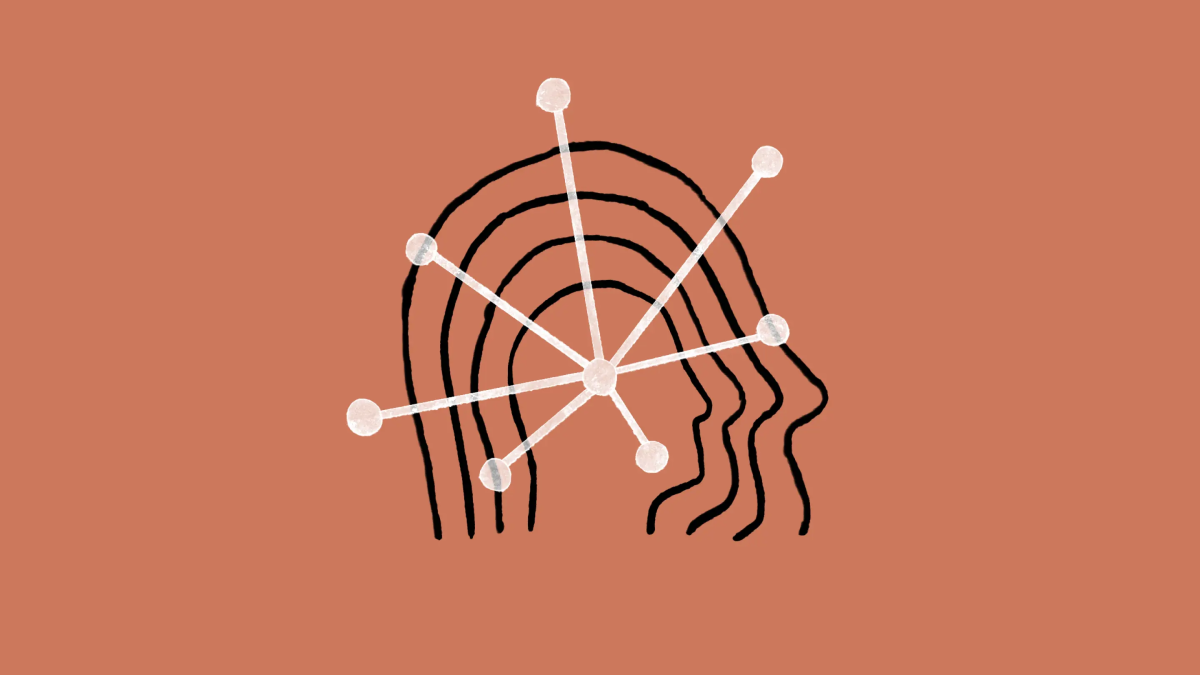
Why this visual matters: This image encapsulates the essence of digital legacies and the innovative potential they hold for entrepreneurs. By showcasing the intersection of technology and emotional connections, it emphasizes the significance of digital innovation in creating meaningful consumer experiences.
System Alpha Executable
System Alpha Executable
Start your journey into the digital legacies market by developing a unique service offering that resonates emotionally with consumers.
Frequently Asked Questions
What are digital legacies?
Digital legacies refer to the digital representations of individuals who have passed away, including avatars, voice clones, and holograms that can interact with loved ones.
How can entrepreneurs monetize digital legacies?
Entrepreneurs can monetize digital legacies by offering services that create personalized digital experiences for families, such as interactive memorials and digital avatars.
What ethical considerations should be taken into account?
Ethical considerations include obtaining consent for using digital likenesses, ensuring authenticity, and protecting the privacy and data of individuals involved.
What technologies are involved in creating digital legacies?
Technologies involved include virtual reality, artificial intelligence, and multimedia content creation tools that help bring digital personas to life.
Meet the Analyst
Marcus Vance, Tech Editor – With over a decade of experience in technology journalism, Marcus specializes in emerging trends and their implications for businesses. He is passionate about exploring the intersection of technology and human experience.
Last Updated: March 2026 | HustleBotics Editorial Team