Market Shift: Uber’s Strategic Investment in Autonomous Vehicles
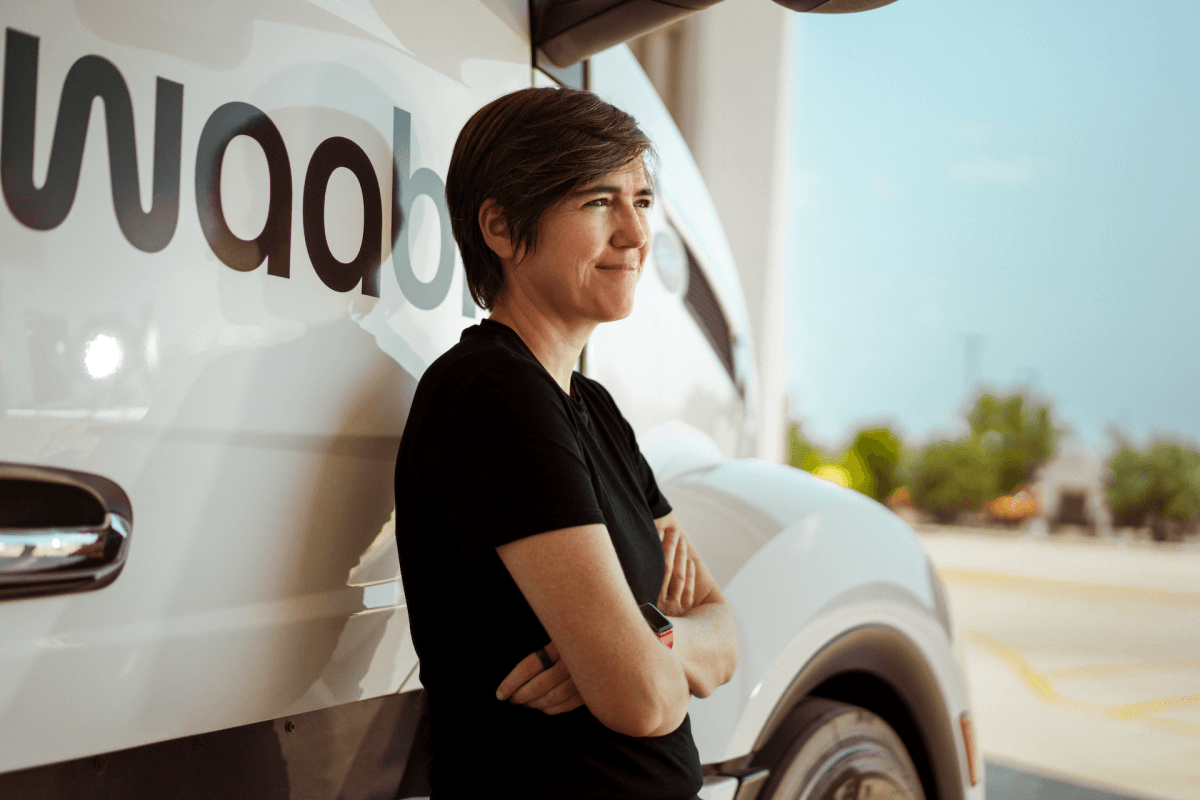
In a bold move, Uber has announced a significant partnership with Waabi, a self-driving truck startup founded by former Uber AI leader Raquel Urtasun. The initial investment of $750 million, with an additional $250 million contingent upon deployment milestones, marks a substantial step into the robotaxi sector for Uber. This partnership is not merely a financial commitment; it represents a strategic gamble in the rapidly evolving landscape of autonomous vehicles.
The implications of this investment extend beyond Uber’s immediate operations. A recent report from the International Transport Forum highlights that the autonomous vehicle market is projected to grow to $60 billion by 2030. As such, Uber’s decision to invest heavily in this sector aligns with broader industry trends indicating a shift towards automation in transportation. Furthermore, a study by McKinsey & Company suggests that companies that successfully navigate the transition to autonomous technologies could see their operational costs reduced by up to 30%.
Uber is not alone in its quest for dominance in the autonomous vehicle market. With over 20 partnerships globally, the firm is positioning itself as a leader in the space. However, the critical question remains: can Waabi achieve its ambitious goal of deploying more than 25,000 robotaxis? The success of this venture could redefine Uber’s market position and influence the future of urban transportation.
Second-Order Effects
While the immediate focus is on Uber’s financial commitment to Waabi, the second-order effects of this partnership warrant deeper analysis. One notable effect is the potential acceleration of regulatory frameworks surrounding autonomous vehicles. As more companies invest in this technology, governments may be prompted to create comprehensive regulations to ensure public safety and address liability issues. This could lead to a more standardized framework for testing and deploying autonomous vehicles, which would benefit all players in the industry.
Furthermore, the integration of autonomous vehicles into urban environments may reshape city planning and infrastructure development. As robotaxis become more prevalent, cities may need to rethink transportation networks, parking structures, and public transit systems. A report from the Urban Land Institute suggests that cities that embrace autonomous technology could see a reduction in congestion and improved air quality, leading to more livable urban spaces.
Another second-order effect is the impact on labor markets. The rise of autonomous vehicles could lead to significant job displacement in traditional driving roles. However, it may also create new opportunities in technology development, maintenance, and oversight of these vehicles. This shift could necessitate a re-skilling of the workforce, as highlighted in a recent report by the World Economic Forum, which emphasizes the need for educational programs that prepare workers for the future of transportation.
Why this visual matters: This image illustrates Uber’s investment in self-driving technology, showcasing the potential impact of the Waabi partnership on the future of transportation. Understanding Uber’s strategic moves is essential for stakeholders navigating the evolving landscape of autonomous vehicles.
Data & Competition
The competitive landscape in the autonomous vehicle sector is heating up, with several players vying for market share. Uber’s investment in Waabi positions it against formidable competitors such as Waymo and Cruise, both of which are also making substantial strides in the robotaxi space. Waymo, for instance, has been testing its autonomous vehicles in multiple cities and has already launched a commercial robotaxi service in Phoenix, Arizona.
On the other hand, Cruise, backed by General Motors, is aggressively expanding its operations and has recently secured significant funding to enhance its autonomous technology. According to a report by Bloomberg, Cruise aims to scale its service to multiple cities by 2025, highlighting the urgency for Uber to establish a competitive edge through its partnership with Waabi.
In terms of financial performance, Uber’s stock has shown volatility as it navigates the challenges of the ride-hailing market. However, analysts predict that a successful roll-out of autonomous vehicles could significantly enhance Uber’s revenue streams. A report from Goldman Sachs estimates that the autonomous vehicle market could contribute an additional $10 billion to Uber’s annual revenue by 2030 if it captures a significant share of the market.
As Uber pushes forward with its strategy, the company’s ability to execute on its promises will be under scrutiny. Investors will be keenly watching the deployment milestones set for Waabi, as these will be pivotal in determining the success of this partnership.
Frequently Asked Questions
What is Uber’s investment in Waabi about?
Uber’s investment in Waabi involves an initial $750 million, with an additional $250 million contingent upon deployment milestones. This partnership aims to enhance Uber’s position in the autonomous vehicle market, specifically in the robotaxi sector.
How does this investment impact the autonomous vehicle market?
This investment signifies a growing trend towards automation in transportation, potentially leading to increased competition among existing players and the emergence of new regulatory frameworks. It may also influence urban planning and labor markets as autonomous vehicles become more prevalent.
What are the potential benefits of autonomous vehicles for cities?
Autonomous vehicles could lead to reduced congestion, improved air quality, and more efficient transportation networks. Cities that embrace this technology may become more livable and sustainable, benefiting residents and businesses alike.
How will Uber compete against other companies in the autonomous vehicle space?
Uber will need to leverage its investment in Waabi to accelerate the deployment of its robotaxi service, while also navigating the competitive landscape against companies like Waymo and Cruise. Successful execution of its strategy will be critical to maintaining its market position.
Meet the Analyst
Marcus Vance, Tech Editor – A seasoned analyst with over a decade of experience in technology and transportation sectors, Marcus provides insights into the evolving landscape of autonomous vehicles, helping readers understand the implications for businesses and consumers.
Last Updated: March 2026 | HustleBotics Editorial Team