Core Analysis of Uber’s Acquisition of Getir
Uber’s strategic acquisition of Getir’s delivery division, valued at an initial payment of $335 million, marks a significant moment for the food delivery market. This transaction, which also includes a planned $100 million investment for a 15% equity stake in Getir’s grocery and retail services, comes at a time when Getir is navigating a challenging landscape. Once valued at $12 billion, Getir has seen a drastic reduction in its market standing as demand for food and grocery delivery wanes post-pandemic.
Industry reports, including one from McKinsey, highlight that the global food delivery market is projected to grow significantly, but companies must adapt to changing consumer behaviors. The report notes that while online food delivery saw explosive growth during the pandemic, the market is now entering a phase of stabilization where only the most agile and innovative players will thrive. Uber’s acquisition is a clear response to this evolving market, aiming to solidify its position in a sector that is actively recalibrating.
Furthermore, Uber’s integration of Getir’s services with its existing platform is expected to enhance operational efficiency and customer offerings. According to a market analysis by Grand View Research, the food delivery service industry is anticipated to reach $154.34 billion by 2023. The fusion of Uber’s existing services with Getir’s could provide a competitive edge, allowing for diversified offerings that appeal to a broader consumer base.
Second-Order Effects
When examining the implications of Uber’s acquisition of Getir, it’s crucial to consider the second-order effects that may ripple through the market. One immediate consequence is the potential for increased competition among existing players in the delivery sector. As Uber consolidates its operations, rivals such as DoorDash and Grubhub may be compelled to respond strategically, either through mergers, acquisitions, or significant investments in technology and logistics.
Moreover, this acquisition could set a precedent for future deals within the sector, encouraging other companies to seek strategic partnerships or acquisitions to bolster their market positions. A report by Bain & Company indicates that consolidation within the food delivery market is likely as companies strive to enhance their service offerings and streamline operations. As Uber and Getir join forces, expect to see a wave of similar transactions across the industry as smaller players look to either scale or align themselves with larger entities.
Additionally, the integration of Getir’s services into Uber’s ecosystem could lead to a shift in consumer expectations. With a more robust service offering, consumers may begin to anticipate faster delivery times, broader product selections, and enhanced user experiences. This shift could force competitors to elevate their service quality, leading to an overall improvement in the delivery experience for consumers.
Data & Competition
In assessing the winners and losers in the wake of Uber’s acquisition, it is essential to analyze the broader market impact. Uber’s delivery sector has shown robust performance, reporting revenues of $4.89 billion in the last quarter, a 30% year-over-year growth. This indicates a strong demand for delivery services, particularly in regions like Europe, the Middle East, and Asia, where Uber is seeing rapid expansion.
On the flip side, Getir, despite its previous success, has faced significant challenges. As it downsizes operations and focuses on its domestic market, the shift in strategy reflects a broader trend of reevaluation among delivery services. The competition is not just about maintaining market share; it’s about adapting to changing consumer demands and operational realities.
In the wake of this acquisition, the market may see a bifurcation where larger players like Uber and DoorDash continue to dominate, while smaller companies struggle to keep pace. The consolidation of resources and technology could create a significant competitive advantage for Uber, allowing it to optimize its delivery network and customer engagement strategies.
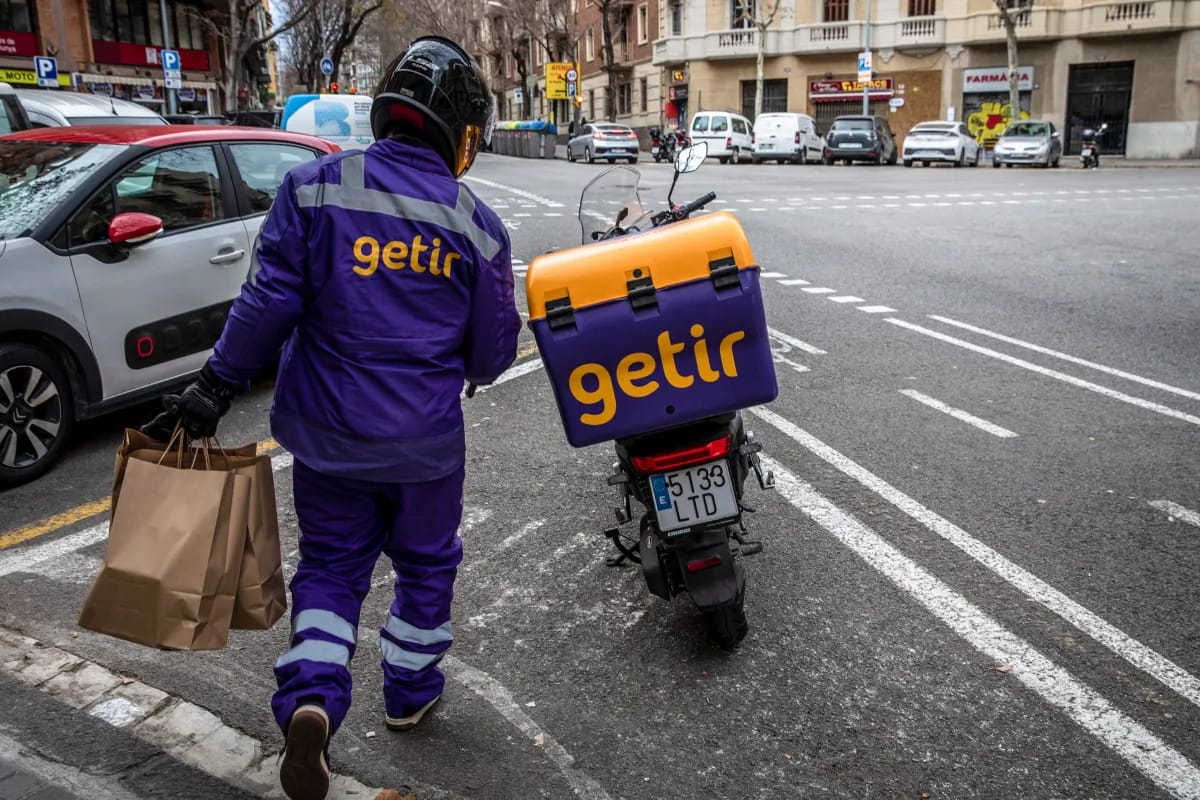
Why this visual matters: This image illustrates the significant strategic acquisition of Getir by Uber, showcasing the evolving landscape of food delivery services. The merger represents a pivotal moment for Uber as it aims to enhance its market resilience and adapt to changing consumer preferences.
As we analyze the competitive landscape, it’s clear that Uber’s acquisition could disrupt the status quo. The strategic alignment with Getir not only expands Uber’s footprint but also enhances its capabilities in a sector that is recalibrating in response to the pandemic’s aftereffects.
Frequently Asked Questions
What does Uber’s acquisition of Getir mean for the food delivery market?
Uber’s acquisition of Getir signifies a strategic move to bolster its position in the competitive food delivery market. By integrating Getir’s operations, Uber aims to enhance its service offerings and operational efficiencies, setting the stage for a more robust competitive landscape.
How will this acquisition affect Getir’s future?
Getir is likely to benefit from Uber’s resources and technological advancements, potentially leading to a more streamlined operation. However, the company must also navigate the challenges of transitioning its business model in a post-pandemic environment.
What can we expect from the food delivery industry moving forward?
As the food delivery industry adapts to changing consumer behaviors, we can expect increased competition among major players. Mergers and acquisitions may become more common as companies strive to enhance their market positions and service offerings.
Will consumer expectations change as a result of this acquisition?
Yes, with Uber integrating Getir’s services, consumers may begin to expect faster delivery times and broader product selections, which could drive improvements across the industry as competitors strive to meet these expectations.
Meet the Analyst
Marcus Vance, Tech Editor – With over a decade of experience in the technology and startup sectors, Marcus provides insights into market trends and strategic shifts within the industry, helping readers navigate the complexities of modern business landscapes.
Last Updated: March 2026 | HustleBotics Editorial Team