Market Shift: The Rise of Dual Leadership Models
Spotify’s recent announcement regarding the elevation of co-presidents Gustav Söderström and Alex Norström to co-CEOs marks a pivotal moment in corporate governance. Following in the footsteps of Netflix, which appointed Greg Peters and Ted Sarandos as co-CEOs in 2023, Spotify’s strategy signifies a broader trend toward collaborative leadership structures in the tech sector. According to a report by McKinsey, nearly 40% of companies are now exploring alternative leadership models to adapt to the complexities of modern business environments.
This shift toward dual leadership is not merely cosmetic; it reflects a deeper understanding of the advantages of shared decision-making. By distributing responsibilities between co-CEOs, companies can leverage diverse skills and perspectives, which is particularly crucial in an era characterized by rapid technological advancements and shifting consumer expectations. A recent study from Deloitte highlights that organizations with collaborative leadership structures report higher employee satisfaction and improved innovation metrics, suggesting that the benefits of such models extend beyond the executive suite.
Spotify’s co-CEO arrangement, where reporting will still funnel through founder Daniel Ek as executive chairman, aims to combine strengths in creative output and technology. This model raises the question: can dual leadership effectively balance the need for decisiveness with the benefits of diverse input? The successes seen at Netflix, where co-CEOs have driven a 47% year-over-year revenue increase, provide a compelling case that it can.
Second-Order Effects: What Most People Miss
While the immediate implications of Spotify’s dual leadership model are clear, the second-order effects warrant deeper exploration. One significant consideration is the potential for increased agility in decision-making. By having two leaders who can specialize in different domains—content strategy for one and product technology for the other—Spotify may enhance its responsiveness to market changes. This agility could be vital in a landscape where consumer preferences shift rapidly and competition intensifies.
Moreover, the co-CEO model may lead to a culture of accountability that is often lacking in traditional single-leader structures. As Sarandos and Peters illustrate, their partnership fosters an environment where disagreements are not only expected but encouraged. This dynamic can lead to more robust discussions and ultimately better decision-making. However, it also requires a level of emotional intelligence and mutual respect that may not exist in all leadership teams.
Another potential second-order effect is the impact on succession planning. As companies like Spotify and Netflix demonstrate the viability of dual leadership, future executive transitions may increasingly favor collaborative models. This could lead to a more diverse range of candidates being considered for leadership roles, as companies seek to replicate the benefits of shared governance. However, it also raises questions about long-term stability, as the co-CEO model may complicate succession if not thoughtfully managed.
Data & Competition: Winners and Losers
As Spotify embarks on this new leadership journey, it is essential to analyze the competitive landscape and identify potential winners and losers. Companies that adopt similar co-CEO structures could experience a competitive edge, particularly in the tech sector, where innovation is paramount. For instance, firms like Warby Parker, which has successfully operated under a co-CEO model for over a decade, may find themselves positioned as leaders in the industry, setting a precedent for others to follow.
Conversely, traditional companies that cling to outdated leadership models may struggle to keep pace. As the market shifts toward collaborative governance, organizations that fail to adapt could find themselves at a disadvantage. A report from Gartner indicates that organizations led by collaborative teams outperform their peers in terms of innovation and financial performance, emphasizing the importance of adapting to this emerging trend.
Spotify’s move to co-leadership may also put pressure on competitors to rethink their governance structures. As the tech industry increasingly embraces dual leadership, companies that remain anchored to single-leader models may face challenges in attracting top talent, particularly those who value collaboration and shared decision-making. This shift could further entrench Spotify’s position as a market leader, as it not only innovates in its product offerings but also in its leadership approach.
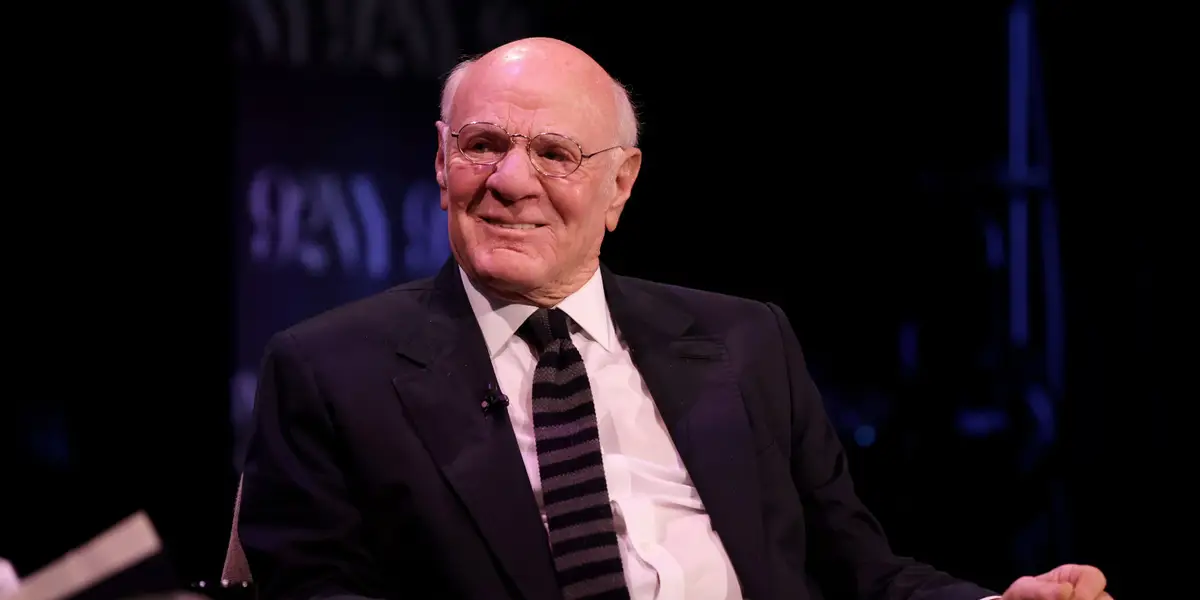
Why this visual matters: The dual leadership model exemplified by Spotify and Netflix highlights the evolution of corporate governance. Understanding this shift is crucial for organizations looking to innovate and remain competitive in a rapidly changing market.
Frequently Asked Questions
What are the benefits of a co-CEO model?
The co-CEO model allows companies to leverage diverse skill sets, promote collaboration, and enhance decision-making agility. It can also foster a culture of accountability and innovation.
How does Spotify’s leadership change impact its market position?
By adopting a dual leadership structure, Spotify aims to strengthen its position in the competitive tech landscape, potentially increasing its responsiveness to market changes and consumer preferences.
Are there risks associated with co-CEO arrangements?
While co-CEO models can offer significant advantages, they also require strong interpersonal dynamics to function effectively. Misalignment between co-CEOs can lead to confusion and indecision if not managed properly.
Can other industries benefit from a co-CEO model?
Yes, while the co-CEO model is most prevalent in the tech sector, other industries can also benefit from collaborative leadership structures, particularly in environments that demand rapid innovation and adaptability.
Meet the Analyst
Marcus Vance, Tech Editor – A seasoned technology journalist with over a decade of experience, Marcus specializes in analyzing market trends and corporate strategies. His insights have guided industry leaders in navigating the complexities of modern business.
Last Updated: March 2026 | HustleBotics Editorial Team