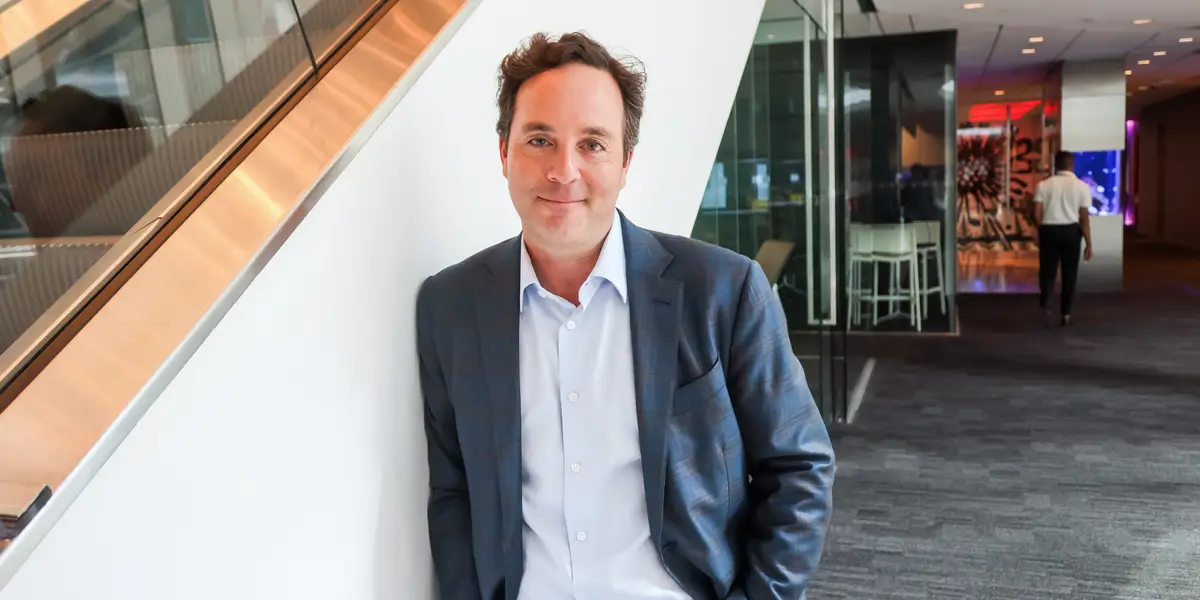
As we navigate the ever-evolving landscape of digital interactions, the world of online dating stands as a striking example of both innovation and disruption. The recent transformation at Match Group, particularly under the leadership of Spencer Rascoff at Tinder, signifies a pivotal moment in the dating application ecosystem. This analysis seeks to unpack the implications of this shift, offering insights for entrepreneurs, investors, and industry stakeholders.
🌐 CONTEXT & BACKGROUND
The realm of online dating has witnessed substantial changes since its inception. Once dominated by traditional matchmaking services, it has now evolved into a multi-billion dollar industry characterized by myriad applications like eHarmony, Tinder, and Hinge. Each platform sought to resolve the age-old challenge of finding romantic partners, leveraging technology to offer increased connectivity. Before the recent shifts, the market prioritized swipe-based matches, quick interactions, and, at times, merely fun. However, the explosive growth during the pandemic gave way to what many are referring to as “swipe fatigue.” Many users began to sense a lack of authenticity and quality, prompting growing dissatisfaction.
Despite this fatigue, there lies a potential for a resurgence in demand for authentic connections. Rascoff’s move at Tinder acts as a response to this need, signaling an opportunity for renewed engagement. His background in building platforms that disrupt conventional approaches serves as a beacon of potential, suggesting that today’s market might be on the verge of a robust re-imagining of what online dating can offer in terms of genuine social interactions.
📊 MARKET IMPACT ANALYSIS
As Spencer Rascoff takes the helm at Tinder, the question of who stands to gain or lose in this shifting landscape is paramount. The immediate winners appear to be new users who crave innovation and authenticity in their dating experiences. As Tinder implements genuinely engaging features such as “Music Mode,” designed to recapture users’ attention, they aim to drive up engagement levels.
Conversely, legacy competitors lacking flexibility or an innovative approach may face stagnation. Notably, Hinge has demonstrated a clear ability to connect with younger audiences; if Tinder cannot differentiate itself effectively, it risks losing market share to more agile competitors.
Industries like social networking, entertainment, and even wellness may also bear witness to disruptions as dating platforms evolve into holistic lifestyle apps that foster genuine connections. With Rascoff’s insight into consumer behavior, Tinder could morph into a platform that does more than match users — it might facilitate social experiences that resonate deeply with its audience.
⚔️ COMPETITIVE COMPARISON
Traditionally, Tinder has been the forerunner in the dating app market with its rapid swipe feature. However, Hinge has grown steadily by prioritizing quality over quantity. Rascoff’s strategies aim to re-frame Tinder’s competitive edge by decentralizing power within the organization, thus fostering innovation in response to market demand.
When examining technical benchmarks, features like user experience design and algorithm effectiveness are critical. While Tinder’s algorithm has traditionally focused on speed, Hinge deploys in-depth user prompts to facilitate more meaningful interactions. This divergence points to a potential shift in Tinder’s approach to matchmaking that could bring their technology in line with users’ evolving preferences.
🛠️ REAL-WORLD USE CASES & MONETIZATION
With Rascoff at the forefront, there are various avenues an entrepreneur can exploit to monetize these changes effectively:
- ⚡ Launch niche dating platforms leveraging the new features introduced by mainstream apps like Tinder. By focusing on specific interests (e.g., pet lovers, travel aficionados), entrepreneurs can tap into niche markets.
- ⚡ Consider offering complementary services such as personality assessments for dating profiles, turning insights into a subscription-based model for those seeking tailored connections.
- ⚡ Host social events or workshops that align with features like “Music Mode,” allowing users to engage in curated experiences that facilitate organic connections.
📈 DATA & TRENDS
Current industry statistics paint an interesting portrait of growth: the dating app market is expected to witness a compound annual growth rate (CAGR) of approximately 8.5% over the next several years, reaching $5 billion by 2026. While Tinder continues to dominate in terms of downloads, recently recorded figures indicate a decrease—from 61 million downloads in 2021 to around 48 million in 2025, reflecting initial challenges in user retention.
Conversely, Hinge’s growth trajectory has been upward, as user engagement translated to long-term relationships, thus reshaping user expectations. Understanding these trends will be pivotal for any entrepreneurial ventures seeking to enter this rapidly changing landscape.
🧠 HUSTLEBOTICS EDITORIAL INSIGHT
Based on our strategic analysis at HustleBotics, it’s evident that the upcoming transformation at Tinder does stem from real necessity rather than mere hype. By decentralizing decision-making and fostering innovation, Rascoff is poised to shift Tinder back toward its roots of offering engaging experiences rather than passive interactions. This change positions Tinder as a potential disruptor but requires vigilant adaptation to close the gap with its more agile competitors.
🔮 FUTURE PREDICTIONS
Looking six months ahead, we anticipate a tightening in competition as both Tinder and Hinge vie for the attention and loyalty of younger users. If Rascoff’s vision crystallizes into tangible features that users embrace, we may see a resurgence in Tinder’s user base.
In the two-year outlook, the question remains: will Tinder become a case study of regained relevance, or will it be viewed as a cautionary tale of mismanagement? If current trends continue, it could well emerge as a pivot point for the industry, leading to a redefinition of how modern friendships and relationships are formed in a digital world.
❓ FAQ SECTION (SCHEMA READY)
What is the latest update from Tinder under Spencer Rascoff?
The latest updates include a restructuring of Tinder’s organizational framework, decentralizing decision-making, and refocusing on fun features, such as the newly introduced “Music Mode.”
How can entrepreneurs capitalize on Tinder’s new direction?
Entrepreneurs can capitalize by launching niche dating platforms, offering tailored services, or organizing social events that focus on improving dating experiences.
Can Tinder regain its market dominance?
Yes, if Rascoff’s strategies effectively address consumer fatigue and innovate user experiences, Tinder can potentially reestablish its dominance in the dating app landscape.
What are the key differentiators between Tinder and Hinge?
Tinder focuses on frictionless swiping and quick connections, while Hinge is designed for more meaningful interactions using detailed prompts to foster deeper connections.
What trends are shaping the future of online dating?
Key trends include a push for authenticity in online dating experiences, reliance on user feedback for feature development, and the introduction of immersive social events to encourage genuine connections.
💡 Hustle Verdict
The landscape of online dating is ripe for disruption, and Spencer Rascoff’s approach at Tinder may well be the catalyst it needs for revitalization. For entrepreneurs, now is the time to innovate and align with evolving user demands, as the potential for success in this redefined market is immense.