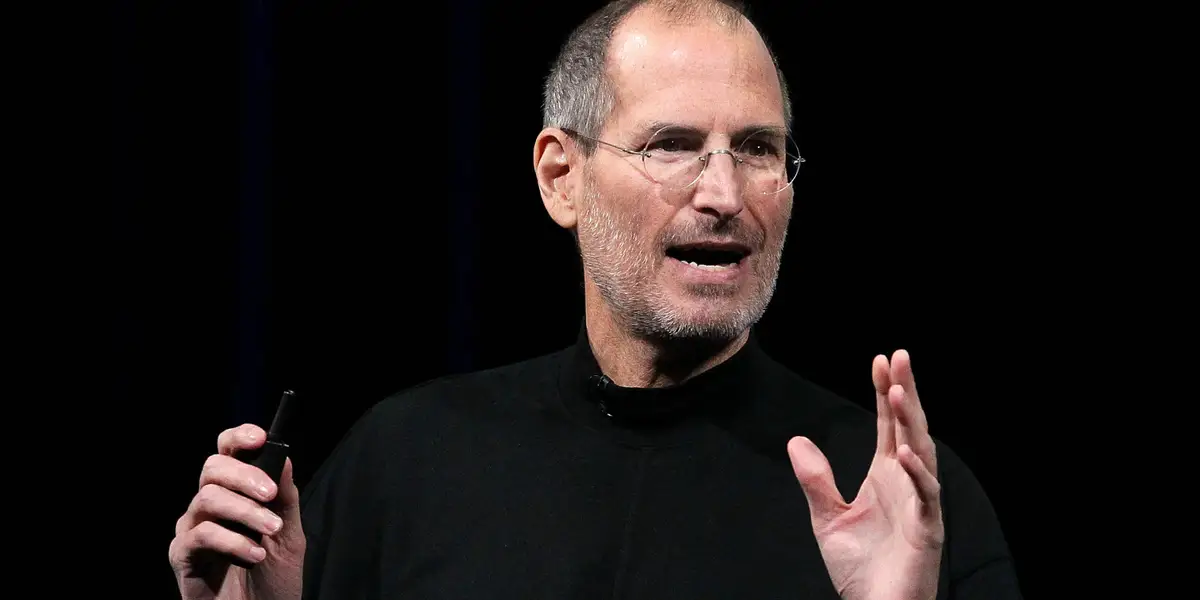
Transformative Leadership: The Strategic Legacy of Steve Jobs at Apple Inc.
🌐 CONTEXT & BACKGROUND
The inception of Apple Inc. in 1976 marked a significant turning point in the technological landscape, laying the groundwork for the digital revolution. However, it was in the late 1990s, under the guidance of Steve Jobs, that Apple truly began to redefine its identity and operational ethos. Troubled and close to bankruptcy, Apple faced a myriad of challenges, including intense competition and dwindling market share.
Jobs returned to Apple as interim CEO in 1997, determined to overhaul the company’s culture and business strategy. His return was not merely operational—Jobs aimed to instill a new cultural ethos rooted in innovation and collaboration, essential traits that had historically spurred technological advancements. The landscape before his arrival was marred by hesitance and uncertainty, a stark contrast to the vibrant and aggressive strategy that would soon dominate Apple’s approach.
The challenge was clear: to create a unified vision that would inspire creativity while driving productivity. What Jobs brought to the table transcended mere corporate restructuring; it was a blueprint for what digital wealth could be achieved through strategic leadership. This shift in mindset set the stage for transformative technological advancements, marking the beginning of what we now recognize as the era of digital leverage tools.
📊 MARKET IMPACT ANALYSIS
The influence of Jobs’ leadership style generated seismic shifts in the technology sector, delineating clear winners and losers. The direct beneficiaries? A plethora of entrepreneurs and organizations that adapted to an environment characterized by innovation and collaborative engagement. Conversely, traditional corporations, often slow to respond to change, found themselves increasingly marginalized.
Jobs’ approach catalyzed significant automation improvements across multiple sectors, from software development to project management. Industries poised for disruption include consumer electronics, software services, and even traditional retail, each struggling to adapt to a landscape increasingly dominated by tech-driven solutions.
Strategic leverage points could be identified in areas such as product development and team dynamics, where collaboration significantly enhances efficiency and speeds up the innovation cycle. Companies unable to foster this culture risk falling behind, failing to meet the evolving demands of a technology-savvy consumer base.
⚔️ COMPETITIVE COMPARISON
In assessing the competitive landscape, it’s crucial to juxtapose Jobs’ model with preceding practices and current competitors. Historically, corporate meetings leaned heavily on PowerPoint presentations, often leading to a waste of valuable time and resources. Jobs vehemently opposed this, advocating instead for authentic dialogue over presentation jargon. His unique style emphasized critical feedback and real-time brainstorming, in stark contrast to passive presentations typical of industry norms.
Competitors like Microsoft, Google, and Amazon adopt various strategies that reflect sensitivity to Agile methodology and customer-centric approaches. However, their practices often still lean on traditional models of delegation and reporting—something Jobs aimed to abolish in favor of an open platform for unfiltered discussion. Technical benchmarks show a stark contrast in operational efficiency and product delivery timelines, further illustrating the competitive edge of Jobs’ methods.
🛠️ REAL-WORLD USE CASES & MONETIZATION
Leveraging Steve Jobs’ innovative leadership model provides fertile ground for entrepreneurs eyeing immediate monetization opportunities. Here are three actionable ideas:
- ⚡ **Virtual Workshops:** Host collaborative brainstorming sessions that mimic Jobs’ no-PowerPoint philosophy, charging participants for access to strategies that drive innovation.
- ⚡ **Consulting Services:** Offer consultancy to companies aiming to transition from hierarchical structures to fluid, agile methodologies reflective of Apple’s culture, promoting accountability and unified decision-making.
- ⚡ **Online Courses:** Develop educational content focused on enhancing organizational culture through assertive communication and collaborative techniques inspired by Jobs’ meetings, catering to both startups and established businesses.
📈 DATA & TRENDS
As we survey the market dynamics post-Jobs, investment in tech culture transformation has seen a dramatic rise. The global market for digital collaboration tools is projected to reach approximately $27 billion by 2026, with a CAGR of over 20%. Adoption trends highlight that over 60% of companies are integrating automated collaborative environments, rapidly shifting from traditional workflows.
With the sense of urgency brought forth by rapid technological advancements, organizations that underestimate this market shift do so at their peril. Data indicates that firms with a strong collaborative culture outperform their competitors by over 30% in innovation metrics, underscoring the tangible benefits derived from Jobs’ leadership framework.
🧠 HUSTLEBOTICS EDITORIAL INSIGHT
Based on our strategic analysis at HustleBotics, the cultural revolution initiated by Steve Jobs serves not only as a historical reference but as a form of digital leverage. Organizations looking to thrive in the digital era must prioritize cultivating a culture reminiscent of Apple’s dynamic climate, embracing conflict as a vehicle for innovation. Leaders who echo this ethos will likely dictate the future of technological advancement.
🔮 FUTURE PREDICTIONS
Looking ahead, the next six months will reveal how well businesses adapt to Jobs-inspired leadership strategies in real time. Increased investment into culture-focused automation tools will likely emerge as critical differentiators in product innovation and consumer responsiveness.
Over the next two years, we anticipate an industry pivot where the agile and collaborative practices once espoused by Jobs become standard operating procedures across various market sectors. Those brands willing to embrace this evolution will not only survive but thrive, while those clinging to outdated structures may find themselves permanently sidelined.
❓ FAQ SECTION (SCHEMA READY)
What is the impact of Steve Jobs’ leadership style on corporate culture?
Steve Jobs’ leadership style emphasizes collaborative engagement, accountability, and real-time feedback, fostering an environment conducive to rapid innovation and strong team dynamics.
How can companies adopt Jobs’s meeting strategies?
Companies can adopt Jobs’ strategies by fostering open dialogue, minimizing reliance on presentations, and encouraging employees to voice differing viewpoints during discussions.
Can I monetize collaborative culture workshops?
Yes! By offering workshops focused on collaborative culture and innovative thinking, entrepreneurs can leverage the demand for effective team-building strategies to generate revenue.
What are the financial benefits of adopting Jobs’ approach?
Businesses that adopt a collaborative culture can expect to see improved innovation and productivity, often achieving significant competitive advantages and higher profit margins.
Is this culture shift a temporary trend?
No, as digital transformations continue, the shift towards collaborative cultures will likely become a fundamental necessity for any organization aiming for long-term sustainability and growth.
💡 Hustle Verdict
The transformative leadership style of Steve Jobs at Apple serves as a critical roadmap for organizations aiming to secure their place in an increasingly digital world. The necessity for a collaborative, innovation-driven culture is not merely a trend; it is a crucial strategy for thriving in the future.