Core Analysis: The Rise of Aviation Automation
Skyryse’s successful Series C funding round, led by Autopilot Ventures, is a clear indicator of the increasing investor confidence in aviation automation. With over $605 million raised to date, the California-based startup is not just securing capital; it is solidifying its position as a key player in a market that is on the brink of transformation. According to a recent report by the Aviation Technology Institute, the global aviation automation market is projected to grow exponentially, with a compound annual growth rate (CAGR) of 12.5% over the next five years. This growth is propelled by the demand for enhanced safety measures, cost efficiencies, and the integration of advanced technologies in flight operations.
Moreover, the interest from various sectors, including the U.S. military and emergency medical services, highlights the multifaceted applications of Skyryse’s technology. As the company approaches the conclusion of its FAA certification process, the implications extend beyond just the commercial aviation sector. A study by the Aerospace Research Council posits that the integration of automated systems in military operations could lead to significant reductions in operational risks and costs, thereby changing the dynamics of aerial missions.
Skyryse’s innovative operating system, SkyOS, is designed to simplify flight operations by replacing traditional mechanical controls with an advanced array of flight computers. This transition is indicative of a broader trend in the aviation industry, where the push towards automation is not merely about achieving full autonomy but enhancing pilot capabilities and safety. The user-friendly interface, which allows pilots to control aircraft with a simple finger swipe on a touchscreen, represents a paradigm shift in how pilots interact with their machines.
Second-Order Effects
While the immediate benefits of Skyryse’s technology are clear, the second-order effects of this investment and technological shift warrant deeper examination. One key consideration is the potential impact on pilot training and certification processes. As automated systems become more prevalent, the skillsets required for pilots may evolve, necessitating a re-evaluation of training programs. The International Aviation Training Association has suggested that future training methodologies will need to incorporate more technology-focused curricula, emphasizing the understanding and management of automated systems rather than traditional piloting skills alone.
Additionally, the integration of such advanced technologies could catalyze changes in regulatory frameworks. The FAA’s ongoing certification process for SkyOS is a testament to the complexities involved in bringing new technologies to market. As automation becomes the norm, regulatory bodies may face pressure to adapt existing regulations to accommodate these innovations, potentially leading to a more streamlined approval process for future technologies.
Furthermore, the partnership opportunities that Skyryse is pursuing with companies like United Rotorcraft and Mitsubishi Corporation could reshape competitive dynamics in the aviation sector. As more players enter the field with similar technological advancements, established aviation companies may need to innovate or collaborate to maintain their market positions. This could lead to a wave of mergers and acquisitions, as companies seek to bolster their capabilities and offerings in response to emerging competitors.
Data & Competition
The implications of Skyryse’s funding and technology cannot be overstated. As the startup positions itself at the forefront of aviation automation, it is essential to analyze the competitive landscape. The winners in this market are likely to be those who can integrate automation effectively and demonstrate tangible improvements in safety and operational efficiency.
On one hand, Skyryse’s approach to simplifying complex flight operations places it in direct competition with other notable players in the aviation technology sector. Companies like Boeing and Airbus are also investing heavily in automation technologies, but they face challenges in integrating these systems across their vast fleet of aircraft. Skyryse’s focus on a user-friendly operating system could give it an edge, particularly in markets where pilot training is a significant barrier to entry.
Conversely, the potential losers in this market shift could include traditional manufacturers that are slow to adapt. A report by the Global Aviation Industry Consortium highlights that companies failing to embrace automation may find themselves unable to compete effectively, risking obsolescence in an increasingly tech-driven market.
As Skyryse continues to make strides in its FAA certification process, the ripple effects of its advancements will be felt throughout the industry. The successful integration of SkyOS into U.S. military Black Hawk helicopters not only validates the technology but also sets a precedent for its adoption in civilian aviation.
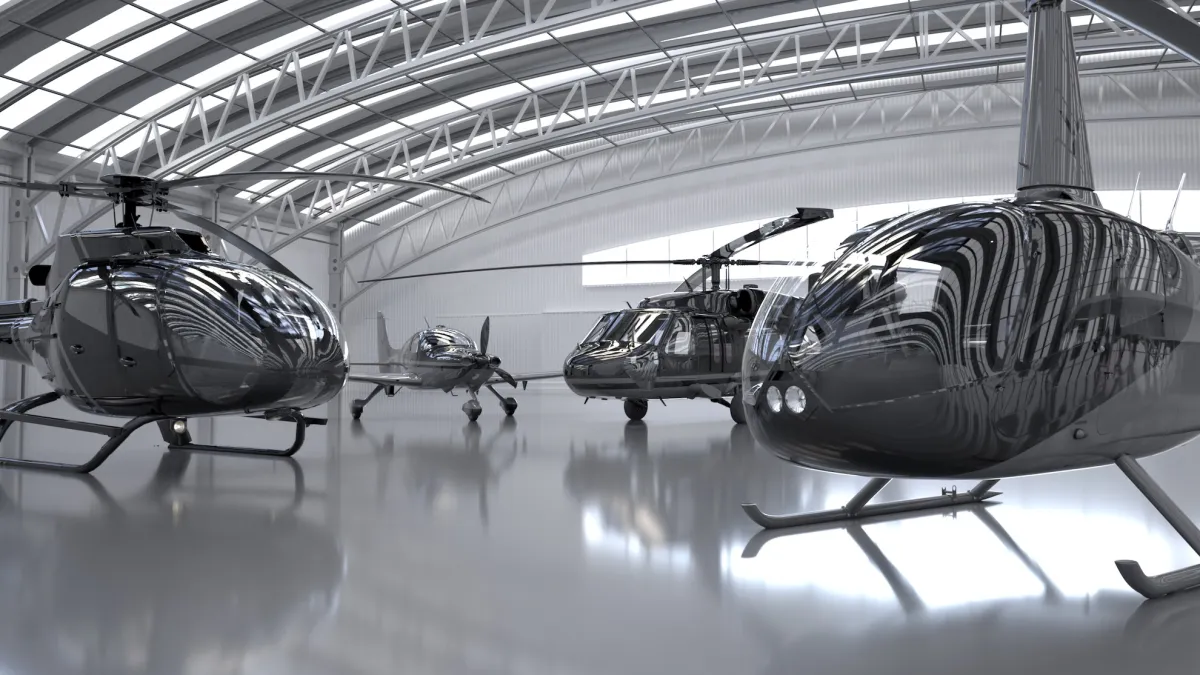
Why this visual matters: This image encapsulates the essence of aviation automation, showcasing Skyryse’s innovative technology that is set to redefine the future of flight operations. As the aviation industry embraces automation, the importance of user-friendly systems like SkyOS becomes increasingly vital for enhancing safety and efficiency.
Frequently Asked Questions
What is Skyryse’s SkyOS?
SkyOS is an advanced flight control system developed by Skyryse that automates complex flying tasks, enhancing pilot safety and operational efficiency. It simplifies flight operations through a user-friendly touchscreen interface.
How does the recent funding impact Skyryse’s operations?
The $300 million in Series C funding will accelerate Skyryse’s FAA certification process and facilitate the integration of its operating system across various aircraft, including military helicopters and commercial aviation.
What are the implications of automation in aviation?
Automation in aviation is expected to enhance safety, reduce operational costs, and evolve pilot training methodologies. It could also lead to changes in regulatory frameworks and competitive dynamics within the industry.
Who are Skyryse’s main competitors?
Skyryse competes with established aviation manufacturers like Boeing and Airbus, as well as emerging tech startups focusing on automation solutions. The competitive landscape is rapidly evolving as more companies enter the market.
Meet the Analyst
Marcus Vance, Tech Editor – With over a decade of experience in technology journalism, Marcus specializes in the intersection of innovation and industry trends, providing insights into how emerging technologies are reshaping our world.
Last Updated: March 2026 | HustleBotics Editorial Team