
Market Shift & Future Predictions
OpenAI, a leading entity in the technology landscape, has sparked discussions about its potential IPO, which could value the company at an astonishing $1 trillion. This would place OpenAI among the elite ranks of companies that have achieved such valuations during their public offerings. According to a recent report by Reuters, OpenAI is reportedly contemplating an IPO filing as early as the latter half of 2026, with initial discussions suggesting an aim to raise at least $60 billion.
Despite OpenAI’s spokesperson denying any immediate plans for an IPO, stating that “an IPO is not our focus,” the speculation has ignited conversations about the company’s financial strategies and future trajectory. The implications of this potential IPO are profound, as it could streamline OpenAI’s ability to secure funding and explore larger acquisitions, aligning with CEO Sam Altman’s vision to invest heavily in AI infrastructure.
The anticipated IPO is not merely a financial maneuver; it could redefine the investment landscape in technology. A recent report from McKinsey & Company suggests that companies in the AI sector are likely to witness a surge in investment, driven by the growing demand for innovative solutions. The report highlights that by 2030, the AI sector could contribute up to $13 trillion to the global economy, a pivotal factor that underscores the urgency for companies like OpenAI to capitalize on their market position.
Furthermore, a survey conducted by PwC indicates that investors are increasingly optimistic about the long-term prospects of AI technologies, with 70% of respondents believing that investments in this domain will yield significant returns. This sentiment aligns with the market’s current trajectory, as evidenced by the S&P 500’s reported 36% surge within the last six months, largely attributed to the excitement surrounding AI companies.
Second-Order Effects
While the immediate implications of OpenAI’s IPO are clear, the second-order effects could be even more significant. The potential listing could create a ripple effect throughout the technology industry, influencing both investor behavior and the strategic decisions of competing firms.
Firstly, the IPO could alter the competitive landscape in the tech sector. As OpenAI positions itself for growth through public funding, rival firms may feel pressured to accelerate their own innovation and investment strategies. This could lead to an arms race of sorts, where companies invest heavily in AI technologies to ensure they remain competitive. A recent report from Gartner highlights that companies that fail to adapt to AI advancements risk being left behind, emphasizing the urgency for businesses to innovate or face obsolescence.
Secondly, the anticipated influx of capital could foster an environment conducive to mergers and acquisitions within the tech space. OpenAI’s potential to leverage its stock for acquisitions could prompt other companies to consider similar strategies, leading to a wave of consolidation in the industry. The result could be a more concentrated market, where a handful of tech giants dominate, raising questions about competition and innovation.
Moreover, the IPO could influence public perception of technology companies. A successful public offering could legitimize the tech sector in the eyes of traditional investors, encouraging more conservative investors to explore opportunities in technology. This shift could lead to a broader acceptance of tech investments in mainstream portfolios, fundamentally altering the investment landscape.
Data & Competition
The landscape of tech IPOs is littered with significant players, but very few have reached the staggering heights that OpenAI is poised to achieve. The only company to launch on public markets with a valuation exceeding a trillion dollars is Saudi Aramco, which debuted in December 2019 with an initial market cap of around $1.7 trillion. In comparison, most other major IPOs have been valued under $200 billion.
For instance, Meta (formerly Facebook) raised $16 billion in its 2012 IPO, with an initial valuation of $104 billion. Visa’s IPO in 2008 was valued at approximately $36 billion. Both companies have since experienced remarkable growth, with Meta’s current market cap surpassing $1.6 trillion and Visa’s at approximately $672.5 billion. The success of these companies post-IPO illustrates the potential for substantial growth in the tech sector, especially for firms like OpenAI that are at the forefront of innovation.
Investors are keenly aware of the implications of OpenAI’s potential IPO. The tech market’s enthusiasm is palpable, especially as firms like Nvidia and Apple have recently surpassed significant market cap milestones. Nvidia became the first company to reach a $5 trillion valuation, while Apple joined the ranks of those exceeding $4 trillion. These developments signal a robust appetite for technology investments, particularly in companies that demonstrate a commitment to innovation and growth.
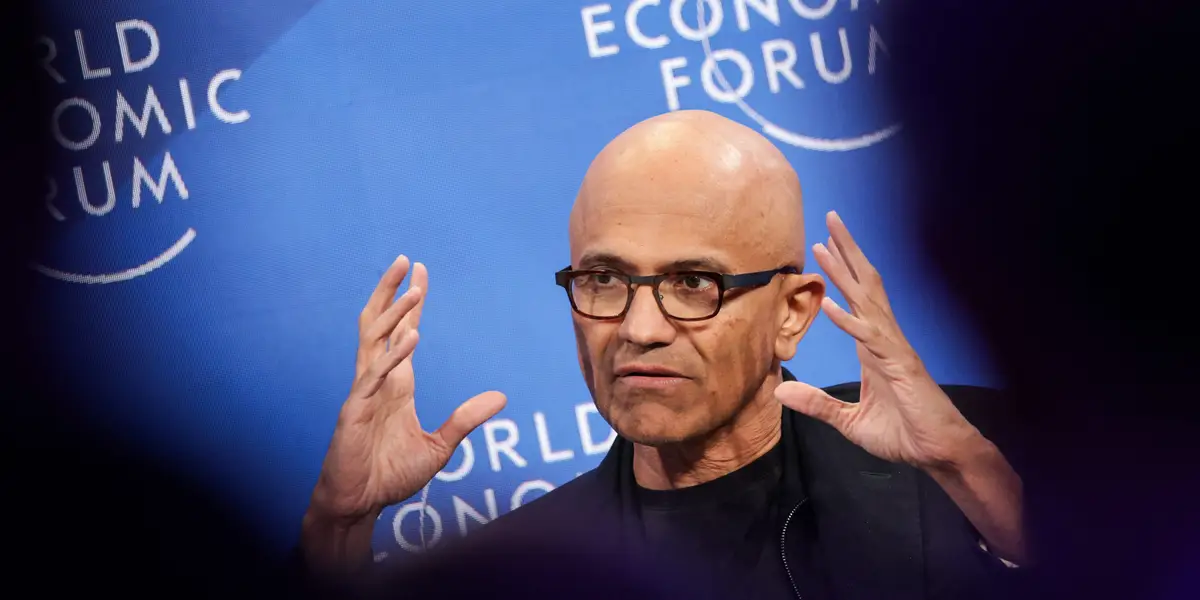
Why this visual matters: This image encapsulates the potential of OpenAI’s IPO and its impact on the tech investment landscape. Understanding the dynamics of OpenAI’s anticipated valuation and its implications for future investments is crucial for stakeholders in the technology sector.
Frequently Asked Questions
What is the significance of OpenAI’s potential IPO?
The significance lies in its potential to reshape the investment landscape in technology, setting a precedent for future tech IPOs and influencing investor behavior across the sector.
How might OpenAI’s IPO impact competitors?
The IPO could create competitive pressure on rival firms to innovate more rapidly and potentially lead to a wave of mergers and acquisitions in the tech sector.
What are the broader implications for the technology industry?
OpenAI’s IPO could legitimize tech investments in the eyes of traditional investors, fostering a more inclusive investment environment and potentially altering the market dynamics of the tech sector.
How does OpenAI’s structure differ from traditional tech companies?
OpenAI operates under a hybrid structure that includes a nonprofit division aimed at ensuring safety and ethical considerations in AI development, distinguishing it from typical profit-driven tech companies.
Meet the Analyst
Marcus Vance, Tech Editor — With over a decade of experience in technology journalism, Marcus specializes in analyzing market trends and innovations in the tech sector. His insights guide investors and industry leaders in navigating the complex landscape of technology investments.
Last Updated: March 2026 | HustleBotics Editorial Team
Alpha Command Protocol
Stay informed about the latest developments in tech investments and consider strategic opportunities to leverage OpenAI’s potential IPO for your investment portfolio.