Core Analysis: The Rise of the Product Builder
Dylan Field, the visionary co-founder and CEO of Figma, has brought attention to a compelling trend in the workplace: the merging of roles traditionally defined by strict boundaries. During his recent appearance on “Lenny’s Podcast,” he described how designers, engineers, product managers, and researchers are increasingly blurring the lines of their responsibilities. This observation is not merely anecdotal; it aligns with findings from a recent report by McKinsey, which indicated that 70% of employees in the tech sector believe that skill requirements have evolved over the past few years due to the rapid integration of new technologies.
Field’s assertion that “we are all product builders” captures the essence of this shift. According to a survey conducted by Figma, a staggering 72% of respondents indicated that the introduction of advanced tools has led them to explore responsibilities outside their predefined roles. This trend suggests that traditional job titles may soon become relics of the past, as the professional landscape evolves towards a more fluid model.
Moreover, the implications of this trend extend beyond mere role diversification. A report from Deloitte emphasizes that organizations must prioritize upskilling to remain competitive. As tasks that once required specialized expertise become accessible through user-friendly design tools, the demand for versatile professionals capable of navigating multiple domains is on the rise. Field’s insights underscore this reality, noting that even those who do not identify as designers are engaging in design tasks, with participation rates rising from 44% to 56% over the past year.
Second-Order Effects
The convergence of roles and the rise of the “product builder” model have far-reaching implications that go beyond immediate job descriptions. One of the most significant second-order effects is the impact on team dynamics and collaboration. As professionals become more versatile, the need for cross-functional teams will increase. This shift will encourage organizations to foster a collaborative culture where knowledge sharing and collective problem-solving are prioritized.
Additionally, the emergence of a generalist approach could lead to a more agile workforce. As employees become adept in multiple areas, they can more readily adapt to changing project requirements and market demands. This flexibility is particularly crucial in industries that are constantly evolving, such as technology and design. A report by Forrester suggests that companies embracing agile methodologies outpace their competitors in terms of innovation and market responsiveness.
However, there are challenges to consider. As roles become more blended, there is a risk of role ambiguity, where employees may feel uncertain about their responsibilities. Organizations will need to address this by providing clear guidelines and support for professional development. Moreover, as the demand for versatile skills increases, the importance of mentorship and coaching becomes paramount. Companies must invest in training programs that help employees navigate this new landscape effectively.
Data & Competition
The blending of roles has significant implications for market dynamics, influencing both winners and losers in the industry. Companies that recognize the value of a versatile workforce are likely to gain a competitive edge. Organizations that prioritize upskilling and encourage cross-functional collaboration will attract top talent, as professionals increasingly seek environments that foster growth and flexibility.
For instance, Figma’s own success story illustrates the benefits of this approach. As a company that champions design accessibility, Figma has positioned itself as a leader in the design software market. By empowering non-designers to engage in design tasks, they have not only expanded their user base but also cultivated a community of product builders who contribute to the platform’s evolution.
Conversely, companies that cling to rigid role definitions may find themselves at a disadvantage. As the demand for versatile skills increases, businesses that fail to adapt risk losing talent to competitors that embrace a more holistic view of employee capabilities. A recent report by Gartner highlights that organizations that invest in employee development see a 50% increase in employee retention rates, underscoring the importance of fostering a culture of continuous learning.
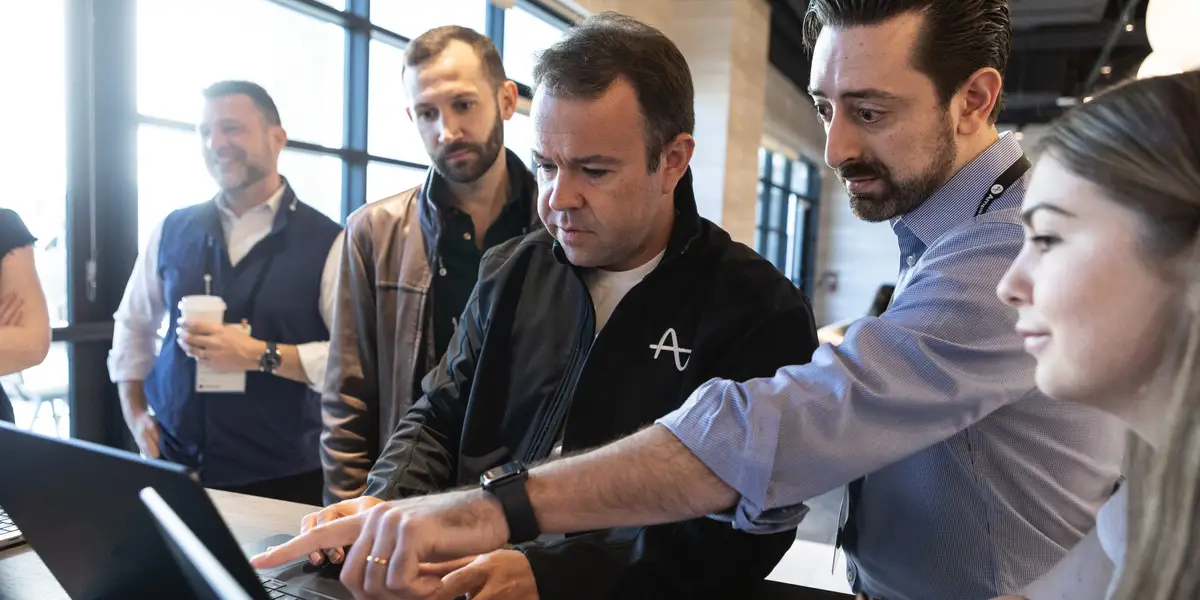
Why this visual matters: Understanding the evolution of roles into product builders highlights the importance of adaptability in today’s workforce. As professionals embrace a product builder mindset, the emphasis on versatile skills becomes crucial for fostering innovation and collaboration within teams.
The implications of this trend are profound, affecting not only individual careers but also the overall landscape of industries. As companies adapt to this new reality, they must rethink their hiring practices, training programs, and organizational structures to support a more fluid approach to roles and responsibilities.
Strategic Deployment Logic
Strategic Deployment Logic
Embrace the evolution of roles by investing in upskilling and creating a culture of collaboration within your organization.
Frequently Asked Questions
What does the trend of blending roles mean for employees?
The trend signifies a shift towards versatility, encouraging employees to acquire a broader skill set and engage in tasks beyond their traditional roles. This evolution can lead to more fulfilling career paths and greater job satisfaction.
How can organizations adapt to this new model?
Organizations can adapt by prioritizing upskilling initiatives, fostering a collaborative culture, and providing clear guidelines for role responsibilities. Investing in training programs will help employees navigate the changing landscape effectively.
What are the potential risks of this trend?
Potential risks include role ambiguity, where employees may feel uncertain about their responsibilities. Companies must address this by offering support and mentorship to help employees thrive in their evolving roles.
What industries are most affected by this trend?
Industries such as technology, design, and product development are particularly affected, as the demand for versatile skills continues to rise. Companies in these sectors must adapt to remain competitive and innovative.
Meet the Analyst
Marcus Vance, Tech Editor, is a seasoned analyst with over a decade of experience in the technology sector. His insights focus on emerging trends and their implications for the workforce.
Last Updated: March 2026 | HustleBotics Editorial Team