Unlocking Revenue Potential: HomeBoost’s Disruptive Approach
HomeBoost, co-founded by Selina Tobaccowala, represents a fresh approach to home energy assessments. With the growing emphasis on sustainability, the startup addresses a pressing consumer need: the desire for actionable insights into utility savings. According to a report by the U.S. Department of Energy, residential energy consumption accounts for approximately 21% of total energy use in the United States, highlighting a substantial market opportunity for solutions that enhance energy efficiency.
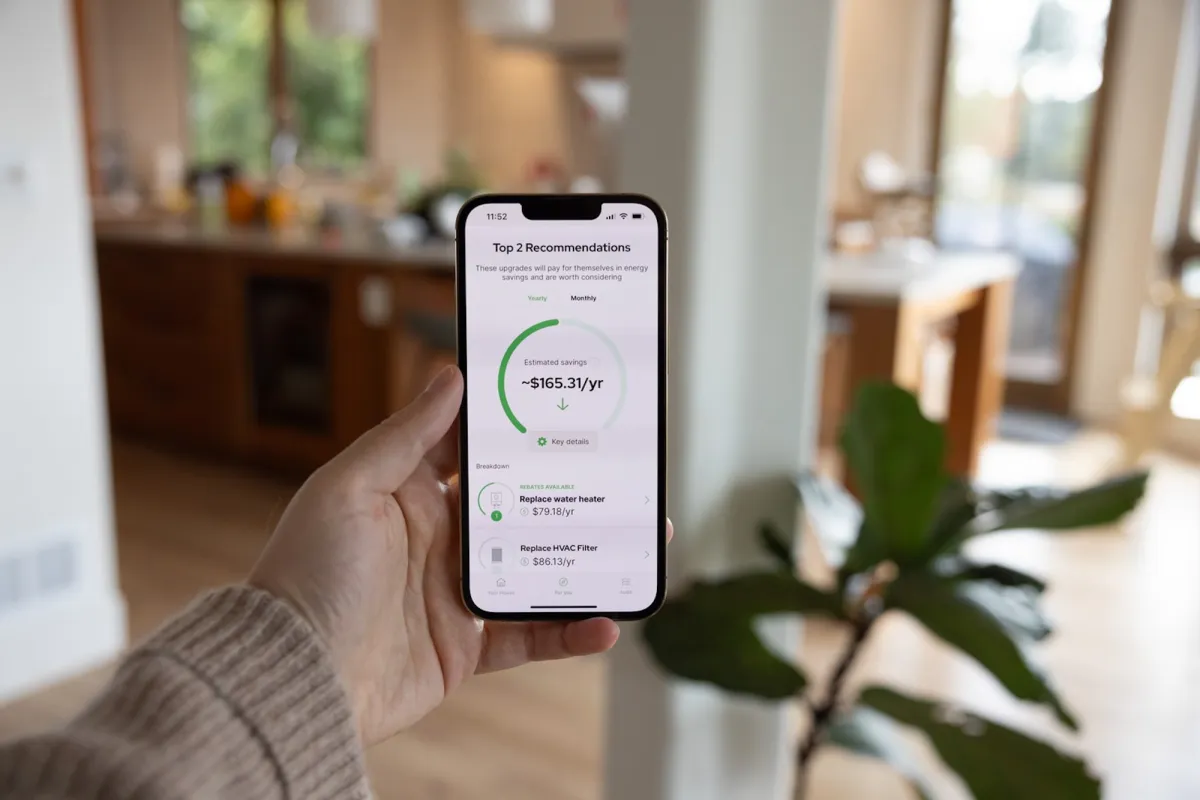
The HomeBoost app allows consumers to conduct their own energy assessments using a compact kit known as BoostBox. This kit, which includes an infrared camera and a blacklight, empowers users to identify areas in their homes where energy is being wasted. The app then processes the data collected, generating a report that outlines cost-effective improvements and potential rebates based on the user’s location. The model not only democratizes access to energy assessments but also positions HomeBoost as a disruptor of traditional auditing practices, which can often be costly and less transparent.
Moreover, HomeBoost’s pricing strategy is notable. At $99 for the BoostBox, the service is approximately 75% cheaper than standard energy audits. Such affordability is crucial in appealing to a broader consumer base, particularly for entrepreneurs operating on tight budgets. A recent report from the Energy Efficiency Alliance indicated that small businesses can save an average of 20% on energy costs by implementing energy efficiency measures, further underscoring the relevance of HomeBoost’s offering in today’s market.
Second-Order Effects
The emergence of HomeBoost is not just about providing a tool for energy efficiency; it has far-reaching implications for various stakeholders in the energy ecosystem. One of the most significant second-order effects is the potential shift in consumer behavior regarding energy consumption. As homeowners become more empowered to assess their energy usage, we may see a heightened awareness of energy efficiency practices across the board. This could lead to a cultural shift where sustainability becomes a priority for many households, thereby influencing market demand for energy-efficient appliances and home upgrades.
Furthermore, the collaboration between HomeBoost and utility companies can reshape the energy landscape. By subsidizing the cost of HomeBoost’s service, utilities can incentivize consumers to engage in energy-saving practices, which ultimately benefits the grid by reducing peak demand. A study by the International Energy Agency projected that widespread adoption of energy efficiency technologies could reduce global energy demand by 10% by 2030. This implies that HomeBoost’s model could contribute significantly to achieving such targets, positioning it as a strategic partner for utilities looking to meet sustainability goals.
On the contractor side, the introduction of a professional version of HomeBoost’s app could lead to increased business opportunities for energy auditors and contractors. By allowing auditors to serve a larger client base, HomeBoost can facilitate a more efficient market for energy assessments and upgrades. Contractors can leverage the app to gather critical information before visiting homes, streamlining the process and allowing for more accurate project estimates. This not only enhances the contractor’s efficiency but also builds trust with consumers who are increasingly discerning about service quality.
Data & Competition
The HomeBoost model presents a compelling case study in the intersection of technology and sustainability. As it carves out its niche, it faces competition from traditional energy auditing firms and emerging tech-driven solutions. While traditional auditors often focus on upselling HVAC systems, HomeBoost positions itself as a consumer-centric alternative, providing actionable insights without the pressure of upselling.
Analyzing the competitive landscape, we find that HomeBoost’s pricing strategy is a significant differentiator. While conventional audits can range from $300 to $1,000, the affordability of HomeBoost’s service opens up the market to a wider audience, including renters and low-income households who may previously have felt excluded from energy efficiency initiatives. A report from the American Council for an Energy-Efficient Economy indicates that low-income households spend a higher percentage of their income on energy bills, making solutions like HomeBoost not just beneficial but necessary for economic equity.
Additionally, partnerships with utility companies enhance HomeBoost’s market position. For example, Omaha Public Power District and Central Hudson are subsidizing the cost of the BoostBox, effectively reducing the financial barrier for consumers. This collaboration not only expands HomeBoost’s reach but also aligns with utility companies’ goals to reduce energy consumption and improve customer satisfaction.
Why this visual matters: This image highlights HomeBoost’s innovative utility savings solutions, showcasing how their app empowers homeowners to take control of their energy efficiency. By leveraging technology, HomeBoost is revolutionizing energy assessments and making sustainability accessible to everyone.
In summary, HomeBoost is poised to disrupt the traditional energy auditing market by offering a more affordable, consumer-friendly alternative that benefits both homeowners and utility companies. As the company continues to innovate and expand its partnerships, it will likely set a new standard for energy efficiency solutions in the residential sector.
Alpha Command Protocol
Explore the HomeBoost app today to unlock your home’s revenue potential and contribute to a more sustainable future!
Frequently Asked Questions
What is HomeBoost?
HomeBoost is a startup that offers an app and a BoostBox kit, enabling homeowners to conduct their own energy assessments and identify potential utility savings.
How does the HomeBoost app work?
The app guides users through the assessment process using tools like an infrared camera and a blacklight to identify energy leaks. It then generates a report with recommendations for cost-effective improvements.
Is HomeBoost affordable compared to traditional energy audits?
Yes, HomeBoost charges $99 for its service, significantly lower than traditional audits, which can range from $300 to $1,000.
How do utility companies support HomeBoost?
Utility companies partner with HomeBoost to subsidize costs for consumers, helping to promote energy efficiency while reducing their overall energy demand.
Meet the Analyst
Marcus Vance, Tech Editor, is a seasoned analyst with over a decade of experience in energy technology and sustainability. He specializes in examining market trends and innovations that drive efficiency in residential and commercial sectors.
Last Updated: March 2026 | HustleBotics Editorial Team