
Core Analysis & Source Attribution
Roblox has long been at the forefront of user-generated content, providing a platform where creativity knows no bounds. The introduction of the open beta for its 4D creation feature signifies a pivotal shift in how creators can interact with their digital environments. According to a report from Newzoo, the global gaming market is projected to reach $218.7 billion by 2024, driven largely by advancements in technology and user engagement tools. The launch of 4D creation aligns perfectly with this trend, allowing creators to design interactive objects that respond to player actions—an essential evolution for a platform that thrives on user creativity.
The 4D creation feature allows developers to craft dynamic experiences, moving beyond static 3D models to fully functional interactive objects. As stated by Roblox CEO David Baszucki, the ability to create objects that not only exist but also move and interact enhances the gaming experience significantly. The initial templates, or schemas, such as the “Car-5” and “Body-1,” provide a foundation for creators to build upon, fostering innovation within the community. This transformative capability could lead to a surge in unique gaming experiences, as creators experiment with the newfound possibilities.
Future reports from industry analysts indicate that the success of this feature may lead to a broader adoption of similar interactive design tools across other gaming platforms. As competitive pressure mounts, companies may be compelled to enhance their own offerings, leading to a richer, more diverse gaming ecosystem.
What Most People Miss: Second-Order Effects
While the immediate implications of the 4D creation feature are evident—enhanced interactivity and user engagement—there are deeper, second-order effects that may reshape the industry landscape. One significant aspect is the democratization of game development. By enabling users to create complex, interactive objects with relative ease, Roblox is lowering the barrier to entry for aspiring game developers. This could lead to an influx of new talent into the industry, as individuals with diverse backgrounds and skill sets can now bring their ideas to life without needing extensive programming knowledge.
Moreover, as more creators leverage these tools, we may witness a shift in the types of content that dominate the platform. With the ability to design unique, responsive objects, the focus could shift from merely creating games to crafting entire ecosystems within which players can interact. This could lead to new genres of gaming experiences that blend traditional gameplay with interactive storytelling, ultimately changing how users engage with digital content.
Additionally, the emphasis on interactivity may influence how players perceive and interact with virtual environments. As players become accustomed to more dynamic experiences, their expectations for other gaming platforms may evolve, potentially driving a market-wide shift toward more interactive designs. This could pressure other gaming companies to innovate rapidly to keep pace with user expectations, leading to an overall increase in quality and creativity across the industry.
Data & Competition
The launch of Roblox’s 4D creation feature is poised to impact various stakeholders within the gaming ecosystem, leading to a clear delineation between winners and losers. On one hand, Roblox stands to gain immensely from increased user engagement and retention, as creators explore the innovative possibilities of the 4D framework. This could solidify Roblox’s position as a leader in the user-generated content space, especially as it continues to expand its capabilities.
However, traditional gaming companies may find themselves at a disadvantage if they fail to adapt to the changing landscape. As more users flock to platforms that offer enhanced creative tools, companies that prioritize static game design may struggle to attract and retain players. This shift could catalyze a wave of mergers and acquisitions within the industry, as established companies seek to acquire innovative platforms or technologies to enhance their offerings.
Furthermore, the rise of user-generated content through tools like Roblox’s 4D creation feature may lead to increased competition among content creators. As the barrier to entry lowers, more individuals will enter the market, resulting in a saturation of content. This could create challenges for creators in terms of visibility and monetization, necessitating new strategies to stand out in a crowded marketplace.
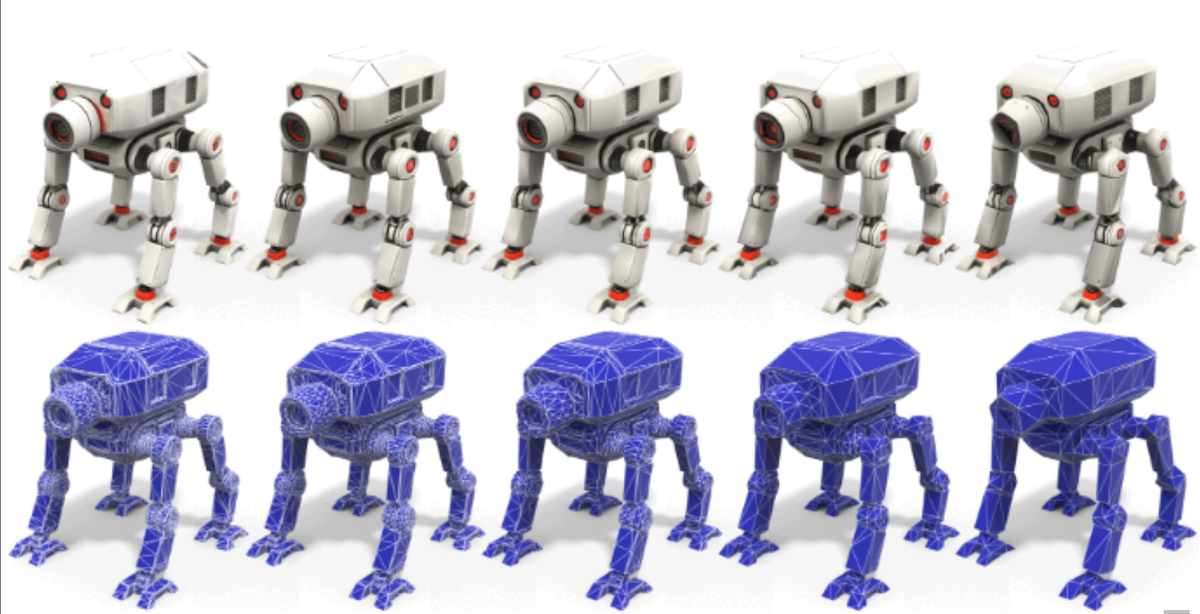
Why this visual matters: This image highlights the innovative Roblox 4D creation feature, showcasing the interactive gaming experience that shapes user engagement. As the gaming landscape evolves, understanding tools like Roblox’s 4D creation becomes crucial for aspiring creators and developers alike.
Frequently Asked Questions
What is the 4D creation feature in Roblox?
The 4D creation feature allows creators to design interactive objects that respond to player actions, enhancing gameplay experiences. It expands upon traditional 3D modeling by introducing movement and interactivity.
How does this feature impact game development?
This feature democratizes game development by lowering the barrier to entry, enabling more individuals to create complex games without extensive programming knowledge. It also encourages innovation and experimentation within the gaming community.
What are the implications for competing gaming platforms?
As Roblox enhances its offerings, other gaming companies may feel pressured to innovate their platforms to retain users. This could lead to a broader trend of interactive and user-generated content across the gaming industry.
What future developments can we expect from Roblox?
Roblox plans to allow creators to develop their own schemas, which will provide even greater freedom in defining object behaviors. The company is also exploring new technologies to assist in game creation, such as real-time dreaming.
Meet the Analyst
Marcus Vance, Tech Editor – Marcus has a decade of experience covering the intersection of technology and gaming. His insights into industry trends provide a unique perspective on the evolving landscape of digital content creation.
Last Updated: March 2026 | HustleBotics Editorial Team