Unleashing Investment Titans: The Power of Strategic Collaboration in Venture Capital
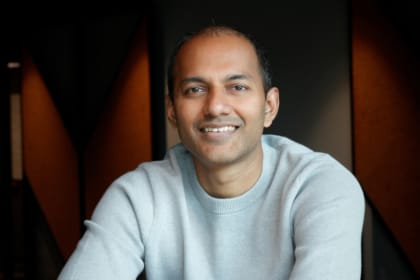
The venture capital industry is witnessing a seismic shift as three prominent figures join forces to redefine investment strategies. Ethel Chen, Jeremy Kranz, and Karan Sharma, all with extensive backgrounds at Singapore’s $800 billion sovereign wealth fund GIC, are not just looking to replicate past successes with companies like DoorDash, Uber, and Zoom. Instead, they are aiming to usher in a new era where groundbreaking companies can emerge from unexpected corners of the globe.
A recent report from the National Venture Capital Association (NVCA) indicates that the venture capital landscape has diversified significantly, with investments spreading beyond traditional hotspots like Silicon Valley. This aligns with the vision of the new collaborative trio, who emphasize the importance of team chemistry and strategic alignment among founding teams. “Great venture teams are like great bands,” Chen asserts, highlighting that success hinges on the ability of these teams to innovate at the intersection of technology and commerce.
The New Venture Playbook
In their pursuit of the next billion-dollar idea, the trio employs a unique playbook that prioritizes synergy and strategic foresight. By focusing on founders who are innovating at the convergence of emerging technologies, they are setting a new benchmark for investment strategies. Their emphasis on team dynamics and shared vision is echoed in a recent study from PitchBook, which found that collaborative teams are more likely to produce successful outcomes in startup ventures.
The SWAT Team Model
Founded in 2022, Sentinel Global embodies a philosophy of precision and efficiency. Kranz describes the firm as a “SWAT team model,” favoring experienced professionals over large junior staff. This approach not only streamlines decision-making but also enhances the quality of research and analysis conducted for each investment.
With a commitment to fewer than ten investments annually, each ranging from $5 million to $30 million, Sentinel Global is focused on maintaining significant ownership stakes in its portfolio companies. This strategy aligns with findings from a Deloitte report, which suggests that firms with concentrated ownership often see higher returns on investment due to improved governance and strategic alignment.
The Lean Era of Investment
The rise of technology has fundamentally altered the operational dynamics of startups, enabling them to thrive with leaner budgets. Kranz notes that the integration of cutting-edge technologies allows many prospective unicorns to emerge with a fraction of the funding previously deemed necessary. This shift signifies a profound change in how entrepreneurs approach their business models and funding strategies.
As the landscape evolves, a report from McKinsey indicates that companies leveraging advanced technologies can significantly reduce operational overhead, allowing them to scale more efficiently. This aligns with the new investment philosophy that embraces lean operations while still aiming for impactful growth.
Why Geography No Longer Matters
Traditionally, venture capital has been closely associated with specific geographic regions, particularly Silicon Valley. However, the collaborative trio believes this paradigm is shifting. “The pendulum is going to swing back,” Kranz states, suggesting that investment opportunities are expanding globally.
Sentinel Global is actively scouting for dynamic startups in regions where resourcefulness is celebrated, underscoring a growing trend toward recognizing entrepreneurial potential outside conventional hubs. A report from the Global Entrepreneurship Monitor (GEM) reinforces this sentiment, indicating that entrepreneurship is flourishing in emerging markets, presenting untapped opportunities for savvy investors.
Keeping Ownership Front and Center
A critical lesson from seasoned investors like Michael Moritz of Sequoia Capital is the importance of ownership percentage. Kranz cautions against the allure of large check sizes, advocating instead for a focus on maintaining significant stakes in portfolio companies. This approach is supported by research from Harvard Business Review, which highlights that firms prioritizing ownership often achieve greater long-term returns.
By measuring ownership percentages as a key metric, investors can better position themselves for sustained success in an increasingly competitive landscape.
Second-Order Effects
While the immediate implications of this new venture capital collaboration are clear, the second-order effects warrant deeper examination. The shift towards a leaner, more globally focused investment strategy may not only democratize access to capital but also redefine what it means to be a successful entrepreneur in the modern landscape.
For instance, as emerging markets gain traction, we may witness a surge in innovative solutions tailored to local challenges, leading to a diversification of products and services available on a global scale. This could disrupt established players who are slow to adapt, creating a ripple effect throughout the industry.
Furthermore, the emphasis on team dynamics and strategic ownership may drive a cultural shift within startups, fostering environments that prioritize collaboration and shared vision over individual accolades. As more investors adopt these principles, we could see a transformation in how startups are structured and operate, ultimately benefiting the broader ecosystem.
Why this visual matters: This visual encapsulates the evolving landscape of venture capital trends and investment strategies, highlighting the potential for significant shifts in how companies are funded and nurtured. By understanding these dynamics, investors can better position themselves to capitalize on emerging opportunities.
Data & Competition
As the venture capital landscape transforms, the implications for market competition are profound. The collaborative approach adopted by Sentinel Global positions them uniquely against traditional investment firms that may still rely on outdated models.
Winners in this new environment will likely be those who can adapt quickly to the changing dynamics. Emerging startups that embrace lean operations and innovative business models will find themselves in a favorable position for securing funding. Conversely, established firms that cling to traditional investment strategies may struggle to keep pace with the rapidly evolving market.
A recent analysis from PitchBook highlights that venture capital investment in diverse regions is on the rise, with a notable increase in funding directed toward startups outside traditional tech hubs. This trend not only signifies a shift in investor sentiment but also points to a broader recognition of the global entrepreneurial spirit.
Additionally, the focus on ownership percentages is likely to reshape competitive dynamics. Firms that prioritize maintaining significant stakes in their portfolio companies will likely achieve better long-term returns, forcing competitors to reevaluate their investment strategies.
Frequently Asked Questions
What is the significance of the new venture capital collaboration?
The collaboration among seasoned venture capitalists represents a shift towards innovative investment strategies that prioritize team dynamics, global reach, and ownership percentages, potentially reshaping the entire investment landscape.
How does the lean era of investment impact startups?
The lean era allows startups to thrive on lower budgets, enabling them to scale efficiently and reducing the barriers to entry for new companies seeking funding.
Why is geographic focus shifting in venture capital?
The traditional concentration of venture capital in specific regions is evolving, with investors increasingly recognizing the potential of dynamic startups in emerging markets and non-traditional hubs.
What are the implications of ownership percentages in investments?
Focusing on ownership percentages allows investors to maintain significant stakes in their portfolio companies, leading to better long-term returns and improved governance.
Meet the Analyst
Marcus Vance, Tech Editor – With over a decade of experience in technology journalism, Marcus specializes in analyzing the intersection of venture capital and innovation. His insights have been featured in leading industry publications.
Last Updated: March 2026 | HustleBotics Editorial Team