The Electric Vehicle Landscape: A Battle for Survival
As we delve into 2023, the electric vehicle industry has transformed into a battleground where traditional automotive giants clash with ambitious startups. The stakes are high, and the competition is fierce. According to a recent report by McKinsey & Company, the global EV market is projected to reach $5 trillion by 2030, driven by increasing consumer demand and governmental regulations aimed at reducing carbon emissions. However, this growth is not without its challenges. The financial health of companies within this space is under scrutiny, particularly as they navigate the tumultuous waters of production scaling and profitability.
Rivian, a company that once held great promise, is now facing significant headwinds. The company’s latest financial report indicates a gross loss of $412 million and an operating loss of $1.29 billion as of Q2 2023. These figures not only reflect Rivian’s struggles but also point to a broader trend within the EV sector, where companies are grappling with high production costs and the need for substantial investment to sustain operations. A report from Deloitte suggests that up to 60% of EV startups may not survive the next five years unless they can secure additional funding and streamline their operations.
Second-Order Effects
The implications of Rivian’s financial struggles extend far beyond the company itself. As one of the prominent players in the EV market, its challenges can have ripple effects throughout the industry. For instance, Rivian’s decision to liquidate costs may lead to a reduction in workforce, which could further impact supplier relationships and disrupt the supply chain. This scenario is not unique to Rivian; similar trends can be observed across the industry, where companies are forced to make tough decisions to remain solvent.
Moreover, the ongoing subsidy debates and tensions related to China’s role in the EV supply chain could exacerbate these challenges. The reliance on government subsidies creates a precarious balance, where companies must continually prove their worth to investors while navigating political landscapes. This uncertainty can deter new entrants from entering the market, leading to a consolidation of power among established players.
Investors should also be wary of the potential for market saturation. As more companies vie for consumer attention, the competition may lead to aggressive pricing strategies that could further erode profit margins. A recent analysis by Bloomberg New Energy Finance indicates that if current trends continue, the market could see a significant oversupply of EVs by 2025, which would force many companies to rethink their business models.
Winners, Losers, and Market Impact
The current landscape of the electric vehicle market is characterized by a clear division between winners and losers. Companies that can effectively manage their cash flow and production costs are likely to emerge stronger, while those unable to adapt may face dire consequences.
Tesla remains a dominant force in the market, with its established brand and ability to scale production efficiently. The company’s recent quarterly report showed a significant increase in vehicle deliveries and a rebound in profitability, positioning it as a leader in the EV space. In contrast, Rivian’s financial struggles highlight the challenges that newer entrants face in achieving similar success.
Moreover, the competition is not limited to traditional automakers and startups. Tech giants like Apple and Google are also eyeing the EV market, potentially disrupting the status quo with their technological expertise and deep pockets. As these companies continue to invest in electric mobility, traditional players must adapt quickly or risk being left behind.
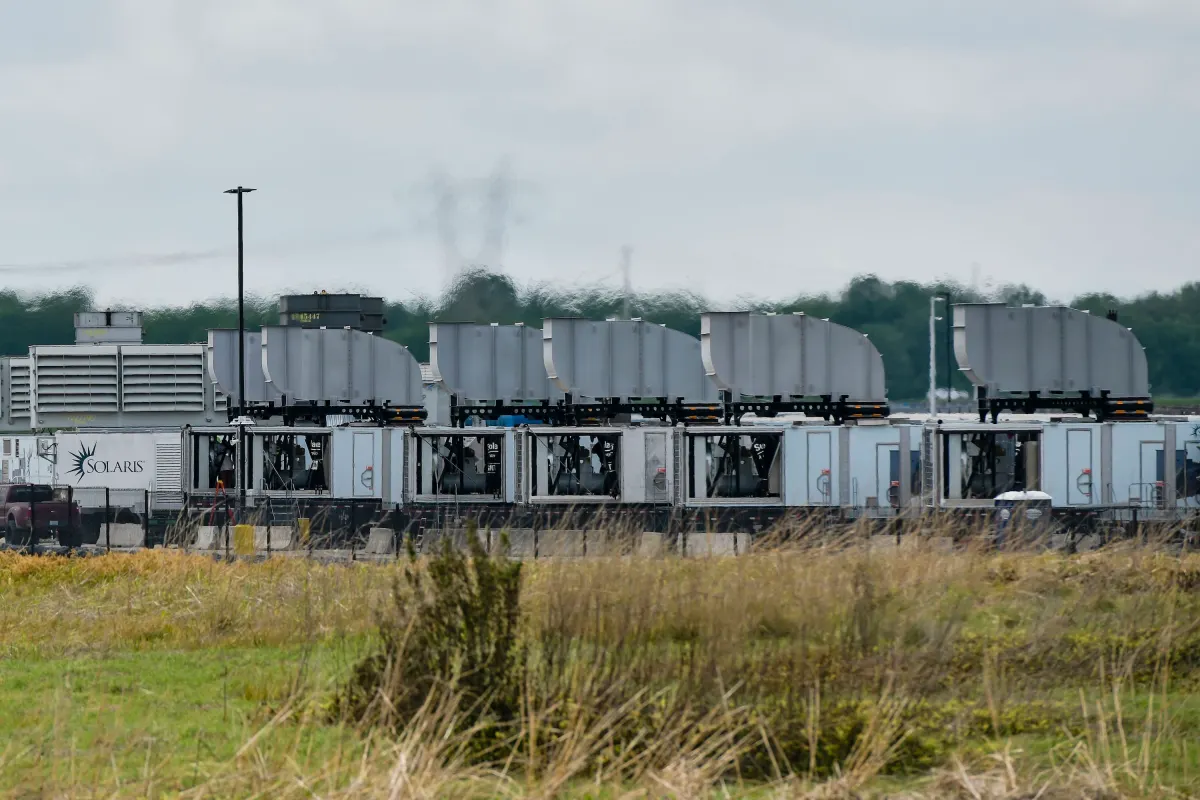
Why this visual matters: This image illustrates the financial struggles of Rivian within the electric vehicle market, emphasizing the broader disruption facing the industry. Understanding Rivian’s challenges provides crucial insights into the evolving landscape of electric mobility.
The impact of Rivian’s liquidation moves is significant. It not only raises questions about the company’s viability but also highlights the precarious nature of the EV market. Investors must remain vigilant and informed about the financial health of companies they choose to support. The volatility of the sector means that decisions made today could have far-reaching consequences tomorrow.
Frequently Asked Questions
What challenges do electric vehicle companies face?
EV companies grapple with high production costs, cash flow issues, and the challenge of achieving profitability while competing against both established brands and new entrants.
How are electric vehicle profits structured?
Companies initially post significant losses but aim for long-term growth and profitability as production scales and operational efficiencies improve.
Why is China vital to the EV industry?
China dominates the global battery supply chain, affecting production costs, supply availability, and market competitiveness for EV manufacturers worldwide.
Meet the Analyst
Marcus Vance, Tech Editor – With over a decade of experience in technology analysis, Marcus specializes in disruptive industries and their economic implications. His insights aim to guide investors through the complexities of rapidly changing markets.
Last Updated: March 2026 | HustleBotics Editorial Team