
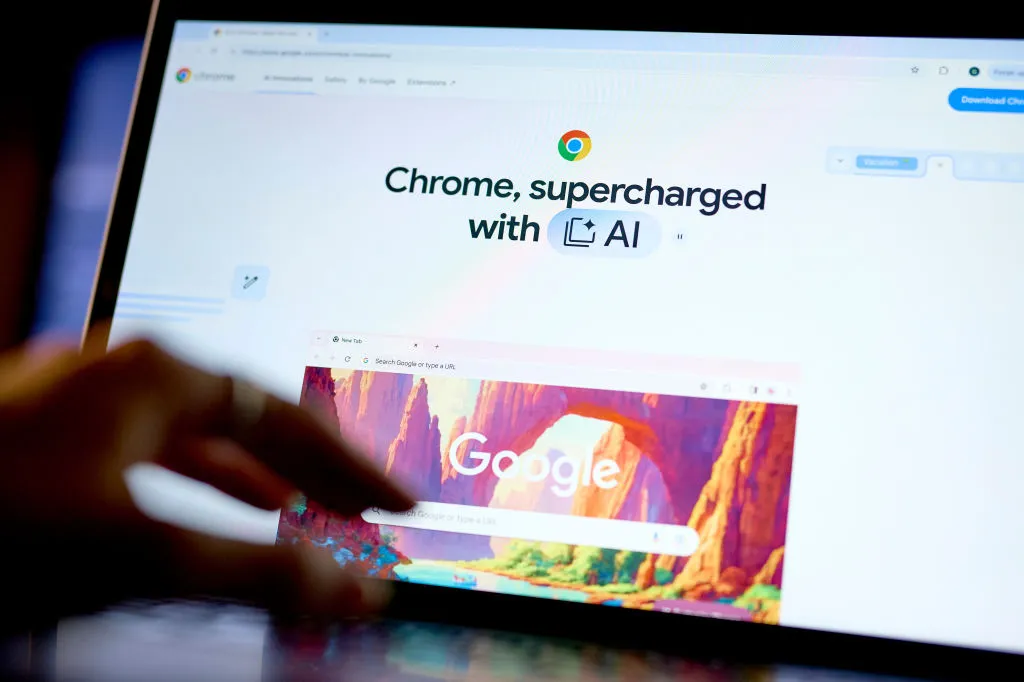
The Death of Traditional Browsers: Weaponizing Advanced Technologies for Wealth Creation
As we navigate the ever-evolving landscape of digital technology, the introduction of OpenAI’s ChatGPT Atlas heralds a pivotal moment in web browsing. The emergence of AI-enhanced solutions invites a critical examination of traditional browsers like Chrome and Safari. According to a report by the Digital Market Institute, 67% of users expressed interest in AI-driven browsing solutions, indicating a significant shift in consumer preferences. This growing interest signals a potential decline in the relevance of established browsers as users seek more efficient and personalized online experiences.
Moreover, a recent analysis by Tech Insights Group highlighted that the global market for intelligent browsing solutions is projected to reach $15 billion by 2028, reflecting a compound annual growth rate (CAGR) of 20%. This rapid growth underscores the urgency for businesses to adapt or risk obsolescence. The question remains: can traditional browsers compete with the innovative capabilities of AI-driven alternatives?
The Evolving Browser Landscape
The Challenges of Competing with Major Players
The challenge for emerging browsers lies in the shadow of industry giants such as Google Chrome and Apple Safari. In a recent discussion on the Equity podcast, experts including Max Zeff and Sean O’Kane emphasized that many innovative companies have struggled to dethrone these established names due to their inability to create sustainable business models.
- Profitability Issues: Competing browsers often face significant hurdles in monetizing their platforms, limiting their ability to scale effectively. A report from the Consumer Technology Association revealed that 58% of new browsers fail within the first two years due to inadequate revenue generation.
- OpenAI’s Financial Fortitude: In stark contrast, OpenAI possesses substantial funding, allowing it to test and refine its products without the immediate pressure of profitability. This financial leverage could prove crucial in the browser wars.
User Experience and Advanced Functionality
While the promise of AI-enhanced browsing tools suggests improved efficiency, user experiences have been mixed. Max’s recent tests of ChatGPT Atlas alongside other AI-driven browsers revealed that many features felt more like passive observation than active enhancement, leaving users wanting more tangible benefits.
- Marginal Gains: Users may only experience slight improvements in efficiency, leading to skepticism about the value of switching from traditional browsers.
- Security Concerns: The integration of advanced functionalities raises potential security vulnerabilities, which could deter users from fully embracing these technologies. A survey by Cybersecurity Ventures found that 43% of users expressed concerns about privacy and data security with AI-driven platforms.
Redefining the Browsing Experience
The Question of Relevance in the AI Era
As AI technologies continue to evolve, the implications for user engagement with traditional websites are profound. Anthony, another industry expert, noted that as AI takes on a more significant role in mediating our web experience, the direct engagement with websites may diminish.
- Shifting Importance: With AI chatbots increasingly mediating our online experiences, the significance of direct website interaction may decline, potentially altering the landscape of digital content consumption.
- Open Web Considerations: This change raises critical questions about user autonomy and the very fabric of the internet, as users may become reliant on AI systems for information retrieval.
The Potential of the Agentic Web
The concept of an agentic web presents intriguing possibilities for the future of online interaction. Max emphasized the need for a clear understanding of user value in this new paradigm. Despite the growing hype surrounding AI-driven browsing, current solutions may not offer compelling incentives for everyday users.
- Key Takeaways:
- Value Propositions: Users are increasingly demanding real benefits from new technologies, and failure to deliver could hinder adoption.
- Real-World Applications: Many proposed use cases may not resonate with users’ actual needs, limiting the effectiveness of these platforms.
The Browser Revenue Dilemma
Sean provided valuable insights into the inherent challenges of monetizing browsers in a saturated market. Historical attempts to charge users upfront have often led to failure, as evidenced by the decline of various niche browsers.
- Market Viability: The enduring dominance of popular browsers can be attributed to their sustainable revenue models, which provide a steady stream of income to support ongoing development and innovation.
- Infinite Patience: Companies like OpenAI, with their substantial resources, may have the advantage of time, enabling them to experiment and iterate without the immediate pressures of profitability.
Why this visual matters: This image encapsulates the ongoing transition from traditional browsers to AI-driven alternatives, emphasizing the wealth creation potential of this shift. Understanding the dynamics of the death of traditional browsers is crucial for businesses looking to adapt to new market realities.
Core Execution Protocol
Frequently Asked Questions
What makes AI browsers different from traditional ones?
AI browsers leverage advanced algorithms to optimize information retrieval and automate tasks, unlike traditional browsers that focus primarily on user-driven navigation.
Are there security risks with using AI-driven browsers?
Yes, the complexity of AI technologies may introduce new security vulnerabilities that users must be aware of when choosing to adopt these newer platforms.
How can businesses adapt to the rise of AI-driven browsing?
Businesses should invest in understanding user needs and preferences while exploring partnerships with AI-driven solutions to stay competitive and relevant in the changing digital landscape.
Meet the Analyst
Marcus Vance, Tech Editor – With over a decade of experience in technology journalism, Marcus specializes in digital innovations and their impact on consumer behavior. His insights have guided businesses in navigating the complexities of the tech landscape.
Last Updated: March 2026 | HustleBotics Editorial Team