Capitalizing on Impact: The Future of Profitable Tech Startups
In a rapidly evolving digital landscape, outdated business models are fading, paving the way for exhilarating opportunities that blend profitability with purpose. The era of tech startups that merely chase financial gain is slipping into history as a new paradigm rises—one where businesses thrive by also making a meaningful impact in the world. This transformation ignites the potential for innovation that is both financially lucrative and socially responsible, enabling savvy entrepreneurs to capitalize on this dual focus.
The Profitable Paradigm Shift in Tech Startups
The narrative around startups has traditionally revolved around growth and valuation metrics. However, an emerging trend emphasizes that businesses can achieve financial success while addressing the social and environmental challenges that our world faces today. According to a report by the Global Impact Investing Network (GIIN), impact investing has grown to over $715 billion in assets under management, highlighting the increasing investor interest in startups that prioritize social responsibility.
From Metrics to Mission: The Shift in Focus
Once considered the ultimate measure of success, financial results are no longer the sole indicators of a startup’s value. Customers, investors, and stakeholders are increasingly seeking companies that couple profitability with a purpose. This sentiment was echoed during the recent Disrupt 2024 conference, where industry leaders discussed how startups can redefine success through mission-driven approaches.
- Sustainability: Companies that prioritize sustainable practices are seeing increased consumer loyalty.
- Social Impact: Startups that address pressing social issues tend to attract a diverse customer base and impact investment capital.
- Attracting Talent: Innovative companies that drive positive change find it easier to recruit top talent driven by values and purpose.
Key Insights from Industry Leaders at Disrupt 2024
At Disrupt 2024, visionaries like Glacier co-founder and CTO Areeb Malik, SkyRiver Ventures general partner Hyuk-Jeen Suh, and Vibrant Planet CEO Allison Wolff delved into how tech startups can play a pivotal role in making the world a better place without sacrificing profitability. Malik emphasized that the metrics of success should encompass social responsibility, while Suh highlighted the rise of “impact investments,” where funds are allocated to ventures that generate tangible social benefits alongside financial returns. Wolff noted, “Tech startups have the unique advantage of leveraging technology for environmental and social good—this is not merely a trend, it’s a necessity.”
The Road Ahead: Why Responsible Tech Matters
As we embrace this new model, understanding its implications is critical for entrepreneurs aiming to align their missions with market demands. The need for responsible tech is underscored by a report from McKinsey, which predicts that companies with a strong focus on sustainability and social impact could see their revenues increase by 10-20% over the next decade.
The Case for Intentional Entrepreneurship
Building a startup focused on positive impact leads to sustainable revenue streams and long-term viability. Here are some considerations to bear in mind:
- Consumer Demand: Today’s consumers increasingly prefer to buy from brands that reflect their values.
- Policy Influence: Governments and regulatory bodies are supporting environmentally sustainable and socially responsible businesses.
- Data-Driven Insights: Analyzing customer feedback can guide startups to adjust offerings that balance profit and purpose.
Frameworks for Success
- Purpose-Driven Business Models: Startups should establish a clear mission that resonates with their target audience.
- Stakeholder Engagement: Involve all stakeholders in decision-making processes for enhanced buy-in and loyalty.
- Performance Measurement: Employ metrics that reflect both financial performance and social impact, providing a comprehensive view of success.
What is Impactful Entrepreneurship and Why Does it Matter?
Impactful entrepreneurship refers to the approach of launching and running businesses that aim to generate positive social or environmental outcomes alongside economic profits. This matters because it creates sustainable business practices, drives customer loyalty, and can lead to increased financial returns in the long term. The rise of stakeholders demanding accountability is reshaping the business landscape, compelling entrepreneurs to adopt this dual focus.
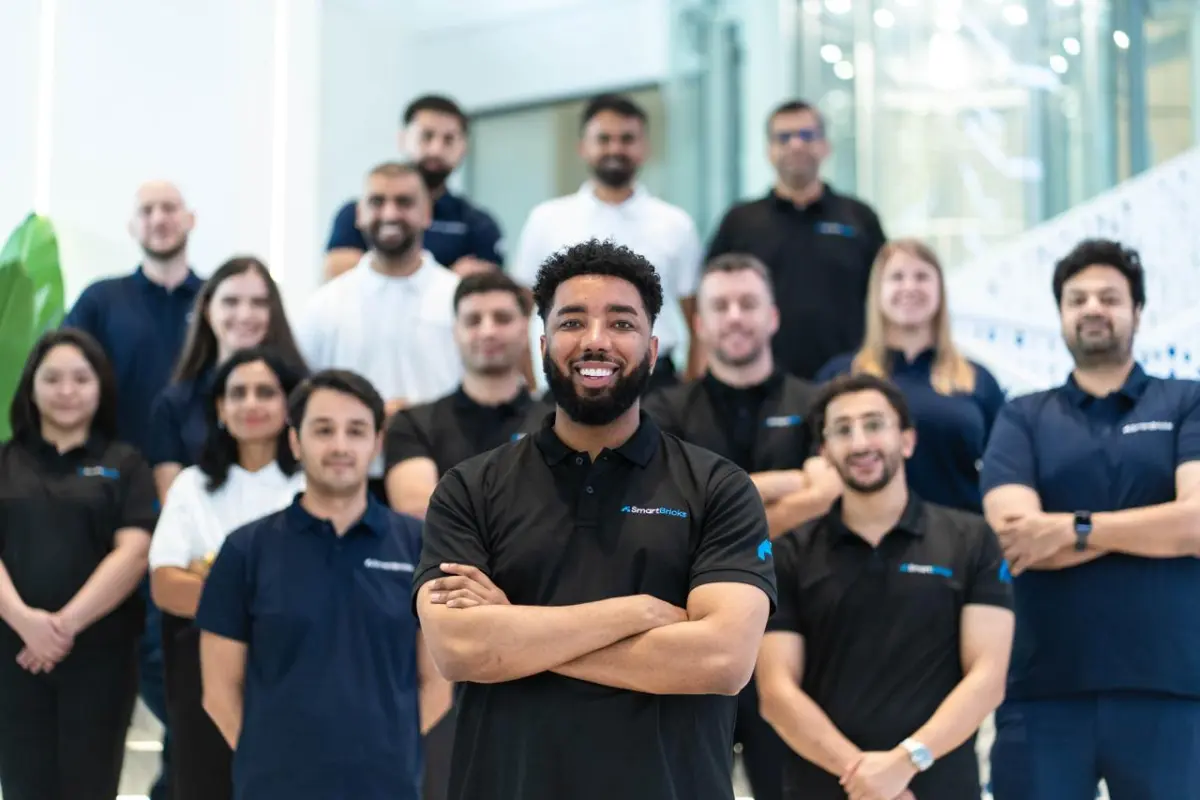
Why this visual matters: This graphic illustrates the growing trend of impactful entrepreneurship within tech startups. By integrating social responsibility into their business models, these companies are not only enhancing their market appeal but also paving the way for sustainable growth and innovation.
Data & Competition
The shift towards impact-driven startups is reshaping the competitive landscape. Companies that fail to adapt to this new paradigm risk losing market share to those that embrace it. According to a report from Deloitte, businesses that prioritize ESG (Environmental, Social, and Governance) factors outperform their counterparts in terms of stock performance and customer loyalty. This trend indicates a clear winner-takes-all scenario where startups that align their missions with social good are poised for success.
Frequently Asked Questions
What defines an impact-driven startup?
An impact-driven startup is one that integrates social, environmental, or ethical considerations into its business model while pursuing financial profit.
How can startups balance profit and purpose?
Startups can achieve this balance by developing a clear mission, engaging with their community, and measuring both financial and social outcomes.
Why should investors care about impact?
Investors are increasingly aware that companies with strong social missions often perform better financially, attracting more customers and retaining talent.
Meet the Analyst
Marcus Vance, Tech Editor. With over a decade of experience in analyzing tech trends, Marcus provides insights into the evolving landscape of startups and their impact on society.
Last Updated: March 2026 | HustleBotics Editorial Team