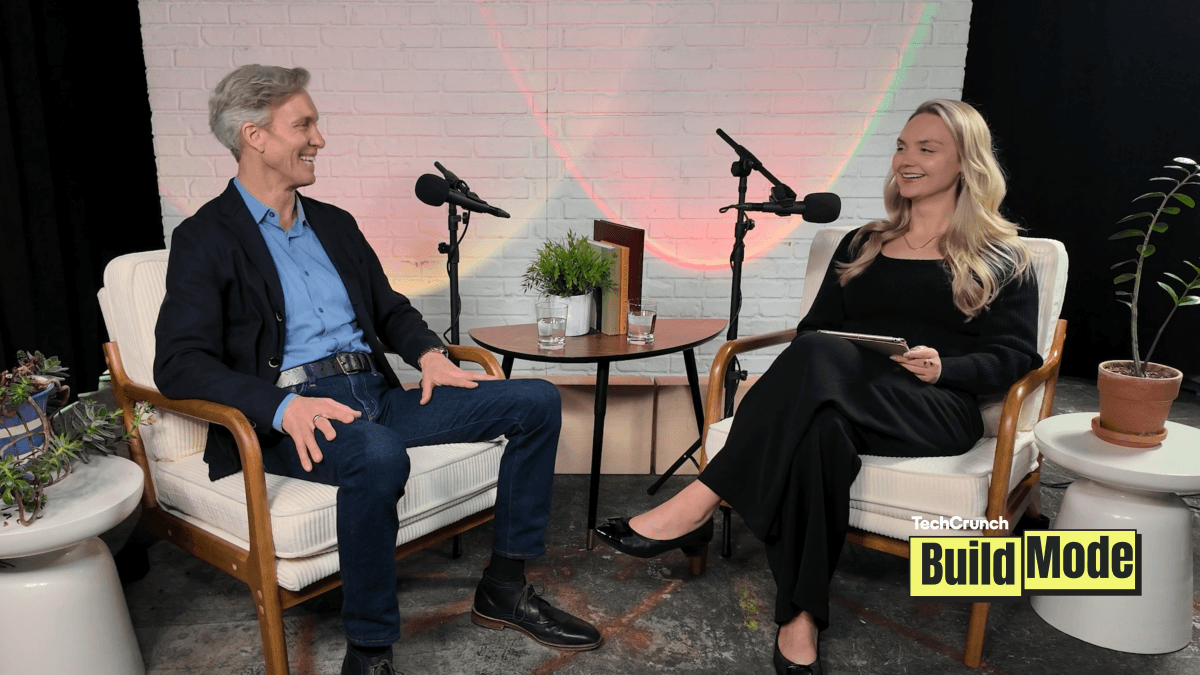
Navigating the entrepreneurial landscape is fraught with challenges, particularly when it comes to the dynamics of founding teams. Personalities clash, communication styles differ, and without a solid framework to guide conflict resolution, even the most innovative teams risk imploding before they reach their potential. This reality is where strategic insights on personal operating systems for founders become critical for entrepreneurial success.
The evolution of collaboration frameworks in the startup ecosystem highlights a growing need for improved team dynamics and personal awareness. Historically, many startups operated without addressing the underlying emotional and psychological factors that can drive conflict. Tensions often arose from misaligned values or communication failures, stifling innovation and progression in the earliest stages of development. Founders often faced relentless pressure to succeed, leading to stress and interpersonal issues that could undermine the very goals they sought to achieve.
Today’s entrepreneurial environment demands more than just a brilliant idea; it necessitates an understanding of human dynamics. The discussions around tools like frameworks for conflict resolution have become essential knowledge for modern founders seeking to foster an environment conducive to cooperation and creativity. Over recent years, coaching has transcended being a luxury and has become a necessity in propelling businesses forward. Failure to invest in this aspect can jeopardize not just relationships but also growth and sustainability.
📊 MARKET IMPACT ANALYSIS
The emergence of coaching and conflict resolution frameworks is reshaping the entrepreneurial landscape. The biggest winners? Founding teams that invest in their interpersonal dynamics. By focusing on the emotional health and relational tools necessary for collaboration, startups can enhance their capabilities exponentially. The losers in this newfound paradigm are those teams that dismiss the importance of these tools; they will likely face stagnation or, worse, disbandment.
The implications of these frameworks extend beyond internal team dynamics—they disrupt traditional models of management, shifting the focus from hierarchical structure to collaborative processes where emotional intelligence and relational skills equally matter. Industries such as tech, creative services, and consulting, which thrive on innovative teamwork, stand to benefit tremendously from adopting these coaching practices. For entrepreneurs, this translates directly into financial opportunities: businesses that nurture their teams with these frameworks can expect heightened engagement, leading to productivity gains and ultimately, improved bottom lines.
⚔️ COMPETITIVE COMPARISON
In drawing comparisons between traditional management practices and modern frameworks such as those espoused by coaching professionals like Ian Schmidt, a marked enhancement in methodologies becomes evident. Earlier models of conflict resolution relied heavily on formalized HR structures that often exacerbated tensions rather than alleviating them. The shift towards a personalized coaching method empowers founding teams to engage in open discussions, navigate their emotional triggers, and repair conflicts meaningfully.
Competitors in this space include simplistic frameworks that either prescribe generic behavioral guidelines or impose top-down tactics devoid of personal insight. However, contemporary frameworks offer dynamic problem-solving capacities, fostering a culture where each individual can contribute to a harmonious atmosphere, ultimately amplifying both innovation and productivity.
🛠️ REAL-WORLD USE CASES & MONETIZATION
While the implications of these advancements are vast, they can be distilled into actionable strategies for entrepreneurs ready to leverage their newfound knowledge. Here are three specific workflow ideas designed for immediate implementation:
- ⚡ **Daily Reflection Sessions**: Encourage team members to share their triggers and personal operating systems during brief daily catch-ups. These conversations can build understanding and empathy across the team.
- ⚡ **Conflict Resolution Workshops**: Host regular workshops focusing on emotional intelligence and collaborative problem-solving techniques. These sessions can be monetized as a consulting service to other startups as well.
- ⚡ **Feedback Loop Platforms**: Implement a confidential platform where team members can share feedback openly. Create actionable pathways to facilitate improvements and transparency, potentially turning this into a subscription-based software model for simplifying team communications.
📈 DATA & TRENDS
The demand for team coaching and interpersonal development is set to skyrocket, with the global coaching market projected to reach $20 billion by 2026. This significant growth translates to an impressive CAGR of approximately 6.7%. With startups increasingly recognizing the importance of emotional management in high-stakes environments, the adoption rate of these frameworks is anticipated to surge.
Moreover, the trend toward team-focused growth strategies is fostering increased awareness of the need for relational tools in entrepreneurial settings. As companies pivot to become more people-centric, it’s estimated that over 60% of startups will integrate personal operating systems into their coaching frameworks within the next two years—effectively modernizing their approach to team dynamics.
🧠 HUSTLEBOTICS EDITORIAL INSIGHT
Based on our analysis at HustleBotics, the growing emphasis on personal operating systems for founders is not merely a passing trend; it signifies a profound shift in how we perceive team dynamics in the entrepreneurial space. By prioritizing self-awareness and conflict resolution methods, startups can cultivate environments rich in creativity and collaboration, positioning themselves as resilient contenders in an increasingly competitive market landscape.
🔮 FUTURE PREDICTIONS
Looking ahead, the next six months will likely see a surge in the adoption of personalized coaching practices across startups. Entrepreneurs will begin recognizing the intrinsic value of investing early in their team’s emotional intelligence. Within two years, such practices will be standard, forming the bedrock of what constitutes an effective startup—shifting from an outdated focus on mere performance metrics to a holistic understanding of interpersonal dynamics.
We stand at a pivotal moment—this paradigm shift is not simply hype; it is a critical evolution of the startup ecosystem. Those that delay adapting to these models risk being left behind, while forward-thinking founders will carve out new paths for innovation and growth.
❓ FAQ SECTION (SEO Booster)
What is a personal operating system for founders?
A personal operating system for founders is a structured framework that emphasizes emotional awareness and effective communication within founding teams, enhancing interpersonal dynamics and conflict resolution.
How to integrate coaching into a founding team?
To integrate coaching, schedule regular sessions, encourage openness among team members about their triggers, and implement workshops focusing on emotional intelligence and collaboration.
Can I monetize my team’s coaching sessions?
Yes, by offering coaching workshops or developing a subscription-based feedback platform, startups can create revenue streams while enhancing their team’s interpersonal dynamics.
Why is understanding triggers important for leaders?
Understanding one’s triggers allows leaders to manage their responses effectively, fostering a more supportive and productive environment, which can significantly reduce conflicts
What impact does coaching have on team productivity?
Coaching improves team dynamics, enhances emotional intelligence, and enables better conflict resolution, leading to increased productivity and innovative outcomes.