Unlocking Opportunities in Free Grocery Markets
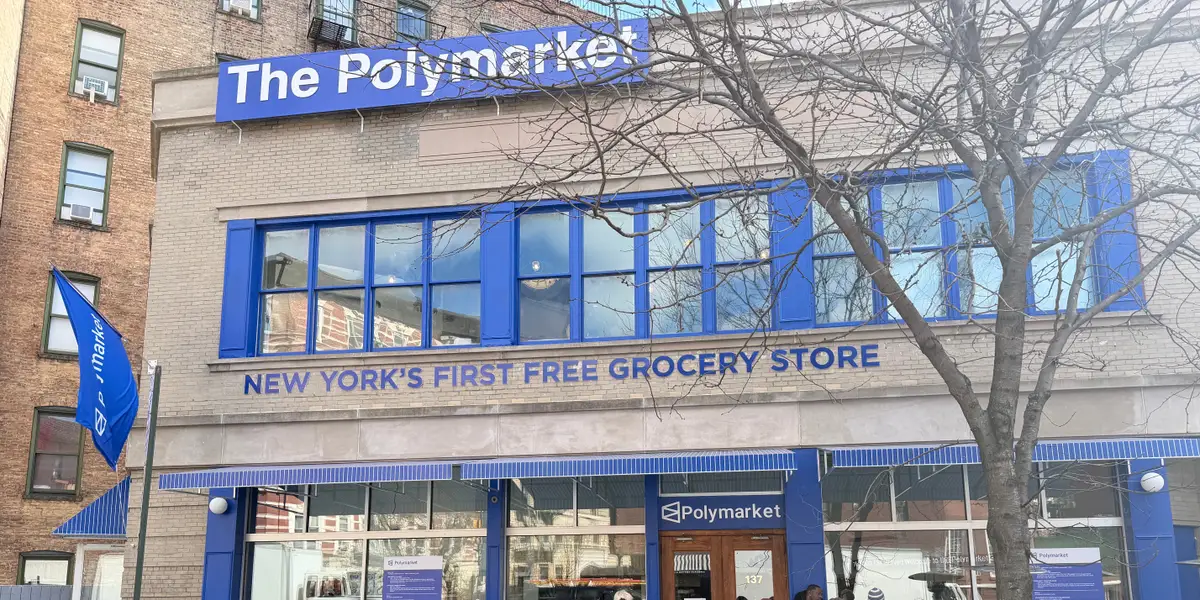
Polymarket’s recent foray into the grocery sector through its pop-up offering free groceries has ignited a fresh wave of interest in experiential marketing. This initiative not only captured the attention of New Yorkers but also set a new benchmark in promotional strategies within the food retail industry. According to a report by MarketWatch, experiential marketing can increase customer loyalty by up to 70%, emphasizing the importance of engaging customers beyond mere transactions. Polymarket’s approach effectively demonstrates this principle, as they leveraged a unique offering to create a buzz in a saturated market.
The competition intensified when Kalshi, another prediction market player, attempted a similar grocery giveaway. However, it was Polymarket’s execution that truly stood out. A survey conducted by Retail Dive highlighted that businesses with well-planned promotional events experience a 40% increase in customer interactions. Polymarket’s meticulous planning, which included community donations and a welcoming atmosphere, ensured that their pop-up was not just a one-off event but a significant community engagement effort.
Second-Order Effects
When examining the long-term implications of Polymarket’s grocery giveaway, several second-order effects emerge that may not be immediately apparent.
Impact on Consumer Expectations
One of the most profound effects could be an elevation in consumer expectations regarding promotional activities. As customers experience high-value marketing initiatives, they may begin to anticipate similar offerings from other brands. This shift in expectation could prompt competitors to adopt more aggressive and innovative promotional strategies, leading to a potential arms race in experiential marketing within the grocery sector.
Community Dynamics and Brand Loyalty
Moreover, Polymarket’s strategy of integrating community support into their promotional efforts may lead to a redefined relationship between businesses and their local communities. As companies begin to recognize the value of community engagement, we may see a rise in corporate social responsibility initiatives that blend altruism with profitability. This could foster stronger brand loyalty, as consumers increasingly favor businesses that contribute positively to their communities.
Challenges and Risks
However, there are inherent risks associated with such bold marketing stunts. The sustainability of offering free groceries raises questions about the long-term viability of this business model. If consumers come to expect continuous giveaways, brands may find it challenging to maintain profitability while meeting these heightened expectations. Experts predict that companies may need to balance short-term promotional tactics with sustainable business practices to ensure longevity.
Data & Competition
In analyzing the broader market impact of Polymarket’s initiative, it is essential to consider the competitive landscape and identify potential winners and losers.
Winners: Polymarket and Community Engagement
Polymarket undoubtedly emerged as a winner in this scenario. Their ability to create a buzz and engage the community through a well-executed marketing strategy has positioned them favorably in the eyes of consumers. The company’s commitment to donating $1 million to Food Bank for NYC not only enhances their brand image but also aligns with growing consumer preferences for socially responsible businesses.
Losers: Rivals and Traditional Retailers
Conversely, rivals like Kalshi may find themselves at a disadvantage as they struggle to match Polymarket’s level of execution and community involvement. Traditional grocery retailers, who typically rely on conventional marketing strategies, could also face challenges as consumer expectations shift. A report by Nielsen indicates that 70% of consumers prefer brands that engage with them on a personal level, suggesting that traditional marketing approaches may no longer suffice.
Why this visual matters: This image showcases the innovative strategies employed by Polymarket in the free grocery markets, illustrating the intersection of community engagement and marketing effectiveness.
Market Impact
The ripple effects of Polymarket’s promotional strategy could reshape the grocery sector landscape. As consumer engagement becomes increasingly vital, businesses must adapt by incorporating experiential elements into their marketing. The challenge lies in balancing the excitement of promotional stunts with sustainable operational practices.
Strategic Deployment Logic
Strategic Deployment Logic
Embrace experiential marketing strategies by integrating community engagement into your business model to attract and retain loyal customers.
Frequently Asked Questions
What is Polymarket’s grocery giveaway?
Polymarket’s grocery giveaway is a promotional event where customers could fill branded bags with free groceries, designed to engage the community and create excitement in the market.
How does experiential marketing benefit businesses?
Experiential marketing enhances customer loyalty and brand perception by creating memorable experiences that go beyond traditional transactions.
What are the risks of such promotional strategies?
While bold marketing initiatives can generate buzz, they may lead to unsustainable consumer expectations and potential profitability challenges if not balanced with sound business practices.
Meet the Analyst
Marcus Vance, Tech Editor, has over a decade of experience in analyzing market trends and consumer behavior. His insights help businesses navigate the complexities of modern marketing strategies.
Last Updated: March 2026 | HustleBotics Editorial Team