
Revolutionizing Microdrama: The Rise of Watch Club
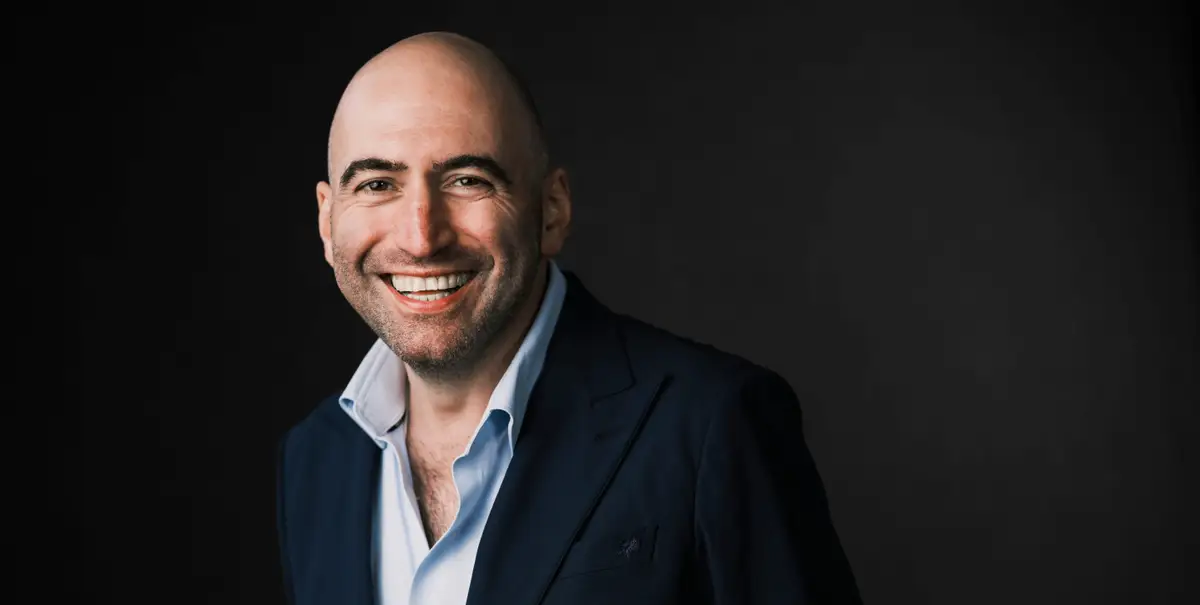
The digital content landscape is witnessing a renaissance, driven by platforms that prioritize quality storytelling and community engagement. Watch Club, an innovative app founded by Henry Soong, is poised to disrupt the status quo in the microdrama niche. This sector, characterized by its short, episodic narratives, has often been plagued by clichéd plots and low creative standards. However, Watch Club aims to elevate the genre by focusing on authentic narratives produced by seasoned professionals, thereby attracting a discerning audience.
According to a recent market analysis by Digital Content Insights, the microdrama industry is expected to see a compound annual growth rate (CAGR) of 12% over the next five years. This growth is fueled by increasing consumer demand for bite-sized, engaging content that fits into their busy lifestyles. As platforms like Watch Club enter the fray, they are not just competing with each other; they are redefining what audiences expect from digital storytelling.
The Flaws in the Current Market
As Soong aptly points out, “ninety percent of these stories are clichéd plots—like a love affair between a poor girl and a secret billionaire who happens to be a werewolf.” This critique highlights the broader issues plaguing the microdrama market:
– **Low Creative Standards**: Many existing platforms rely on formulaic narratives, often generated through automated processes. This results in a lack of originality that fails to capture audience interest.
– **Market Saturation**: The influx of low-quality offerings has led to user fatigue, making it increasingly difficult for any single app to stand out in a crowded marketplace.
– **Low Engagement**: Without robust avenues for community interaction, audiences are left disconnected from the content and each other, reducing overall investment in the platform.
Watch Club’s commitment to quality and engagement sets it apart from competitors like ReelShort and DramaBox, which have dominated the market with substantial revenues but have struggled with audience retention and satisfaction.
The Watch Club Advantage
In stark contrast to its competitors, Watch Club is dedicated to producing engaging narratives crafted by SAG and WGA talent. This commitment not only ensures authenticity but also elevates the overall quality of the content. The app aims to create a vibrant social network around its narratives, allowing users to connect, discuss, and engage with episodes in real time.
Soong emphasizes the importance of community: “Imagine if you could watch an episode and immediately discuss it with friends or chat with thousands of others about what they think.” This unique model not only enhances viewer experience but also fosters a sense of belonging among users, which is critical in today’s digital landscape.
Monetization Strategies: Finding the Gold in Content
As Watch Club prepares for its market launch, monetization strategies are a key focus. Although the specifics remain under development, Soong’s previous experience at Meta, where he generated $5 billion annually from ad sales in China, suggests that he has the expertise to optimize business models effectively.
Potential monetization avenues include:
– **In-app Advertising**: Targeted ads that enhance revenue without detracting from user experience could be a lucrative option. Given the app’s community-driven nature, advertisements can be tailored to align with user interests.
– **Subscription Models**: Offering exclusive content for a monthly fee could create a steady revenue stream, ensuring that Watch Club remains financially viable while providing value to its users.
– **Collaborations and Integrations**: Strategic partnerships with other platforms for cross-promotion can amplify reach and monetization opportunities, expanding Watch Club’s audience base.
Soong aims to mitigate dependency on paid user acquisition while maximizing organic growth through engaging content and community interaction, a strategy that is already showing promise.
Second-Order Effects
The rise of Watch Club is not just a singular event; it represents a broader trend that could reshape the digital content landscape. One of the most significant second-order effects may be the impact on traditional media consumption habits. As audiences gravitate towards platforms that offer interactive and community-driven experiences, traditional streaming services may find themselves under pressure to adapt or risk obsolescence.
Furthermore, the emphasis on quality storytelling could inspire a renaissance in content creation across multiple platforms. As creators recognize the value of authentic narratives, we may see a shift away from formulaic content towards more innovative and diverse storytelling approaches. This could lead to a richer media landscape, where niche stories receive the attention they deserve, fostering a culture of creativity and exploration.
Additionally, the community engagement aspect of Watch Club could influence how other platforms approach user interaction. The success of real-time discussions and interactions around episodes may prompt competitors to invest in similar features, further blurring the lines between content consumption and social networking.
Why this visual matters: This image encapsulates the essence of the emerging digital wealth system, highlighting the transformative potential of microdrama in redefining content consumption and monetization strategies within the industry.
Data & Competition
The competitive landscape for microdrama is evolving rapidly, with established players like ReelShort and DramaBox already reaping significant financial rewards. However, the introduction of Watch Club could disrupt this status quo.
– **Winners**: Watch Club, with its commitment to quality and community, positions itself as a potential leader in the microdrama space. By prioritizing authentic storytelling and audience engagement, it could capture market share from existing platforms that rely on low-quality content.
– **Losers**: Competitors that fail to adapt to the changing demands of audiences may struggle to retain users. As Watch Club’s community-driven approach gains traction, platforms that prioritize quantity over quality could see a decline in user engagement and revenue.
The market impact is expected to be significant, with industry analysts predicting a shift in consumer preferences towards platforms that offer higher-quality, community-oriented content. This could lead to a realignment of resources within the industry as companies scramble to innovate and meet the evolving needs of their audiences.
Frequently Asked Questions
What distinguishes Watch Club from its competitors?
Watch Club focuses on high-quality narratives created by unionized actors and writers, along with fostering audience engagement through integrated social features.
How does Watch Club plan to monetize?
While specific strategies are still in development, potential revenue streams include ads, subscriptions, and partnerships that align with audience interests.
What type of content will be available on Watch Club?
The app will feature well-produced microdramas aimed at diverse audiences, with a focus on engaging storytelling that resonates on multiple levels.
Meet the Analyst
Marcus Vance, Tech Editor – A seasoned journalist with over a decade of experience covering technology and digital media trends, Marcus brings a wealth of knowledge to the analysis of emerging platforms and their impact on the industry.
Last Updated: March 2026 | HustleBotics Editorial Team