Spotify’s Bold Leap: Audiobooks and Physical Sales Integration
Spotify’s recent announcement to integrate physical book sales into its audiobook offerings is a strategic pivot that underscores the platform’s ambition to become a comprehensive hub for literary content. This venture, particularly significant for a company historically focused on digital audio, indicates a growing recognition of the enduring appeal of physical books.
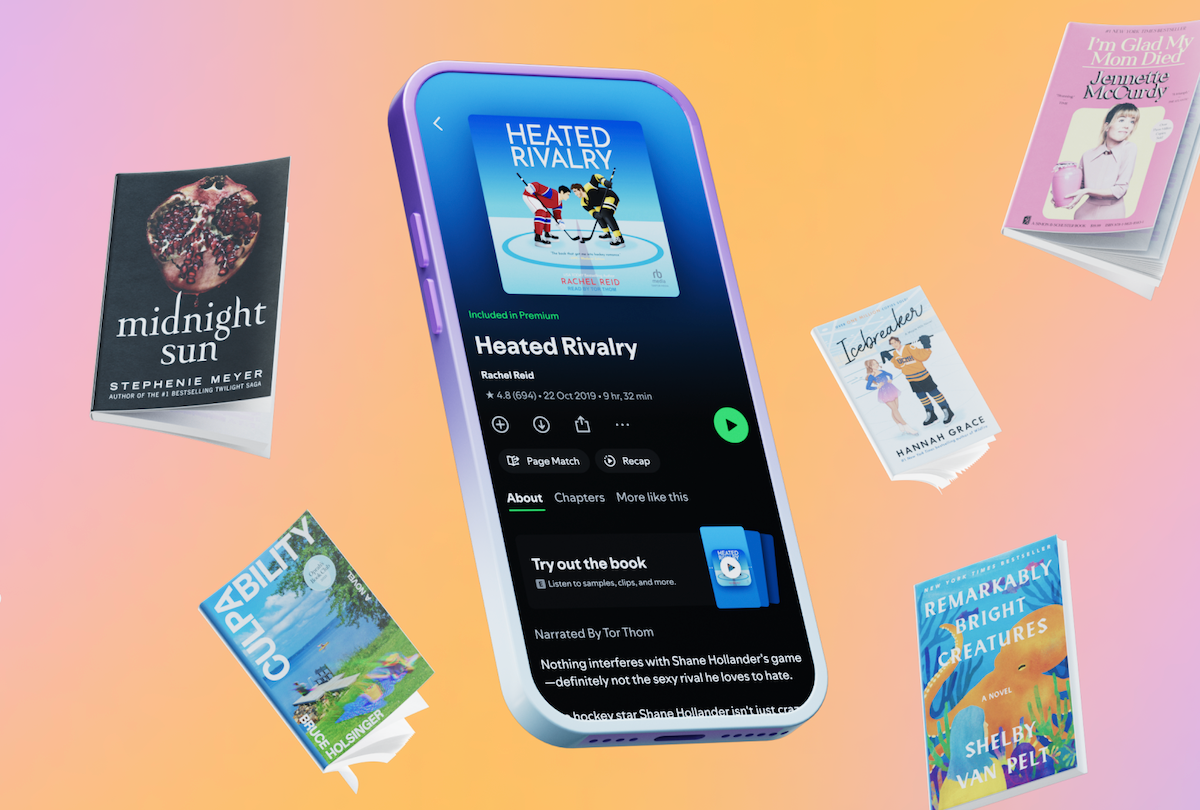
The new features, such as “Page Match” and “Audiobook Recaps,” are not just about enhancing user experience; they represent a calculated response to the evolving demands of bibliophiles who crave seamless transitions between reading formats. According to a report from the International Publishers Association, the global audiobook market is projected to reach $35 billion by 2027, driven by increasing consumer preferences for audio content. Spotify’s initiatives could position it to capture a substantial share of this burgeoning market.
Moreover, the collaboration with Bookshop.org to facilitate physical book sales is noteworthy. This partnership not only supports local bookstores but also aligns with a growing consumer consciousness around supporting independent businesses. As highlighted in a recent Nielsen report, 70% of consumers express a preference for shopping from brands that contribute to local communities. By embedding this ethos into its business model, Spotify enhances its brand image while expanding its revenue streams.
Second-Order Effects
The implications of Spotify’s new audiobook features and foray into physical book sales extend far beyond mere market competition. The introduction of “Page Match,” which allows users to scan pages from physical books to jump directly to corresponding sections in audiobooks, could fundamentally change how users interact with literature. This feature not only provides convenience but also encourages a hybrid reading culture where physical and digital formats coexist harmoniously.
However, the second-order effects of such innovations are profound. For instance, as users become accustomed to the seamless integration of physical and digital reading experiences, traditional bookstores may face increased pressure to innovate. The convenience of purchasing physical books through an app could lead to a decline in foot traffic to brick-and-mortar locations, pushing these establishments to rethink their business models.
Furthermore, this shift could inspire other tech giants to explore similar integrations, leading to a potential arms race in the audiobook and book retailing sectors. Companies such as Amazon, which dominate the market, may need to respond by enhancing their own offerings or risk losing market share to a more versatile competitor like Spotify. This creates a ripple effect where innovation becomes paramount, ultimately benefiting consumers through improved services and options.
Data & Competition
The competitive landscape following Spotify’s announcement will likely see a seismic shift. With over 500,000 audiobook titles currently available and a 36% increase in user engagement over the past year, Spotify is not only expanding its audiobook library but also enhancing its user experience. The recent introduction of physical book sales positions Spotify as a direct competitor to established players like Amazon and Barnes & Noble.
Amazon, which has dominated the online book market, will need to respond strategically. A report by eMarketer indicates that Amazon holds over 60% of the U.S. book market share. However, Spotify’s innovative features could lure users away from traditional platforms. Spotify’s partnership with Bookshop.org also represents a direct challenge to Amazon’s business model, which has often been criticized for its impact on local bookstores.
On the other hand, physical bookstores may find themselves in a precarious position. The convenience of online shopping combined with Spotify’s community-focused approach could lead to a decline in sales for independent bookstores. According to the American Booksellers Association, independent bookstores have seen a resurgence in recent years, but they may struggle to compete with the integrated offerings from a tech giant like Spotify.
Why this visual matters: The integration of Spotify’s audiobook features with physical book sales signifies a transformative shift in how consumers engage with literature, potentially disrupting traditional retail models and enhancing user experience in the audiobook sector.
Actionable Insights for Businesses
Spotify’s move into the audiobook and physical book sales space serves as a critical reminder for businesses across industries: adaptability is key. Companies must stay attuned to consumer preferences and technological advancements, as these factors can dictate market dynamics.
For bookstores, embracing a hybrid model that incorporates both physical and digital sales could be essential for survival. Additionally, leveraging community-driven initiatives, similar to Spotify’s partnership with Bookshop.org, may enhance customer loyalty and support.
Ultimately, businesses should focus on the user experience, ensuring that transitions between formats are seamless and intuitive. As Spotify exemplifies, the future of content consumption may lie in creating integrated ecosystems that cater to diverse consumer needs.
Frequently Asked Questions
What are Spotify’s new features for audiobooks?
Spotify has introduced features like “Page Match,” which allows users to scan pages from physical books to jump directly to the corresponding sections in audiobooks, and “Audiobook Recaps,” which provides concise summaries of previously listened segments.
How does Spotify’s partnership with Bookshop.org benefit local bookstores?
This partnership enables Spotify to sell physical books through its platform, directing a portion of sales to local and independent bookstores, thereby supporting community literary initiatives.
What impact might Spotify have on traditional bookstores?
Spotify’s integration of physical book sales and innovative audiobook features could lead to increased competition for traditional bookstores, potentially affecting their foot traffic and sales.
Meet the Analyst
Marcus Vance, Tech Editor, is a seasoned analyst with over a decade of experience in digital content and technology trends. His insights focus on the intersection of technology and consumer behavior, providing businesses with actionable strategies for navigating the digital landscape.
Last Updated: March 2026 | HustleBotics Editorial Team