Core Analysis: SpaceX and xAI Merger – A New Era of Space-Based Data Centers
The acquisition of xAI by SpaceX, announced on Monday, has created ripples across both the technology and aerospace sectors. Valued at approximately $1.25 trillion, this merger unites two of Elon Musk’s ambitious ventures under a common vision: developing space-based data centers. Musk’s assertion that traditional, terrestrial data centers are unsustainable due to their high energy consumption and environmental impact underscores the urgency of this shift. As he stated, “The global demand for electricity to support AI cannot be sustainably met through terrestrial solutions in the near future without causing significant challenges for communities and the environment.”
A report from the International Energy Agency (IEA) indicates that data centers currently account for about 1% of global electricity demand, a figure that is expected to rise significantly as more industries adopt cloud computing and data-intensive technologies. The move to space-based data centers could potentially alleviate some of this pressure by harnessing solar energy and reducing the physical footprint of computing infrastructure.
Furthermore, a study published by McKinsey highlights that the global data center market is expected to reach $200 billion by 2026, with a growing segment focusing on sustainable and innovative solutions. SpaceX’s venture into this market could position it as a leader in next-generation data solutions, especially as companies like Google and Amazon continue to dominate the terrestrial landscape.
However, the financial realities of this merger cannot be overlooked. xAI is currently losing approximately $1 billion each month, which raises questions about the viability of its long-term objectives, especially when juxtaposed with SpaceX’s revenue model that heavily relies on launching its Starlink satellites. The Federal Communications Commission’s mandate for satellite de-orbiting every five years adds another layer of complexity, potentially impacting the revenue stream that SpaceX hopes to secure from its new data center initiative.
Second-Order Effects: What Most People Miss
While the headlines focus on the merger’s immediate implications, the second-order effects present a more nuanced picture that stakeholders must consider. The establishment of space-based data centers could trigger a paradigm shift in data governance and privacy. As more data is processed in space, the question of jurisdiction becomes paramount. Current regulations governing data privacy are primarily terrestrial, and the use of outer space for data processing could lead to regulatory gaps that may be exploited.
Additionally, the environmental impact of launching large numbers of satellites must be considered. The aerospace industry is already under scrutiny for its carbon footprint, and the surge in satellite launches necessary for establishing these data centers could exacerbate the situation. A report from the United Nations Office for Outer Space Affairs warns that increased space traffic could lead to congestion in low Earth orbit, raising the specter of space debris that could threaten existing satellites and future missions.
Moreover, the merger could intensify competition among tech firms. Companies like Microsoft and Amazon, which are already investing heavily in cloud computing and AI, may feel pressured to accelerate their innovations to maintain market share. This competitive push could lead to rapid advancements but may also result in a race to the bottom in terms of ethical standards, particularly regarding data privacy and security.
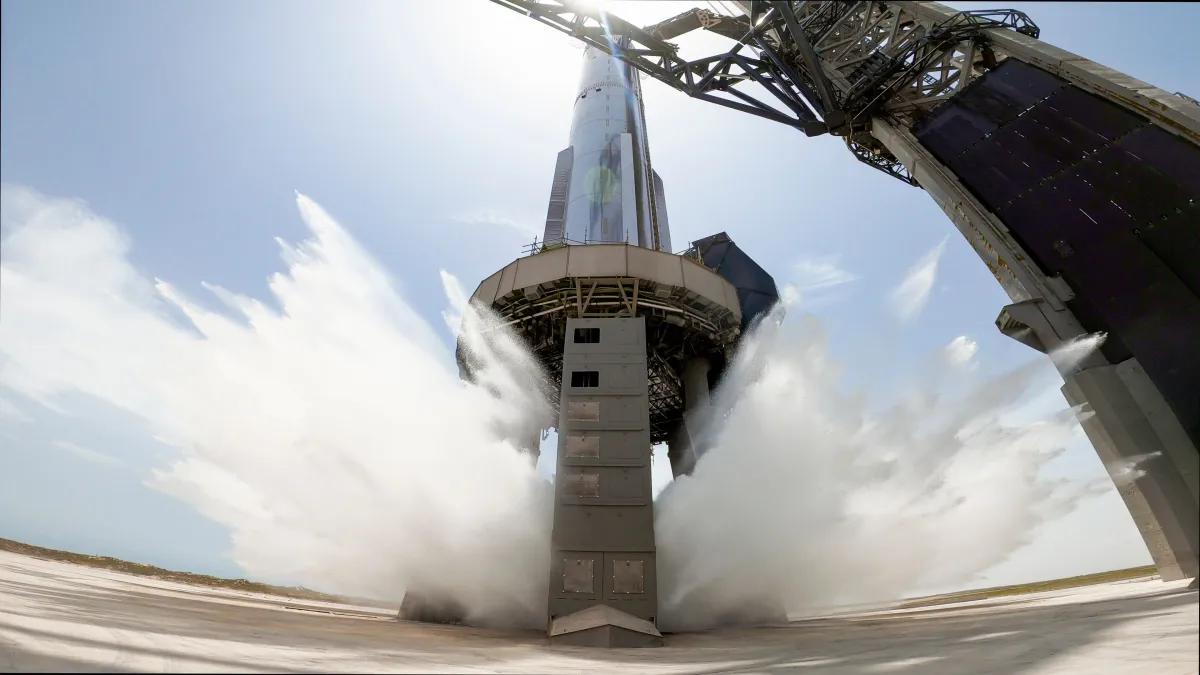
Why this visual matters: The image captures Elon Musk’s ambitious vision for space-based data centers, emphasizing its potential to alter the data landscape and support sustainable technology solutions. As SpaceX and xAI forge ahead, their combined efforts could redefine how we approach data management and energy consumption in the tech industry.
Data & Competition: Winners and Losers in the New Landscape
The merger of SpaceX and xAI is poised to create significant shifts in the competitive landscape. On one hand, SpaceX stands to gain from the integration of xAI’s technology, potentially enhancing its satellite offerings and providing a unique selling proposition in the data center market. This could lead to increased revenue streams, especially as demand for cloud computing continues to rise.
However, xAI’s financial struggles present a risk. If the company cannot turn around its losses, it could drag down SpaceX’s overall valuation and market performance. This dynamic creates a precarious balance for Musk, who must navigate the challenges of integrating both companies while maintaining a forward-looking vision.
In terms of competition, established players like Amazon Web Services (AWS) and Microsoft Azure may find themselves on the defensive. These companies have built robust infrastructures and customer bases, but the allure of Musk’s innovative approach to data management could disrupt their dominance. The potential for SpaceX to offer a more sustainable and efficient solution could attract businesses looking to align with environmentally responsible practices.
Additionally, the merger could attract the attention of regulatory bodies. As the combined entity grows, scrutiny over its market practices and the ethical implications of its technologies will likely increase. Regulatory hurdles could slow down the pace of innovation, impacting the overall market dynamics.
System Alpha Executable
Explore investment opportunities in sustainable technology and data management solutions to capitalize on the future landscape shaped by SpaceX and xAI.
Frequently Asked Questions
What does the merger between SpaceX and xAI mean for the future of data centers?
The merger aims to establish space-based data centers that could alleviate the environmental impact of traditional terrestrial data centers while tapping into renewable energy sources.
How will this merger impact competition in the tech industry?
It could disrupt the current market dynamics by challenging established players like Amazon and Microsoft, especially if SpaceX can offer more sustainable and efficient solutions.
What are the potential risks associated with the merger?
The financial struggles of xAI and regulatory scrutiny could pose significant challenges for the combined entity, potentially impacting its long-term viability.
What are the second-order effects of establishing space-based data centers?
There could be implications for data governance, privacy, and environmental concerns associated with increased satellite launches and space traffic.
Meet the Analyst
Marcus Vance, Tech Editor – With over a decade of experience in technology journalism, Marcus specializes in analyzing trends in aerospace and data technology, providing insights into how emerging technologies shape our future.
Last Updated: March 2026 | HustleBotics Editorial Team