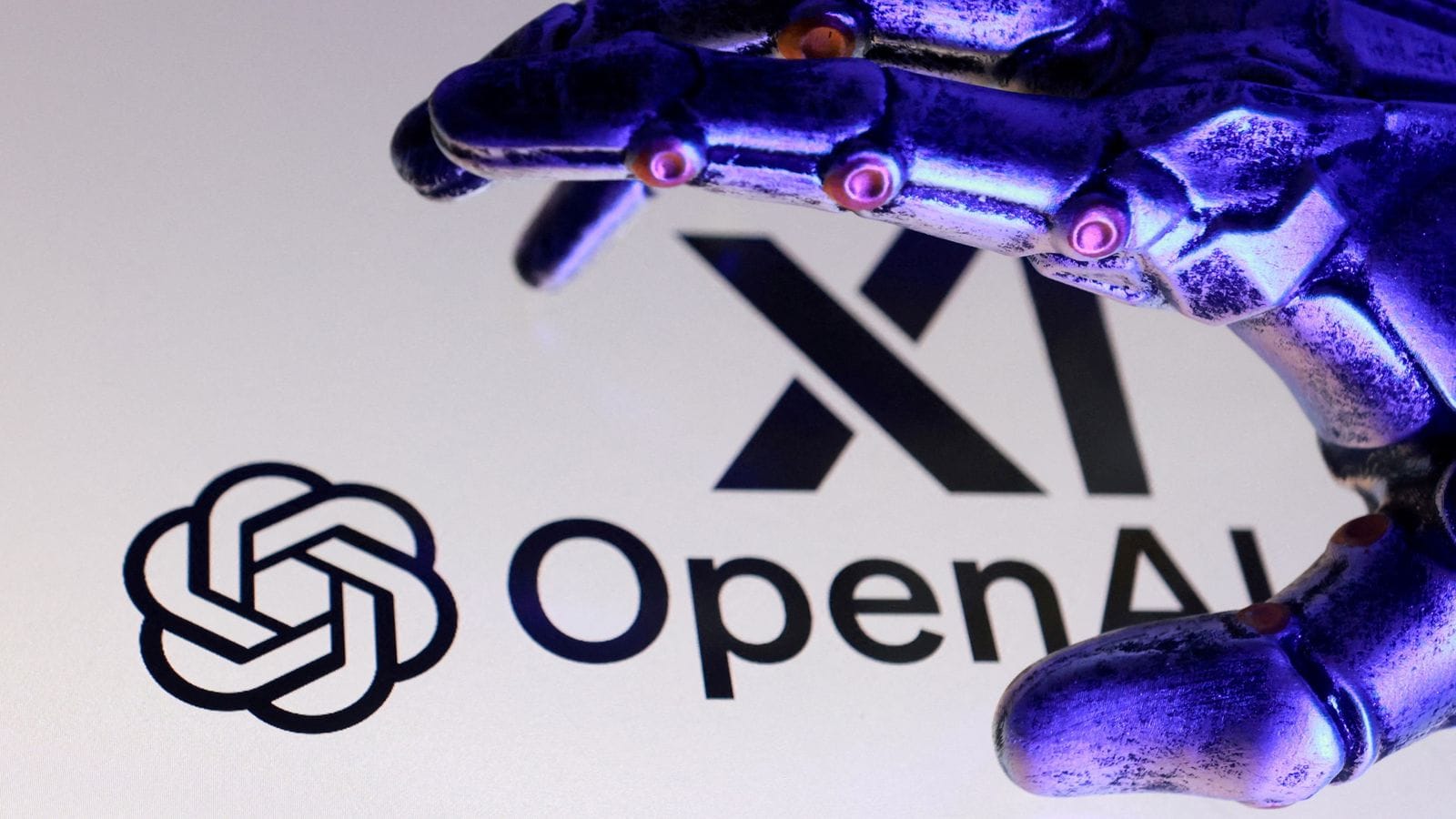
Market Shift: SpaceX’s Strategic Acquisition of xAI
SpaceX’s acquisition of xAI represents a seismic shift in the technological landscape, transcending traditional mergers and acquisitions. Valued at an astonishing $1.25 trillion, this partnership is not merely a financial transaction; it is a strategic alignment that combines two powerhouses under Elon Musk’s visionary leadership. SpaceX, with its valuation of $1 trillion, and xAI, valued at $250 billion, are set to revolutionize the aerospace and tech industries through their collaborative efforts.
According to a recent report by Morgan Stanley, the integration of advanced data processing capabilities into aerospace applications could potentially unlock a market worth over $2 trillion within the next decade. The merger’s strategic initiative to deploy data centers in orbit marks a pioneering step in harnessing cloud computing power beyond Earth’s atmosphere. This innovative approach is anticipated to enhance computational effectiveness exponentially, thereby solidifying SpaceX’s position as a leader in both aerospace and technology sectors.
Additionally, a report from Gartner suggests that investments in advanced data analytics and machine learning technologies are expected to surge by 30% over the next two years as companies strive to gain competitive advantages. With SpaceX’s acquisition of xAI, the message to the market is clear: companies that fail to adapt to these technological advancements risk falling behind.
Second-Order Effects
While the acquisition of xAI by SpaceX may seem like a straightforward business move, the second-order effects of this merger are profound and multifaceted. One of the most significant implications is the potential shift in operational paradigms across various industries. As SpaceX and xAI combine their strengths, we can expect a ripple effect that influences not only the aerospace sector but also sectors reliant on data analytics and cloud computing.
For instance, the integration of advanced data processing into aerospace applications could lead to more efficient supply chains and logistics operations. Companies involved in these sectors will need to reassess their data strategies and invest in technologies that enhance operational efficiency. This shift could also catalyze a wave of innovation, prompting startups and established firms to explore new business models that leverage data in unprecedented ways.
Moreover, the merger could intensify competition among tech giants. As major players like Meta and Microsoft continue to invest heavily in their AI infrastructures, the race to dominate the evolving tech landscape will escalate. This competitive pressure may force companies to expedite their own digital transformation initiatives, resulting in a faster-paced environment where agility and adaptability become paramount.
Data & Competition: Winners and Losers
The implications of SpaceX’s acquisition of xAI extend beyond the immediate partnership; they will reshape the competitive landscape across various industries. The winners in this scenario are likely to be companies that proactively embrace data-driven strategies and invest in technological advancements. Businesses that align themselves with emerging trends and adapt to the evolving landscape will find themselves well-positioned to capitalize on new opportunities.
Conversely, companies that remain stagnant or resistant to change may face dire consequences. A recent analysis by Deloitte indicates that organizations failing to adopt data-centric approaches could see their market share diminish significantly within the next five years. As the tech landscape evolves, businesses must recognize the urgency of integrating advanced data solutions into their operations to maintain a competitive edge.
Why this visual matters: The image illustrates the transformative impact of the SpaceX acquisition of xAI, emphasizing the pivotal role of data integration in revolutionizing industries. Understanding the synergy between SpaceX and xAI is key to grasping the future of technology and business.
As the market reacts to this monumental acquisition, it is essential for businesses to identify operational areas that are ripe for data integration. Companies must invest in training programs that enhance tech literacy among their staff to ensure they are equipped to navigate this evolving landscape. Furthermore, exploring partnerships with tech firms pioneering innovations in data and AI integration will be crucial for long-term success.
Strategic Deployment Logic
Strategic Deployment Logic
Initiate plans to integrate advanced data-driven decision-making frameworks within your organization.
The urgency to leverage technological advancements cannot be overstated. By pivoting swiftly, operators can position themselves as leaders rather than laggards in a landscape characterized by rapid innovation. Companies should closely monitor industry trends to stay ahead of competitors and identify opportunities for growth.
Frequently Asked Questions
What are the primary benefits of the SpaceX and xAI merger?
The merger aims to integrate advanced data processing capabilities into aerospace applications, enhancing computational effectiveness and creating new market opportunities.
How will this acquisition impact competition in the tech industry?
The acquisition is expected to intensify competition as companies rush to adopt data-driven strategies and innovate to maintain their market positions.
What steps should companies take to adapt to these changes?
Companies should invest in training their staff on emerging technologies, explore partnerships with innovative tech firms, and integrate advanced data solutions into their operations.
Meet the Analyst
Marcus Vance, Tech Editor. Marcus has over a decade of experience analyzing market trends and technological advancements, providing insights that drive strategic decision-making.
Last Updated: March 2026 | HustleBotics Editorial Team