🌐 CONTEXT & BACKGROUND
In an era where efficient resource management is pivotal for entrepreneurial success, the emergence of smart agricultural solutions presents unprecedented opportunities. This becomes particularly significant as agriculture, traditionally slow to adopt technology, now stands at the crossroads of substantial transformation.
Historically, managing livestock, particularly in expansive and remote terrains, has posed significant challenges to farmers. With reliance on traditional methods such as dogs and motorbikes, operational efficiency often suffered. Before the advent of Propriety Tech like Halter’s innovative solution, farmers struggled to optimize grazing patterns and monitor herd health effectively, leading to lost productivity and financial drain.
📊 MARKET IMPACT ANALYSIS
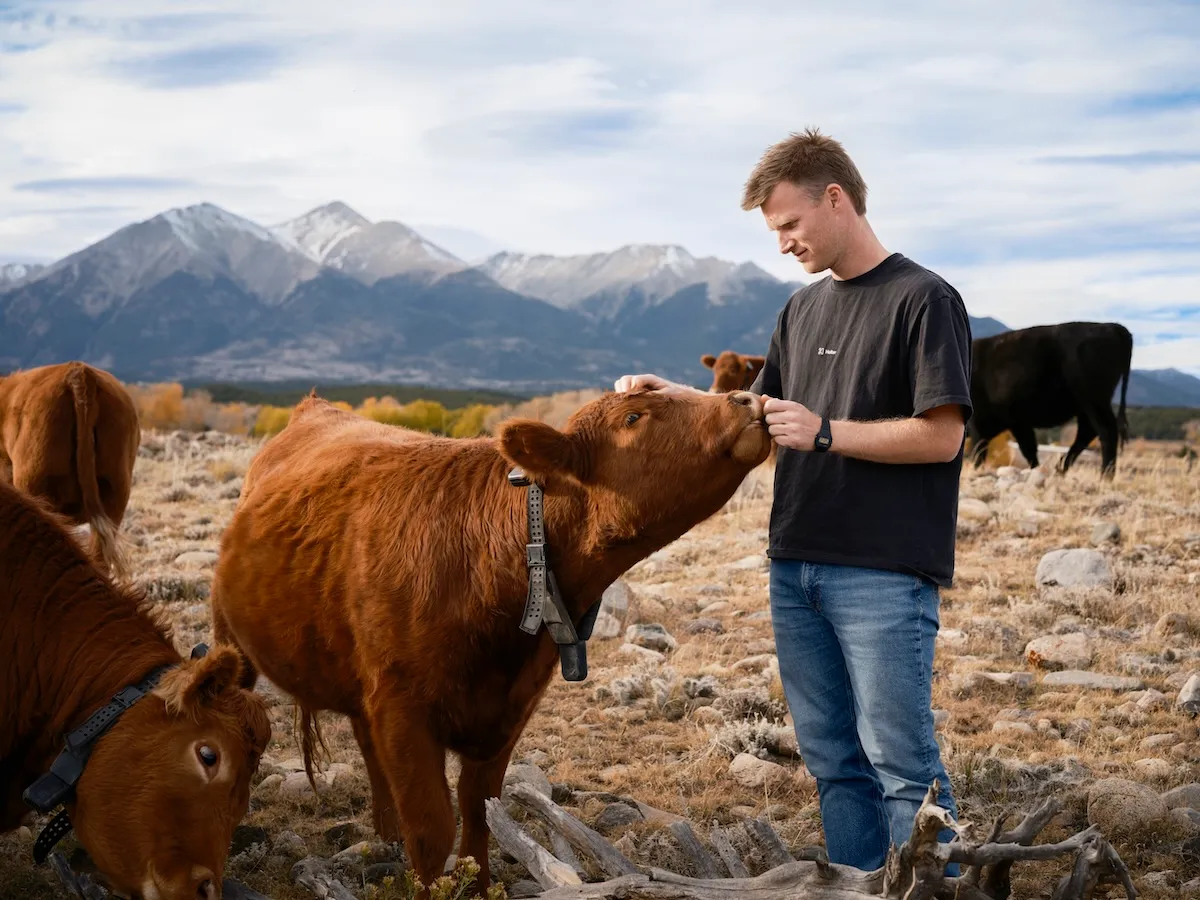
The unveiling of Halter’s solar-powered smart collar technology marks a watershed moment in the agricultural landscape. This disruptive innovation not only offers a new avenue for automation but revolutionizes how cattle are managed across vast landscapes. Farmers can now employ virtual fencing, significantly enhancing productivity and health monitoring.
In the wake of this technological leap, various stakeholders emerge as both winners and losers. The clear winners are ranchers and farmers who stand to boost their land productivity by up to 20%, a compelling incentive that can lead to remarkable financial returns. Conversely, traditional livestock management methods are rendered increasingly obsolete, presenting a substantial challenge for those unwilling to adapt.
Industries poised for disruption include livestock management, agricultural technology, and veterinary services. Enhanced monitoring capabilities shift the industry’s focus toward real-time data analytics, behavioral insights, and health tracking. This creates lucrative business leverage opportunities for entrepreneurs willing to capitalize on insights derived from animal health data.
⚔️ COMPETITIVE COMPARISON
Halter’s technology bears significant differentiation when juxtaposed against previous solutions and competitors. While traditional approaches to cattle management have relied on manual processes and basic tracking systems, Halter’s combination of advanced sensor tech, machine learning, and real-time data analytics sets a new paradigm.
Halter’s value proposition surpasses that of other systems like Merck’s Vence by incorporating a network of low-frequency towers and a smartphone app, making control more comprehensive and user-friendly. Compared to emerging competitors like Grazemate, which presented a drone-based system, Halter’s collar remains the most reliable option for core fencing functionalities, carving out a unique competitive edge that’s hard to replicate.
🛠️ REAL-WORLD USE CASES & MONETIZATION
Entrepreneurs and solo-hustlers can capitalize on Halter’s innovations in several ways:
- ⚡ Create a consulting business to help farmers integrate Halter’s smart collars, guiding them through the installation and training process.
- ⚡ Develop an app that aggregates and visualizes the data collected by the Halter system, offering actionable insights based on cattle behavior and health metrics.
- ⚡ Establish a subscription service that provides ongoing updates and insights into industry best practices and enhancing herd management based on Halter’s technology.
📈 DATA & TRENDS
The agricultural technology market is projected to witness robust growth, with an estimated CAGR exceeding 12% through 2026. Investments into innovative farming technologies like Halter’s solutions are expected to soar, with total funding expected to surpass $100 billion globally.
Adoption rates for smart agricultural solutions, specifically in cattle management, are on an aggressive trajectory, reflecting a transformative shift from traditional practices. As of now, Halter has reported over one million collar deployments, hinting at a burgeoning acceptance of tech-driven methods in agriculture.
🧠 HUSTLEBOTICS EDITORIAL INSIGHT
Based on our analysis at HustleBotics, the rise of smart livestock management technologies points toward a paradigm shift in the agricultural sector. As efficiency becomes paramount, we anticipate a comprehensive reevaluation of traditional farming practices as newer, tech-driven methodologies like Halter’s smart collars gain traction across global markets.
🔮 FUTURE PREDICTIONS
In six months, we expect growing acknowledgment among farmers about the value of smart collars in enhancing their operational efficiencies. Expect early adopters to showcase remarkable increases in productivity, catalyzing broader acceptance.
Looking two years ahead, we foresee a significant pivot point where conversations around agricultural efficiency are synonymous with tech integration. This isn’t just hype; it’s an evolving landscape poised for monumental shifts that could redefine entire operational frameworks within the agricultural sector.
❓ FAQ SECTION (SEO Booster)
What is Halter’s smart collar technology?
Halter’s smart collar technology is a solar-powered device designed for livestock management that allows farmers to create virtual fences and monitor cattle health through a smartphone app.
How does Halter improve cattle management?
By enabling virtual grazing control, Halter significantly increases land productivity while also tracking animal health, fertility cycles, and overall behavior, creating a more efficient farming operation.
Can I use Halter’s technology on my farm?
Yes, if you manage cattle in any capacity, Halter’s smart collars can be integrated into your operations, enhancing both productivity and animal welfare through advanced monitoring capabilities.
What are the financial benefits of adopting Halter’s system?
Farmers using Halter’s technology can expect productivity improvements of up to 20%, translating to enhanced financial returns and resource management efficiency over time.
How does Halter compare to traditional cattle management methods?
Unlike traditional methods which rely heavily on manual processes, Halter’s system automates cattle herding through virtual fencing, leading to increased uptime and productivity.