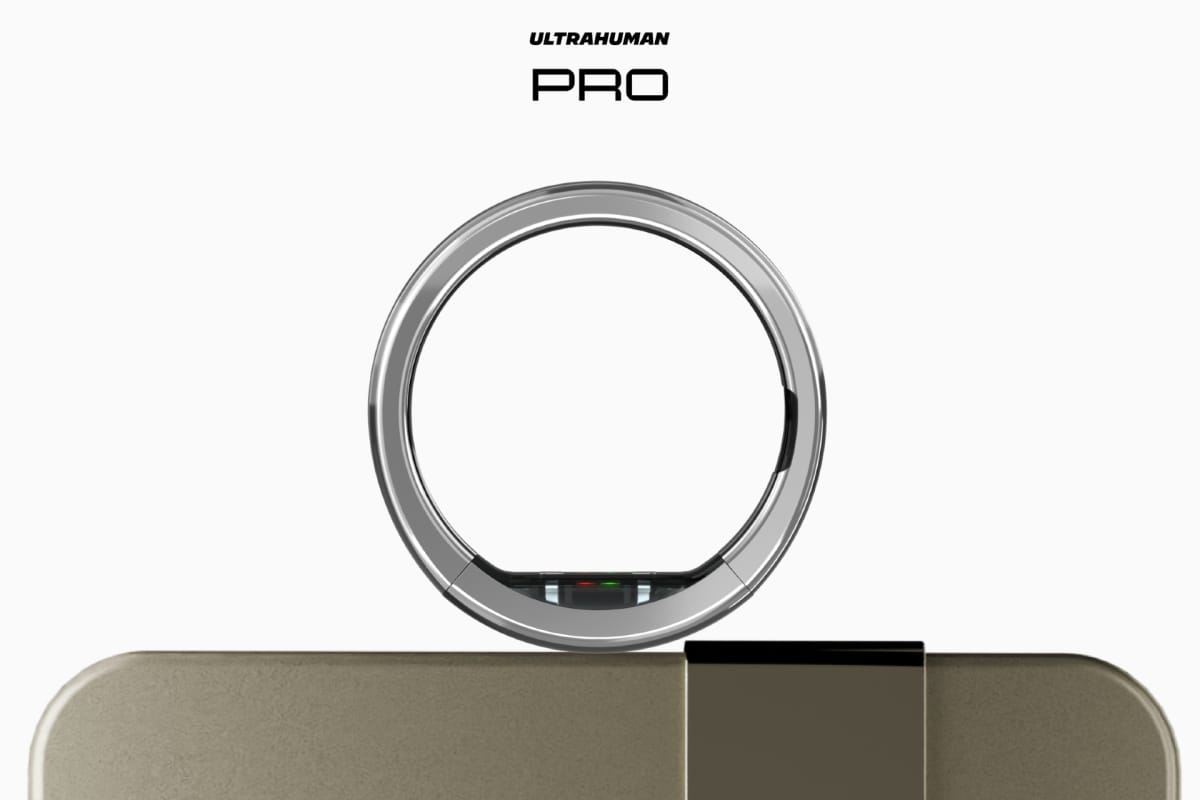
The launch of Ultrahuman’s Ring Pro signifies a pivotal shift in the wearable technology market, presenting both opportunities and challenges for industry stakeholders. As the smart wearables sector continues to grow, understanding the technical nuances and market dynamics of the Ring Pro is crucial for entrepreneurs and businesses looking to capitalize on this trend. This editorial analysis aims to dissect the competitive landscape and assess the implications of this innovative product on the broader industry.
The Rise of the Ring Pro: A Game-Changer in Wearable Technology
Ultrahuman’s introduction of the Ring Pro is more than just a product launch; it signifies a strategic move to reclaim its position in the competitive U.S. market. This smart ring, with its advanced features, is designed to offer users enhanced personal health management capabilities, setting a high bar for competitors. Industry reports suggest that the global smart wearable market is expected to reach $54 billion by 2026, driven by increasing consumer awareness and demand for health monitoring devices.
The Ring Pro’s standout features include an impressive 15-day battery life, a significant improvement over its predecessor, the Ring Air, which had a battery life of only 4 to 6 days. Priced at $479, it positions itself as a premium yet accessible option, targeting a broad demographic of health-conscious consumers. The integration of Ultrahuman’s biointelligence system, Jade, enables real-time health insights, moving beyond traditional retrospective analysis and offering users actionable data for better health decisions.
Second-Order Effects: What Most People Miss
The introduction of the Ring Pro is likely to have several second-order effects that are not immediately apparent. Firstly, the emphasis on real-time health data could shift consumer expectations, pushing other wearable manufacturers to enhance their offerings to remain competitive. This could lead to a technological arms race, where companies invest heavily in research and development to incorporate more advanced health monitoring features into their devices.
Secondly, the Ring Pro’s focus on user-friendly design and functionality might influence the development of new standards in the wearable tech industry. As consumers become accustomed to seamless integration and extended battery life, these features could become the baseline for future products. This shift in consumer expectations could pose challenges for companies that are unable to innovate at the same pace.
Moreover, the Ring Pro’s success could catalyze a broader adoption of wearable technology in sectors beyond personal health, such as corporate wellness programs and insurance. By providing employers and insurers with detailed health metrics, the Ring Pro could play a role in shaping new business models that prioritize preventive health measures.
Why this visual matters: The Smart Ring Revolution and U.S. Market Shift keywords highlight the significance of Ultrahuman’s strategic entry into the wearable landscape, emphasizing its potential to redefine personal health management and influence market trends.
Data & Competition: Who Stands to Win or Lose?
In the competitive landscape of wearable technology, the introduction of the Ring Pro is poised to disrupt existing market dynamics. Companies like Oura and Fitbit, which have dominated the smart ring and fitness tracker markets, respectively, may face increased pressure to innovate and differentiate their products. The Ring Pro’s advanced features and competitive pricing could attract a significant portion of their customer base, particularly those seeking more comprehensive health insights.
On the other hand, companies that specialize in niche markets or offer complementary products might find opportunities for collaboration with Ultrahuman. By leveraging the Ring Pro’s capabilities, these companies could enhance their product offerings and tap into new customer segments. For instance, fitness app developers could integrate with the Ring Pro to provide users with personalized workout and recovery plans based on real-time health data.
Frequently Asked Questions
What distinguishes the Ring Pro from other smart rings?
The Ring Pro offers a unique combination of extended battery life, real-time health insights through the Jade system, and improved heart-rate sensing capabilities, setting it apart from other smart rings in the market.
How can businesses incorporate the Ring Pro into their offerings?
Businesses can explore partnerships with Ultrahuman to integrate the Ring Pro’s technology into their platforms, use the data for personalized customer experiences, or develop complementary products that align with health and wellness trends.
What are the legal considerations for companies in the wearable tech industry?
Companies must navigate patent laws and import regulations, as demonstrated by Ultrahuman’s legal recovery. Understanding these legal frameworks can help businesses avoid potential disputes and align their strategies with compliance requirements.
Who is the primary target audience for the Ring Pro?
The Ring Pro primarily targets health-conscious individuals, with a significant portion of its customer base being women, reflecting the growing demand for tailored health solutions in this demographic.
Meet the Analyst
Marcus Vance, Tech Editor
Marcus Vance is a seasoned technology journalist with over a decade of experience analyzing trends in the wearable tech industry. His insights have been featured in leading tech publications worldwide.
Last Updated: March 2026 | HustleBotics Editorial Team