
Reframing the News: LinkedIn’s Certification Program
On June 23, 2026, LinkedIn introduced a new certification program designed to validate users’ proficiency in modern technological tools, prominently featuring vibe coding. This initiative comes in collaboration with various established platforms, including Descript, Lovable, Replit, and Relay.app, which will assess user proficiency through their respective applications. Users will earn certificates based on their engagement, outcomes, and overall competence within these tools, subsequently displaying them on their LinkedIn profiles.
According to a recent report from edX, the demand for skills in modern technologies has surged, with job postings requiring such expertise doubling over the past year. This trend is further corroborated by insights from Indeed’s Hiring Lab, which projects that by the end of 2025, 4.2% of job postings in the U.S. will feature terminology related to modern technologies. This suggests that LinkedIn’s initiative is not merely a response to current trends but a proactive measure to meet the growing needs of the job market.
As Hari Srinivasan, VP of Product at LinkedIn, noted, “In today’s job landscape, fluency in the technologies that employers rely on, along with proficiency in AI tools, is becoming essential.” This statement underscores the necessity of trust in skills verification, which LinkedIn aims to enhance through this certification program.
Second-Order Effects
While the immediate benefit of LinkedIn’s certification program is clear—enhanced visibility for users’ skills—there are deeper implications that merit exploration. The introduction of verified skills could lead to a significant shift in the recruitment landscape, influencing how employers assess candidates and how professionals position themselves in the job market.
One potential second-order effect is the democratization of skill verification. By allowing users to showcase their proficiency through verified certifications, LinkedIn may level the playing field for job seekers from diverse backgrounds and education levels. This could disrupt traditional hiring practices, where degrees and formal education often overshadow practical skills. As a result, employers may increasingly prioritize demonstrable skills over academic qualifications, reshaping the criteria for hiring across various industries.
Furthermore, the integration of verified skills into LinkedIn profiles may encourage a culture of continuous learning and skill development among professionals. With the knowledge that their proficiency can be validated and displayed, individuals may be more inclined to invest time in learning modern technologies and tools. This could lead to an overall increase in the skill level of the workforce, fostering innovation and adaptability in an ever-evolving job market.
Additionally, the potential for organizations to express interest in joining this initiative opens up avenues for collaboration between LinkedIn and various industries. As more organizations participate, the certification program could evolve to encompass a wider range of skills and competencies, further solidifying LinkedIn’s position as a leader in professional networking and skill validation.
Data & Competition
The introduction of LinkedIn’s certification program has the potential to create significant shifts in the competitive landscape of professional networking platforms. As organizations increasingly seek to validate skills and competencies, platforms that can effectively provide such services will likely experience a surge in user engagement and trust.
The immediate winners in this scenario are likely to be LinkedIn and the partnered platforms—Descript, Lovable, Replit, and Relay.app. By leveraging their existing user bases and integrating with LinkedIn’s vast network, these platforms stand to gain greater visibility and credibility. This could lead to increased user acquisition and retention, as professionals seek to enhance their profiles with verified skills.
On the other hand, platforms that do not adapt to this trend may find themselves at a disadvantage. For instance, traditional job boards that rely solely on resumes and cover letters may struggle to compete with LinkedIn’s evolving model. As job seekers increasingly gravitate towards platforms that offer verified skill assessments, traditional job boards could face declining user engagement.
Moreover, the competitive landscape may also prompt other professional networking platforms to develop similar initiatives. As LinkedIn sets the standard for skill verification, competitors may need to innovate and enhance their offerings to retain their user base. This could lead to a proliferation of certification programs across various platforms, ultimately benefiting professionals by providing more avenues for skill validation.
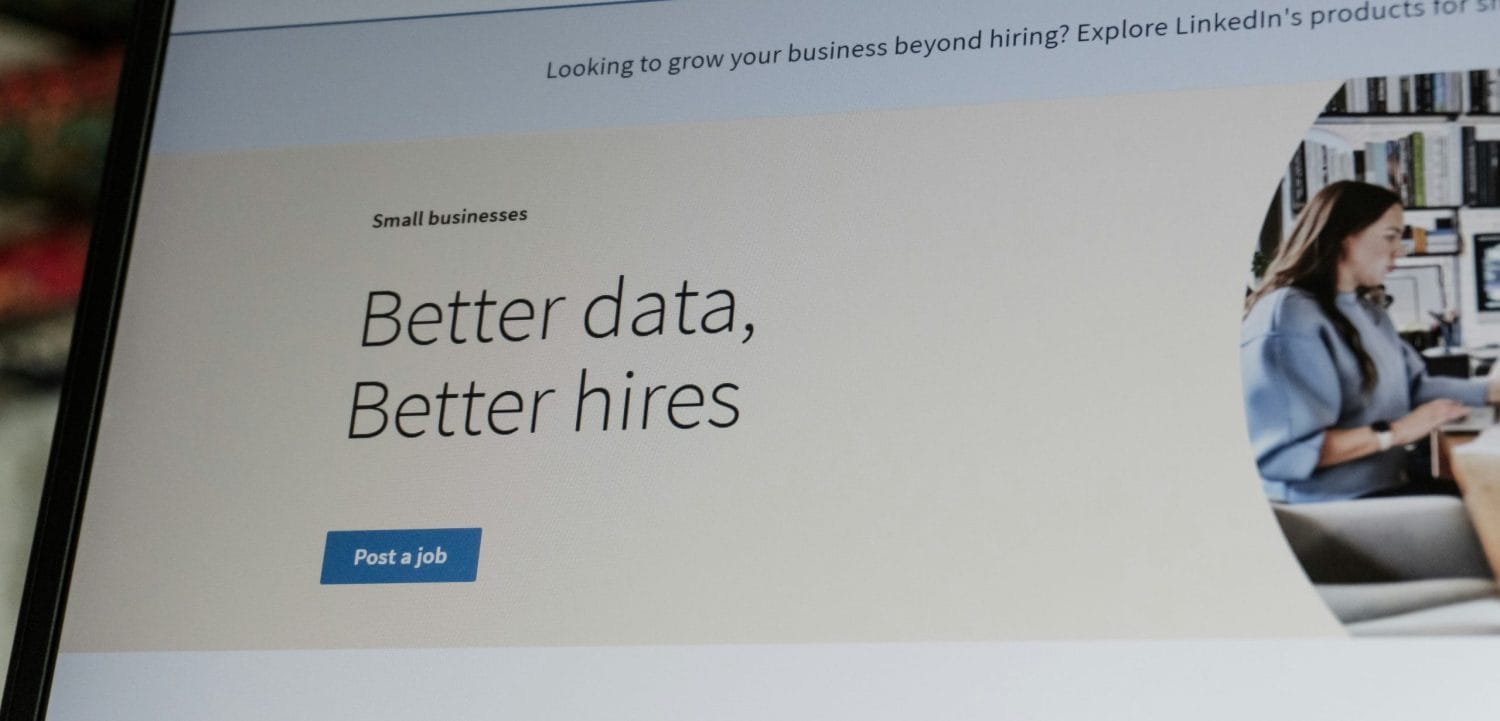
Why this visual matters: This image illustrates LinkedIn’s new certification program, emphasizing the importance of showcasing verified skills in vibe coding. By integrating these keywords into your professional profile, you enhance your visibility and credibility in a competitive job market.
Frequently Asked Questions
What is the purpose of LinkedIn’s new certification program?
The certification program aims to validate users’ proficiency in modern technologies, allowing them to showcase verified skills on their LinkedIn profiles, thereby enhancing their credibility in the job market.
How will users earn these certifications?
Users will earn certifications based on their engagement with partnered platforms, including Descript, Lovable, Replit, and Relay.app. The algorithms used by these platforms will assess user proficiency and generate certificates accordingly.
What are the potential impacts of this certification program on the job market?
The certification program could disrupt traditional hiring practices by prioritizing demonstrable skills over academic qualifications, leading to a more equitable job market. Additionally, it may encourage continuous learning and skill development among professionals.
Meet the Analyst
Marcus Vance, Tech Editor – A seasoned journalist with over a decade of experience covering technology and its impact on business and society, Marcus provides insights into the latest trends shaping the professional landscape.
Last Updated: March 2026 | HustleBotics Editorial Team