Market Shift: The Rise of Stationary Batteries
The recent announcement from Lunar Energy, which secured a remarkable $232 million through two funding rounds, marks a significant turning point in the energy storage market. While electric vehicles (EVs) have historically dominated investment discussions, stationary batteries are now emerging as critical players in the energy landscape.
According to a report from the International Energy Agency (IEA), energy storage capacity is expected to grow by over 30% annually over the next decade, driven by the increasing need for grid stability and the integration of renewable energy sources. Lunar Energy, with its focus on residential battery packs, is poised to capitalize on this trend. Their ambitious plans to ramp up production to 100,000 units by 2028 reflect a growing recognition of stationary batteries as essential components for a sustainable energy future.
Furthermore, a recent analysis by Bloomberg New Energy Finance (BNEF) suggests that the global energy storage market could reach $620 billion by 2040, driven by advancements in battery technology and declining costs. Lunar Energy’s strategy to produce modular battery systems that can be rapidly deployed aligns perfectly with these market predictions, positioning them as a key player in the impending energy transition.
Second-Order Effects
While the immediate focus is on the financial success of Lunar Energy and the growth of stationary batteries, the second-order effects of this market shift are equally significant. The surge in investment and innovation within the battery sector is likely to catalyze several broader changes:
1. Increased Grid Resilience
As the demands on the electrical grid escalate due to an electrified economy and growing data center requirements, the integration of stationary batteries will enhance grid resilience. Lunar Energy’s virtual power plant (VPP) technology exemplifies how these batteries can not only store energy but also regulate supply and demand, thereby reducing reliance on traditional, polluting peaking power plants. This shift could lead to a more stable and sustainable energy grid, ultimately benefiting consumers and businesses alike.
2. Economic Implications
The rapid advancement in battery technology is likely to drive job creation across the energy sector. As companies like Lunar Energy scale their operations, they will require a skilled workforce to support manufacturing, installation, and maintenance. This could lead to a resurgence of domestic manufacturing, particularly in regions previously reliant on fossil fuels, thereby stimulating local economies.
3. Policy and Regulatory Changes
The increasing prominence of stationary batteries may necessitate a reevaluation of existing energy policies and regulations. Lawmakers will need to address how these technologies fit within current frameworks, particularly concerning incentives for renewable energy adoption and grid modernization. As the market matures, we may witness new policies designed to encourage investment in energy storage infrastructure, further propelling the sector’s growth.
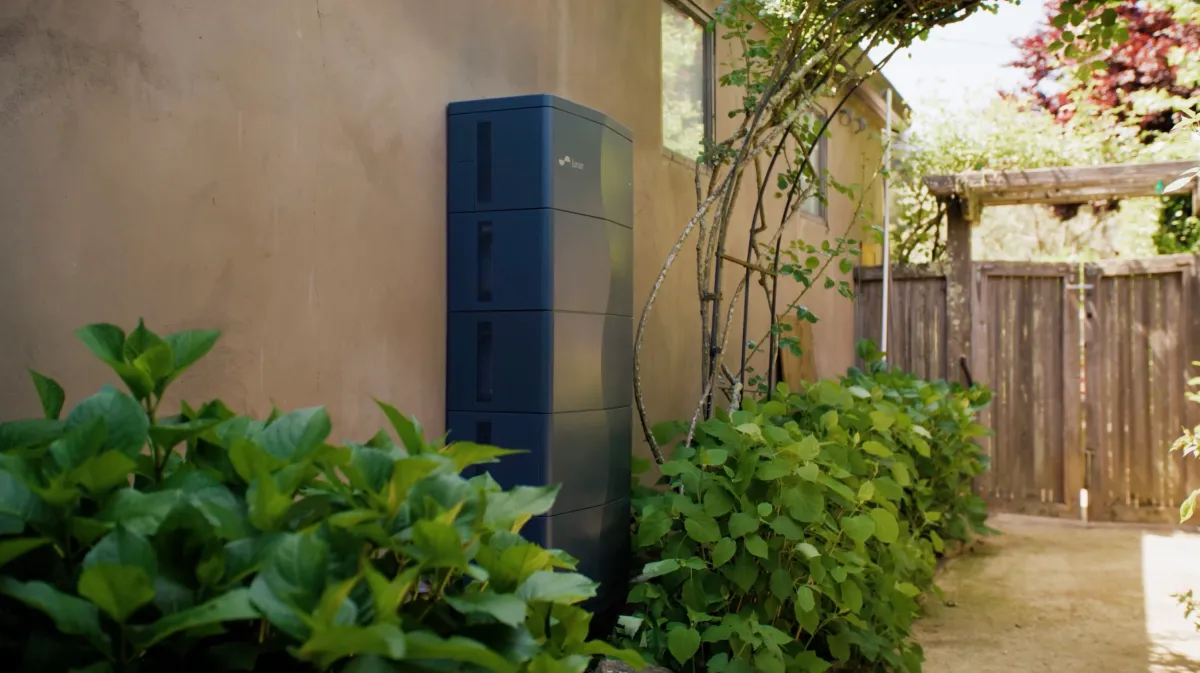
Why this visual matters: This image highlights the innovative battery solutions from Lunar Energy that are set to enhance grid stability and support renewable energy integration. With a focus on Lunar Energy Battery Solutions and Grid Stability Innovations, it emphasizes the company’s role in shaping the future of energy storage.
Data & Competition
The competitive landscape in the energy storage sector is heating up, with numerous players vying for market share. Lunar Energy’s recent funding success places it in a strong position, but it is not without competition.
Base Power, for instance, recently secured $1 billion to support its residential battery-based VPP, indicating a robust appetite for investment in this space. Additionally, Tesla continues to expand its Powerwall-based VPP, capitalizing on its established brand presence and technological prowess. Meanwhile, former Tesla executive JB Straubel’s Redwood Materials is also making waves with new energy storage solutions, further intensifying competition.
Despite the competitive pressure, Lunar Energy’s focus on manufacturing modular battery systems uniquely positions it to meet the growing demand for energy storage. The rapid decline in battery costs, coupled with increasing investor interest, suggests that the energy storage market will continue to flourish.
As the market evolves, the ability to scale production efficiently will be paramount. Lunar Energy’s goal of producing 20,000 units by the end of this year and ramping up to 100,000 units by 2028 demonstrates a commitment to meeting this demand head-on.
Frequently Asked Questions
What is Lunar Energy’s primary focus?
Lunar Energy specializes in manufacturing battery packs for residential customers, aiming to enhance grid stability and promote renewable energy integration through innovative battery solutions.
How much funding has Lunar Energy secured?
Recently, Lunar Energy completed two funding rounds, securing a total of $232 million, including $130 million in a Series C round and $102 million in a Series D round.
What role do stationary batteries play in grid stability?
Stationary batteries help manage energy supply and demand, particularly during peak usage times. By storing energy and releasing it when needed, they enhance grid resilience and reduce reliance on traditional peaking power plants.
Who are Lunar Energy’s competitors in the market?
Lunar Energy faces competition from companies like Base Power, which secured $1 billion for its residential battery VPP, and Tesla, which continues to expand its Powerwall-based VPP offerings.
Meet the Analyst
Marcus Vance
Marcus Vance is a seasoned energy market analyst with over a decade of experience in assessing trends within the renewable energy sector. His insights focus on emerging technologies and their impact on market dynamics.
Last Updated: March 2026 | HustleBotics Editorial Team