Core Analysis of Helion’s Breakthrough
Helion, a frontrunner in the fusion energy race, has achieved a significant milestone by utilizing deuterium-tritium fuel in its Polaris prototype, reaching unprecedented plasma temperatures. This achievement positions Helion as a key player in a highly competitive market, particularly as it has secured a contract with Microsoft to supply energy from its upcoming Orion reactor starting in 2028.
According to a recent report by the International Energy Agency (IEA), the demand for clean energy sources is projected to increase by 50% over the next decade. The IEA emphasizes that innovations in fusion technology could potentially meet this demand, making companies like Helion pivotal in the transition to sustainable energy. Moreover, a study by the Global Energy Monitor indicates that the fusion energy sector could attract upwards of $100 billion in investments by 2030, driven by advancements in technology and growing environmental concerns.
Helion’s unique approach involves a field-reversed configuration reactor that utilizes a magnetic field produced during fusion to generate electricity directly, thus enhancing efficiency over traditional heat extraction methods. The company’s ambitious goal of achieving plasma temperatures of 200 million degrees Celsius is not only a technical challenge but also a strategic move that could place them at the forefront of energy generation technology. By focusing on direct electricity recovery, Helion is setting itself apart from competitors who are still reliant on conventional methods.
Second-Order Effects
The implications of Helion’s advancements extend far beyond the immediate landscape of fusion energy. One of the most significant second-order effects could be the acceleration of investment in related technologies. As Helion demonstrates the viability of fusion energy, it may catalyze increased funding for research and development in complementary fields such as energy storage, grid management, and advanced materials.
Additionally, the success of Helion could lead to a paradigm shift in energy policy and regulation. Governments around the world may be prompted to reevaluate their energy strategies, potentially prioritizing fusion energy initiatives over traditional fossil fuel investments. This shift could result in a more favorable regulatory environment for fusion startups, thereby enhancing competition and innovation within the sector.
Moreover, the potential for clean energy to disrupt existing industries cannot be overlooked. Traditional energy providers may face significant challenges as fusion energy becomes commercially viable, leading to a reevaluation of their business models. This disruption could create opportunities for new entrants to the market, particularly those that can leverage Helion’s technology or develop complementary solutions.
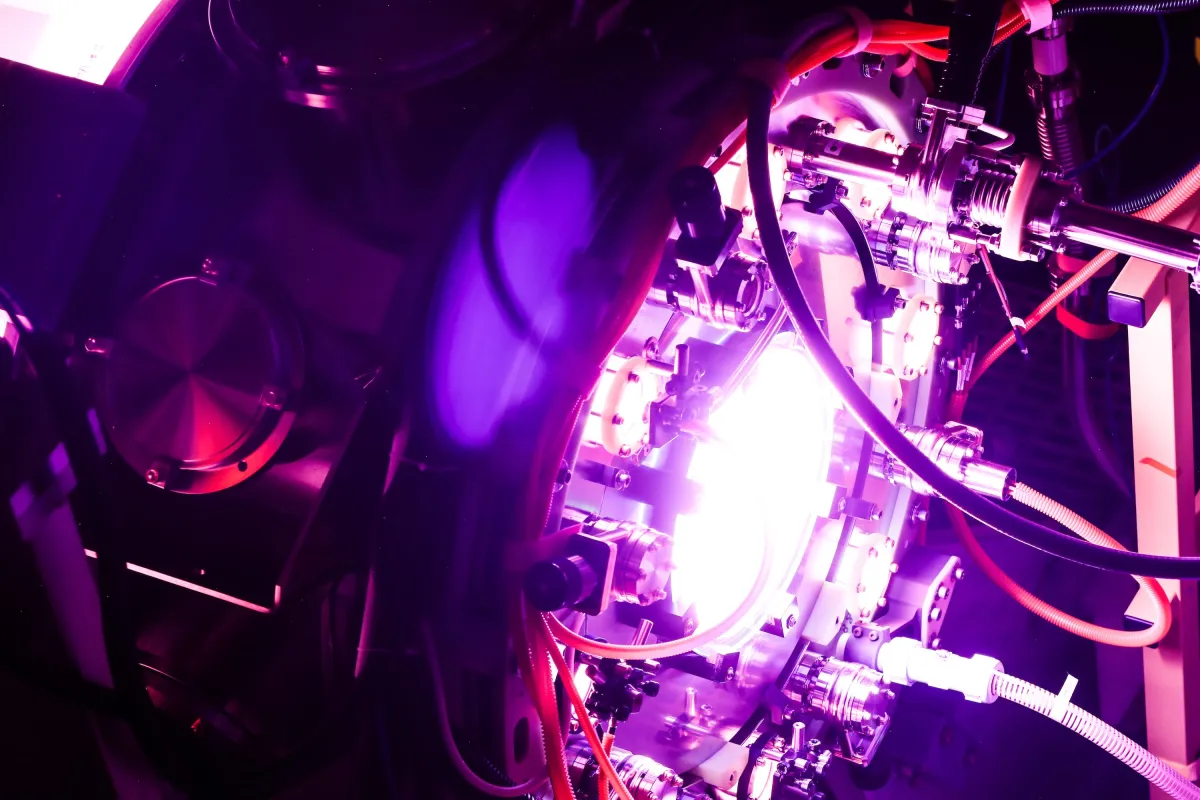
Why this visual matters: The image encapsulates the essence of revolutionizing energy, illustrating the transition towards a clean energy future driven by innovations like those from Helion. By showcasing this pivotal moment, we highlight the importance of sustainable energy solutions in shaping the market landscape.
Data & Competition
As Helion continues to make strides in fusion energy technology, the competitive landscape is becoming increasingly dynamic. The recent influx of investments into fusion startups is indicative of a burgeoning industry that is capturing the attention of major financial backers. For instance, Commonwealth Fusion Systems has raised $863 million, while Type One Energy is seeking to secure $250 million, illustrating the competitive arms race to commercialize fusion energy.
However, Helion’s strategic position is strengthened by its early contract with Microsoft, which not only provides a guaranteed revenue stream but also validates Helion’s technology in the eyes of investors and the market. This contract could serve as a blueprint for future partnerships between fusion startups and large tech companies, leading to a more integrated approach to energy solutions.
In terms of market impact, Helion’s advancements could lead to a significant shift in energy pricing and availability. As fusion energy becomes more accessible, traditional energy prices may face downward pressure, making clean energy a more attractive option for consumers and businesses alike. This could also influence global energy policies, as countries aim to reduce their carbon footprints and transition to sustainable energy sources.
The potential for Helion to succeed in its ambitious goals could position the company as a leader in the energy sector, with implications for job creation and economic growth. The fusion energy market is expected to create thousands of jobs in engineering, research, and manufacturing, further stimulating economic development in regions that invest in this technology.
Frequently Asked Questions
What is Helion’s main technological advancement?
Helion’s main advancement lies in its ability to reach high plasma temperatures using deuterium-tritium fuel in its Polaris prototype, enabling efficient direct electricity generation from fusion reactions.
How does Helion’s approach differ from traditional energy methods?
Helion’s approach utilizes a magnetic field produced during fusion to generate electricity, enhancing efficiency compared to traditional methods that rely on heat extraction from fusion reactions.
What are the implications of Helion’s success on the energy market?
Helion’s success could disrupt existing energy markets, leading to lower prices for clean energy, increased investment in related technologies, and a shift in regulatory policies favoring sustainable energy solutions.
What future goals does Helion have for its technology?
Helion aims to achieve plasma temperatures of 200 million degrees Celsius and transition to using deuterium-helium-3 fuel for higher efficiency and performance in energy generation.
Meet the Analyst
Marcus Vance, Tech Editor, specializes in energy innovations and market dynamics. With over a decade of experience analyzing technological trends, Marcus provides insights into the evolving landscape of sustainable energy.
Last Updated: March 2026 | HustleBotics Editorial Team