Revolutionizing Agriculture: A Technological Leap Forward
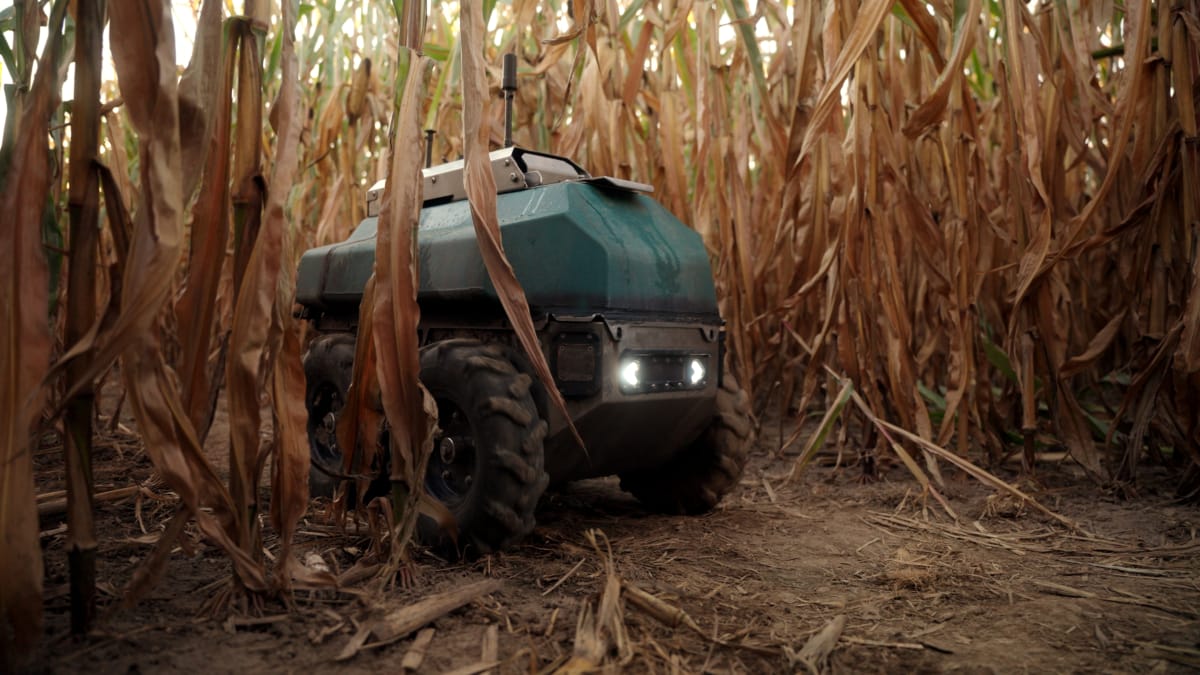
The agricultural industry is witnessing a paradigm shift, with sustainable farming practices gaining traction as essential components of the future. Upside Robotics, a startup based in Waterloo, Ontario, is leading this charge with its innovative approach to fertilizer application. Designed to optimize nutrient delivery, Upside Robotics utilizes lightweight, solar-powered autonomous robots equipped with advanced algorithms that assess weather and soil conditions. This technology allows for precise fertilizer application, addressing a critical inefficiency in traditional farming methods.
According to a report from the Global Agricultural Robotics Market, the sector is projected to grow at a CAGR of 24% over the next five years. This growth is fueled by the increasing demand for efficient farming practices and the need to reduce environmental impact. Upside Robotics aligns perfectly with these trends by tackling one of the industry’s most pressing issues: fertilizer waste. Currently, farmers typically apply excessive fertilizer, with only 30% being utilized by crops, leading to significant waste and increased costs.
The founders of Upside Robotics, Jana Tian and Sam Dugan, recognized this gap in the market. Their hands-on approach to prototype development, which involved direct engagement with farmers, allowed them to create a solution that resonates with the needs of the agricultural community. By focusing on corn production—one of the crops that consumes the most fertilizer—Upside Robotics is poised to make a substantial impact on the industry.
Second-Order Effects
While the immediate benefits of Upside Robotics’ technology are clear, the second-order effects merit deeper exploration. As farmers adopt precision agriculture tools, the implications extend beyond mere cost savings. The potential for enhanced crop yields could lead to increased food production, which is critical as the global population continues to rise. This increase in productivity can alleviate some pressure on food supply chains, contributing to food security.
Moreover, as more farmers embrace sustainable practices, there will likely be a shift in consumer behavior. A growing number of consumers are seeking sustainably sourced products, and farmers who adopt these technologies may find themselves better positioned in the market. This shift could drive demand for sustainable agricultural products, creating a ripple effect throughout the supply chain.
Additionally, the technological advancements introduced by Upside Robotics may inspire further innovation within the industry. As the initial barriers to adopting these technologies are lowered through demonstrated return on investment, other startups may emerge, offering complementary solutions. This could lead to a more competitive landscape and further advancements in agricultural efficiency.
Why this visual matters: This image illustrates the innovative solutions offered by Upside Robotics, showcasing how sustainable farming practices can revolutionize agriculture. By cutting fertilizer use and maximizing profits, these technologies represent a significant advancement in the agricultural landscape.
Data & Competition
The competitive landscape for agricultural technologies is rapidly evolving. Upside Robotics has managed to carve out a niche by focusing on precision fertilizer application, but it faces competition from various players in the market. Companies like Trimble Ag and AG Leader Technology are also developing advanced solutions that enhance farming efficiency. However, the unique selling proposition of Upside Robotics lies in its commitment to sustainability, which is increasingly appealing to modern consumers and farmers alike.
In terms of market impact, Upside Robotics has reported a remarkable 70% reduction in fertilizer use, translating to approximately $150 in savings per acre per season. This figure not only highlights the cost-effectiveness of their solution but also underscores the environmental benefits of reduced fertilizer runoff. As farmers face rising costs and increasing scrutiny regarding their environmental footprint, the value proposition offered by Upside Robotics becomes even more compelling.
Furthermore, the recent $7.5 million seed funding secured by Upside Robotics underscores investor confidence in the startup‘s potential. With over 200 farms currently on their waiting list, the demand for their technology is evident. This growth trajectory positions Upside Robotics as a leader in the sustainable agriculture space, with aspirations to expand into the U.S. corn belt.
As the agricultural sector continues to evolve, the winners will be those companies that can effectively balance profitability with sustainability. Upside Robotics is well-positioned to lead this charge, demonstrating that innovation can drive both economic and environmental benefits.
Frequently Asked Questions
What is Upside Robotics?
Upside Robotics is a startup focused on developing autonomous robots that deliver precise amounts of fertilizer and nutrients to crops, optimizing agricultural practices for sustainability and efficiency.
How does Upside Robotics reduce fertilizer use?
The technology utilizes advanced algorithms to assess weather and soil conditions, allowing for targeted fertilizer application that reduces waste and enhances crop yields.
What are the financial benefits for farmers using Upside Robotics?
Farmers can expect to save approximately $150 per acre per season due to a reported 70% reduction in fertilizer use, making it a cost-effective solution for modern farming.
What is the future outlook for Upside Robotics?
With a growing waiting list of over 200 farms and recent funding for research and development, Upside Robotics is poised for significant expansion, particularly into the U.S. corn belt.
Meet the Analyst
Marcus Vance, Tech Editor, has over a decade of experience covering innovations in technology and agriculture. He specializes in analyzing market trends and their implications for future developments in various industries.
Last Updated: March 2026 | HustleBotics Editorial Team