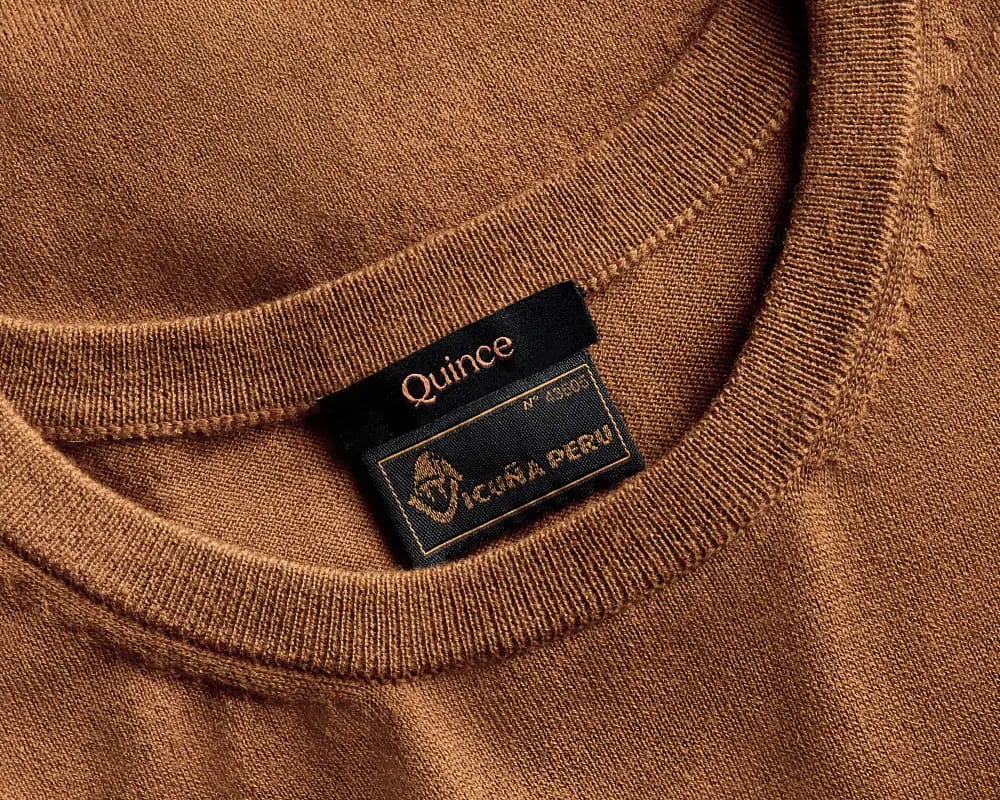
In a sea of rapid innovation within e-commerce, Quince has emerged as a formidable player by announcing a staggering $500 million Series E funding round, propelling its valuation to a jaw-dropping $10.1 billion. This significant milestone is not just a reflection of Quince’s growth but also a pivotal moment for the future of direct-to-consumer automation systems in retail.
🌐 CONTEXT & BACKGROUND
For entrepreneurs navigating the ever-shifting sands of e-commerce, understanding the implications of Quince’s latest funding round is crucial. This news signifies a changing paradigm where traditional retail models may no longer dominate the landscape.
Founded in 2020, Quince revolutionized the e-commerce space by adopting a “manufacturer-to-consumer” business model, cutting out traditional distribution channels. Prior to Quince, the marketplace was largely governed by middlemen, overstocks, and waste, leading to inefficiencies that plagued both manufacturers and consumers alike. With Quince’s strategy, the aim is to mitigate these challenges, offering higher quality products directly to consumers while maintaining an agile production process.
📊 MARKET IMPACT ANALYSIS
The competition landscape is shifting as companies scramble to align with this new model. Quince’s rise represents a significant win for the direct-to-consumer segment, while more traditional retailers scramble to adapt. Quince’s unique positioning enables it to achieve better margins through lower manufacturing costs compared to traditional retail chains.
Winners: Quince is at the forefront, benefiting from brand loyalty and positive market reception. Their control over the entire manufacturing process allows for reduced waste and improved efficiency. Investors such as Iconiq and Basis Set Ventures also enjoy a significant gain from their early-stage investments.
Losers: Traditional retailers that rely on conventional distribution models will find it increasingly difficult to compete, especially as consumer preferences shift toward higher quality, sustainable products. Brands that engage in litigation against Quince are also facing reputational risks, as this could alienate their customer base.
This disruptive change toward automation systems can potentially reshape industries like fashion, home goods, and wellness, allowing startups to leverage technology to optimize production and distribution. Businesses can capitalize on more efficient manufacturing processes, resulting in substantial financial opportunities.
⚔️ COMPETITIVE COMPARISON
Compared to previous market leaders in e-commerce, Quince’s operational model offers a fascinating benchmark. For instance, traditional retail giants boast extensive supply chains but suffer from delayed market responses and stock waste. In contrast, Quince exercises tight control over its tech stack, allowing for real-time inventory management and swift product iterations.
Additionally, while many competitors rely on third-party manufacturing firms, Quince’s direct control means they can produce goods at a faster rate, fulfilling consumer demand promptly. The quick pivot from a $4.5 billion valuation in 2025 to $10.1 billion highlights the growing confidence in Quince’s business model. They’ve set a new standard for operational performance.
🛠️ REAL-WORLD USE CASES & MONETIZATION
Quince’s recent success isn’t just an inspiring narrative; it offers actionable insights for entrepreneurs looking to monetize similar systems. Here are three specific workflows that could be immediately applied:
- ⚡ Direct Manufacturing Partnerships: Collaborate with local artisans or manufacturers to create unique products, similar to Quince’s approach.
- ⚡ Online Customization Platforms: Establish an intuitive online interface allowing customers to customize products, streamlining production for smaller runs with direct consumer input.
- ⚡ Sustainable Goods Aggregation: Focus on selling sustainable, ethically produced products to tap into environmentally-conscious consumer markets, pairing this with effective content marketing.
📈 DATA & TRENDS
The e-commerce market is projected to grow at a Compound Annual Growth Rate (CAGR) of around 15%, reaching upwards of $6 trillion by 2026. Quince represents a model that could shape new norms within this expansive market.
Investment interest in proprietary tech solutions has surged, with estimated venture capital funding expected to exceed $300 billion by 2026. Consumer adoption of manufacturer-direct models is also on the rise, with surveys indicating that nearly 70% of shoppers prefer buying directly from brands.
🧠 HUSTLEBOTICS EDITORIAL INSIGHT
Based on our analysis at HustleBotics, Quince’s success epitomizes a paradigm shift in retail. Entrepreneurs must pay close attention to how control over the supply chain impacts their agility in market responses and customer engagement. The rise of manufacturer-to-consumer models is not merely a trend; it’s a redefinition of the retail framework.
🔮 FUTURE PREDICTIONS
Over the next six months, expect other e-commerce platforms to adopt similar business models, leveraging tech innovations that allow for better inventory and consumer data management. By 2025, those who hone their strategies around efficient, controlled manufacturing systems will emerge as key players in the market.
Within two years, this shift may unveil a new standard for e-commerce, scraping longstanding practices that have proven inefficient. Quince could either be hailed as a pioneer or as a catalyst, inspiring a wave of similar startups that promise to reshape the landscape. The question remains: will this be a pivot point or just another fleeting trend?
❓ FAQ SECTION (SEO Booster)
What is Quince’s business model?
Quince operates on a manufacturer-to-consumer business model that allows it to cut out middlemen and sell high-quality products directly to consumers.
How does Quince ensure product quality?
The company owns its manufacturing processes, which enables better control over design, production, and sales forecasting, leading to higher quality products.
Can Quince’s model be replicated by startups?
Absolutely! Startups can adopt similar direct-to-consumer models, leveraging local manufacturing partnerships and focusing on quality and sustainability.
What impact has Quince had on traditional retail?
Quince has highlighted inefficiencies in traditional retail models, prompting many established brands to rethink their operational strategies and adopt more agile processes.
What does the future hold for e-commerce?
The future of e-commerce is poised for growth, with the manufacturer-direct model likely to dominate as consumer preferences shift towards faster, quality-focused purchasing options.