Understanding Plumery’s Standardized Integration Dominance
In a world where financial services are increasingly reliant on technology, Plumery’s introduction of the “AI Fabric” represents a significant shift towards standardized integration within the industry. This framework allows financial institutions to streamline their operations by connecting various technological tools to their banking data and services, thus minimizing the need for custom integrations. According to a report by Deloitte, firms that embrace such transformative technologies can expect to see a 20-30% increase in operational efficiency within the first year of implementation.
Moreover, a recent analysis by Accenture highlights that the financial services sector could save up to $1 trillion globally by adopting innovative solutions like Plumery’s AI Fabric. This presents a golden opportunity for firms not just to enhance their operational capabilities but also to drive substantial cost savings and improve customer experiences.
Plumery’s AI Fabric is not merely a technical advancement; it is a paradigm shift that can redefine how financial institutions operate. By embedding such technologies into their core functions, organizations can reduce operational silos, enhance governance, and drive efficiency. As financial institutions increasingly recognize the necessity of these innovations, the question becomes how they can best leverage them to achieve a competitive edge.
Second-Order Effects
While the immediate benefits of implementing Plumery’s AI Fabric are clear—namely, enhanced efficiency and streamlined operations—the second-order effects are where the real intrigue lies. One significant impact will be the potential for redefined customer relationships. As organizations adopt standardized integration, they can offer more personalized and responsive services to clients, which can lead to increased customer loyalty and retention. This could disrupt traditional customer service paradigms within the financial sector, pushing competitors to reevaluate their service delivery models.
Furthermore, the enhanced data connectivity enabled by AI Fabric could lead to more sophisticated risk management practices. According to a report by McKinsey, financial institutions that effectively utilize integrated technology solutions are better equipped to identify and mitigate risks in real-time, ultimately leading to a more resilient financial ecosystem. This shift could drastically alter the landscape of risk assessment, making it more proactive rather than reactive.
Another second-order effect to consider is the potential for regulatory shifts. As financial institutions become more technologically advanced through solutions like AI Fabric, regulators may need to adapt their frameworks to ensure compliance and governance. This could lead to new regulations aimed at managing the complexities introduced by standardized integrations, which could both challenge and empower financial institutions.
Data & Competition
The introduction of Plumery’s AI Fabric is set to create a ripple effect in the competitive landscape of financial services. Organizations that swiftly adopt this technology will likely emerge as frontrunners, while those that lag behind may find themselves at a disadvantage. The competitive edge will hinge on the ability to seamlessly integrate innovative solutions into existing operations.
Winners in this scenario will be the institutions that not only adopt but adapt. A report by PwC indicates that firms that prioritize technological adaptability see 30% higher customer satisfaction ratings compared to their less adaptive counterparts. Banks leveraging Plumery’s AI Fabric can expect to enhance their service offerings, thereby positioning themselves as leaders in customer experience.
Conversely, the losers in this transformation will be the organizations that remain complacent. Legacy systems that cannot integrate with modern solutions may face obsolescence, leading to a loss of market share. Additionally, firms that fail to recognize the importance of compliance and governance in their technological strategies may face regulatory penalties, further exacerbating their competitive disadvantages.
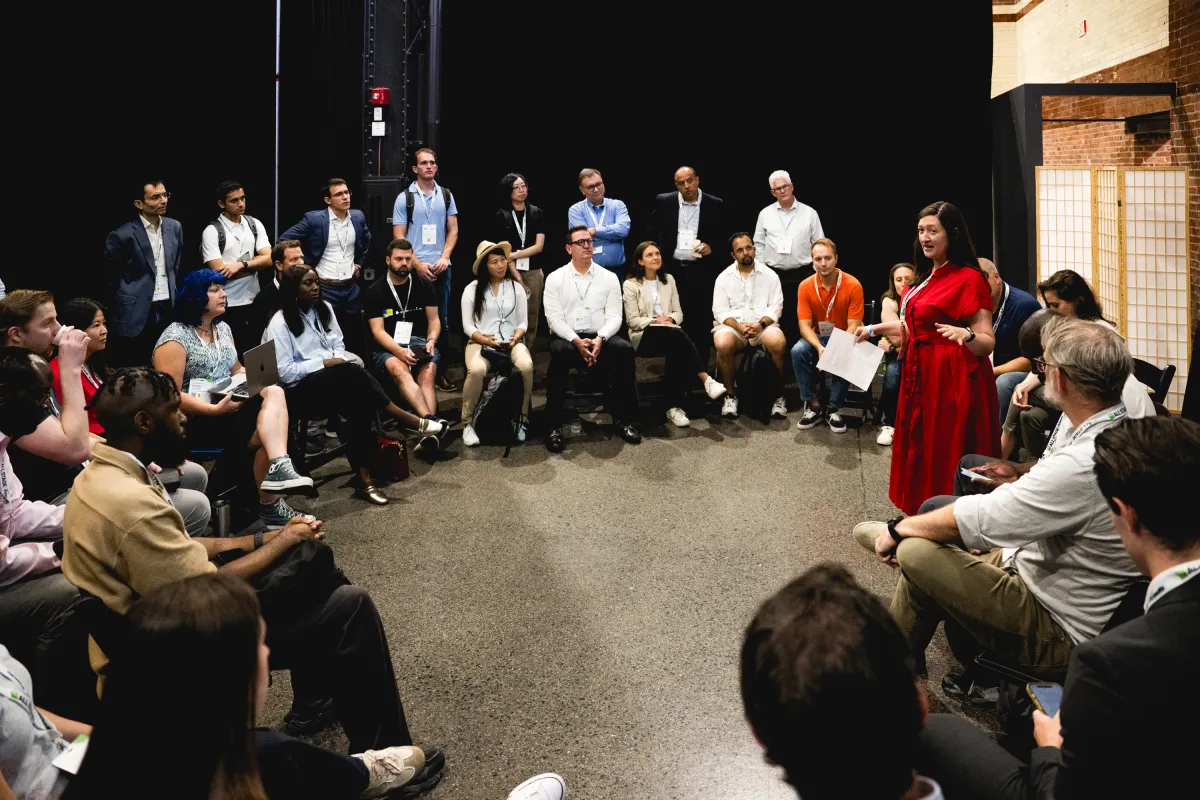
Why this visual matters: This image illustrates the transformative potential of Plumery’s AI Fabric in the financial sector, emphasizing its role in enhancing financial technology integration. Understanding this integration is crucial for financial institutions aiming to leverage standardized solutions for operational efficiency.
In conclusion, the advent of Plumery’s AI Fabric is not just a technological upgrade; it is a catalyst for profound change in the financial services industry. Organizations that recognize the importance of this shift and adapt accordingly will thrive, while those resistant to change may find themselves struggling to keep up.
Frequently Asked Questions
What is Plumery’s AI Fabric?
Plumery’s AI Fabric is a standardized integration framework that connects various technological tools to banking data and services, designed to streamline operations and enhance efficiency for financial institutions.
How can financial institutions benefit from adopting AI Fabric?
Financial institutions can experience increased operational efficiency, reduced costs, improved customer experiences, and enhanced risk management capabilities by adopting AI Fabric.
What are the potential risks of not adopting standardized integration solutions?
Organizations that do not adopt standardized integration solutions may face obsolescence due to legacy systems, loss of market share, and potential regulatory penalties for non-compliance.
How can firms ensure compliance while integrating new technologies?
Firms can ensure compliance by staying informed about regulatory changes, understanding governance frameworks, and crafting their services to meet compliance requirements effectively.
Meet the Analyst
Marcus Vance, Tech Editor, specializes in analyzing the intersection of technology and finance. With over a decade of experience in the industry, he provides insights into how emerging technologies can reshape traditional business models.
Last Updated: March 2026 | HustleBotics Editorial Team