
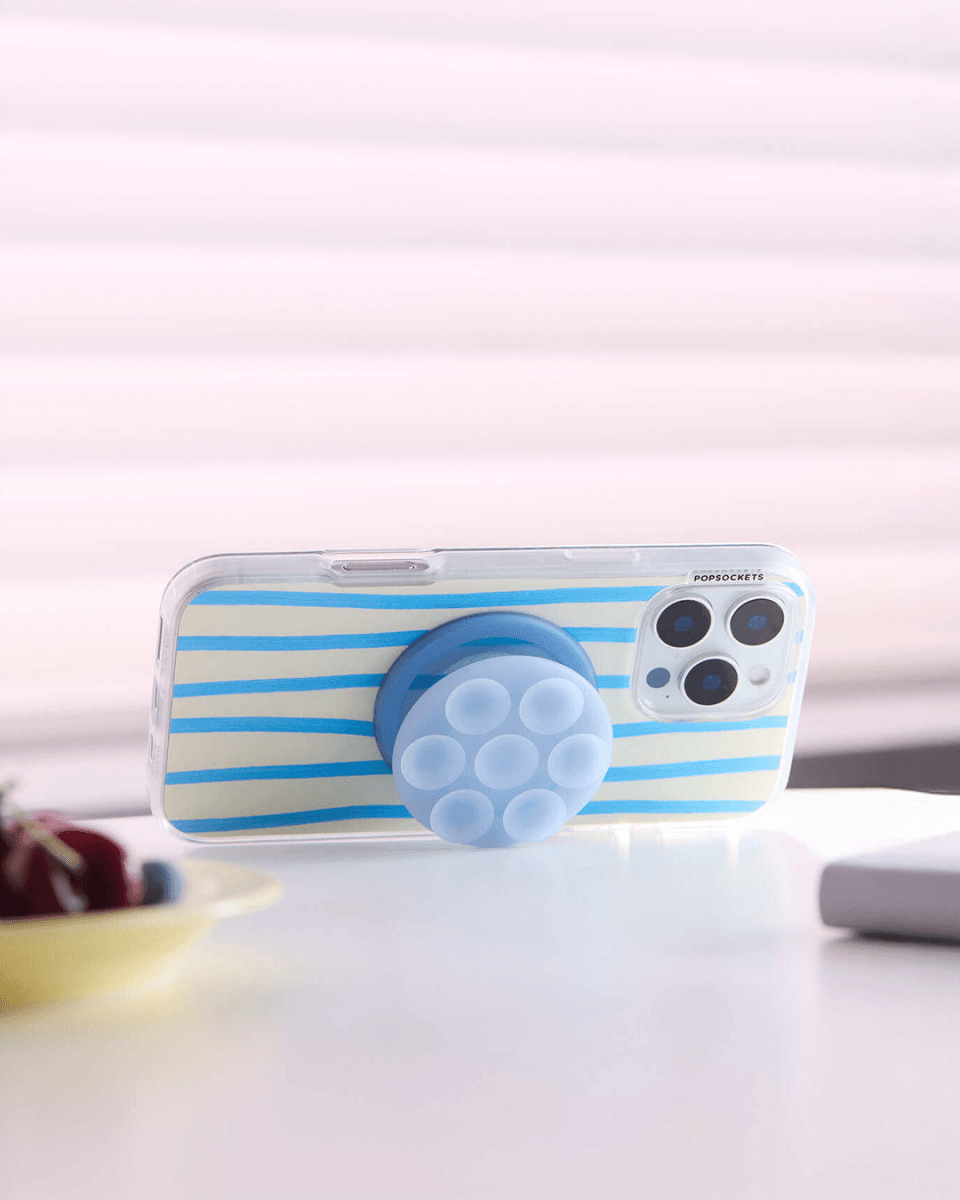
🌐 Context & Background
For entrepreneurs navigating the turbulent seas of startup culture, understanding the potential of a bootstrapped model like PopSockets offers invaluable insights into a viable path less traveled. With the explosive growth of startup funding and venture capital, many assume that success is synonymous with massive initial investments; however, PopSockets has proven that a lean, founder-led approach can not only sustain but thrive in a competitive landscape.
Founded in a Boulder garage, PopSockets began as a simple solution to a common problem: the difficulty of holding and using smartphones. Before this breakthrough, the consumer hardware space was mired in reliance on venture capital, resulting in inflated valuations, greed-driven decision-making, and often, a higher rate of failure. The success of PopSockets demonstrates that a combination of ingenuity, resilience, and strategic thinking can yield extraordinary results even in an industry dominated by big-money players.
📊 Market Impact Analysis
PopSockets’ triumph has various ripple effects throughout the startup ecosystem. While the brand stands as a massive winner, the losers are the overly funded competitors who failed to recognize the value of a solid, self-funded foundation. This evolution in business models signifies a monumental shift in automation across sectors that have long prioritized funding over sustainable growth. Industries, particularly in consumer electronics and accessories, will likely face disruptions as more entrepreneurs adopt similar fiscally conservative approaches.
The financial opportunities arising from PopSockets’ model are multifaceted. Entrepreneurs now have a roadmap to success that begins with minimal investment, creating healthier profit margins and long-term sustainability. These dynamics introduce a new equilibrium in the marketplace where companies can prioritize innovation without the pressure of appeasing investors with unrealistic growth projections.
⚔️ Competitive Comparison
When benchmarking PopSockets against its traditional counterparts, it’s clear that its unique model sets it apart. Competing brands that showed rapid growth primarily fueled by venture capital funding—the likes of which include OtterBox and various phone accessory brands—struggled when faced with issues like manufacturing defects and market saturation. With PopSockets, the philosophy is grounded in consumer needs, not just dollar signs.
In terms of metrics, PopSockets’ revenue trajectory demonstrates sustainable growth with fewer fluctuations that typically characterize VC-backed startups. While competitors chased market share through heavy discounting strategies, PopSockets maintained a dedicated customer base thanks to its innovative, user-friendly designs and robust brand identity. This stark contrast is a lesson in balancing ambition with grounded fiscal strategies—one that can now serve as a blueprint for emerging entrepreneurs.
🛠️ Real-World Use Cases & Monetization
With the PopSockets model as a beacon, here are three actionable workflow ideas that can be immediately monetized:
- ⚡ Leverage Crowdfunding: Create a limited-edition product line and launch on platforms like Kickstarter. This allows entrepreneurs to gauge market interest and fund initial production without diluting equity.
- ⚡ Direct-to-Consumer Sales: Establish an online storefront while using social media marketing to build a community around upcoming products. Drive loyalty through personalized customer service and quality engagement.
- ⚡ Subscription Models: Incorporate a subscription-based service for exclusive product releases or customized accessory designs, providing ongoing revenue streams while increasing consumer engagement.
📈 Data & Trends
The consumer hardware market is experiencing dynamic changes. Analysts predict that the sector will grow at a Compound Annual Growth Rate (CAGR) of about 15% through 2026. Additionally, venture capital investment in hardware projects is expected to reach approximately $20 billion by the end of this period. User adoption trends indicate that the demand for innovative, user-friendly products will rise, further destabilizing businesses relying solely on traditional funding methodologies.
Moreover, according to market research, the global spending on consumer electronics will surge to $1 trillion by 2026, opening up untapped potential for startups that follow the PopSockets formula of minimal initial investment and significant focus on quality and consumer feedback.
🧠 HustleBotics Editorial Insight
Based on our analysis at HustleBotics, the narrative around PopSockets is integral to the ongoing dialogue about entrepreneurship’s evolving landscape. The success derived from a low-dilution, bootstrapped approach not only provides a compelling case study but also inspires new generations of entrepreneurs to rethink their strategies. This shift toward a more sustainable business model will lay the groundwork for future innovations while encouraging risk-conscious decision-making in an aggressive funding environment.
🔮 Future Predictions
In the next six months, we expect to see more startups gravitating toward the PopSockets way of doing business. Founders will increasingly seek a balance between independence and growth, eyeing smaller, nimble operational structures. In two years, this will likely evolve into a broader movement, prompting industry standards to change about funding strategies and operational frameworks.
This paradigm shift is not merely a passing trend; it signals a potential pivot point for the entire industry. As entrepreneurs demystify the illusion that success requires extensive venture capital, we can anticipate a redefinition of what it means to be a successful startup in the consumer hardware space.
❓ FAQ Section
What is PopSockets and how did it succeed?
PopSockets is a consumer hardware brand known for its innovative phone accessories. It succeeded by utilizing a bootstrapped model focused on quality, user needs, and minimal initial investment, bypassing the common reliance on venture capital.
How can entrepreneurs replicate the PopSockets model?
Entrepreneurs can replicate the PopSockets model by focusing on a specific consumer problem, utilizing minimal funding to build a prototype, and leveraging direct-to-consumer sales for better margins while building brand loyalty.
Can I create my own consumer hardware brand without venture capital?
Yes, creating a consumer hardware brand without venture capital is achievable by adopting a lean business model, conducting market research, crowdfunding initial production, and engaging directly with your consumer base.
What are the key takeaways from PopSockets’ journey?
The key takeaways from PopSockets’ journey include the importance of understanding consumer needs, maintaining operational flexibility, and valuing quality over quantity in investments and production.
How do market trends affect startups in consumer hardware?
Market trends are crucial for startups as they influence consumer preferences, anticipate competitive dynamics, and identify potential gaps in the market that can be capitalized on for innovative product offerings.