🌐 CONTEXT & BACKGROUND
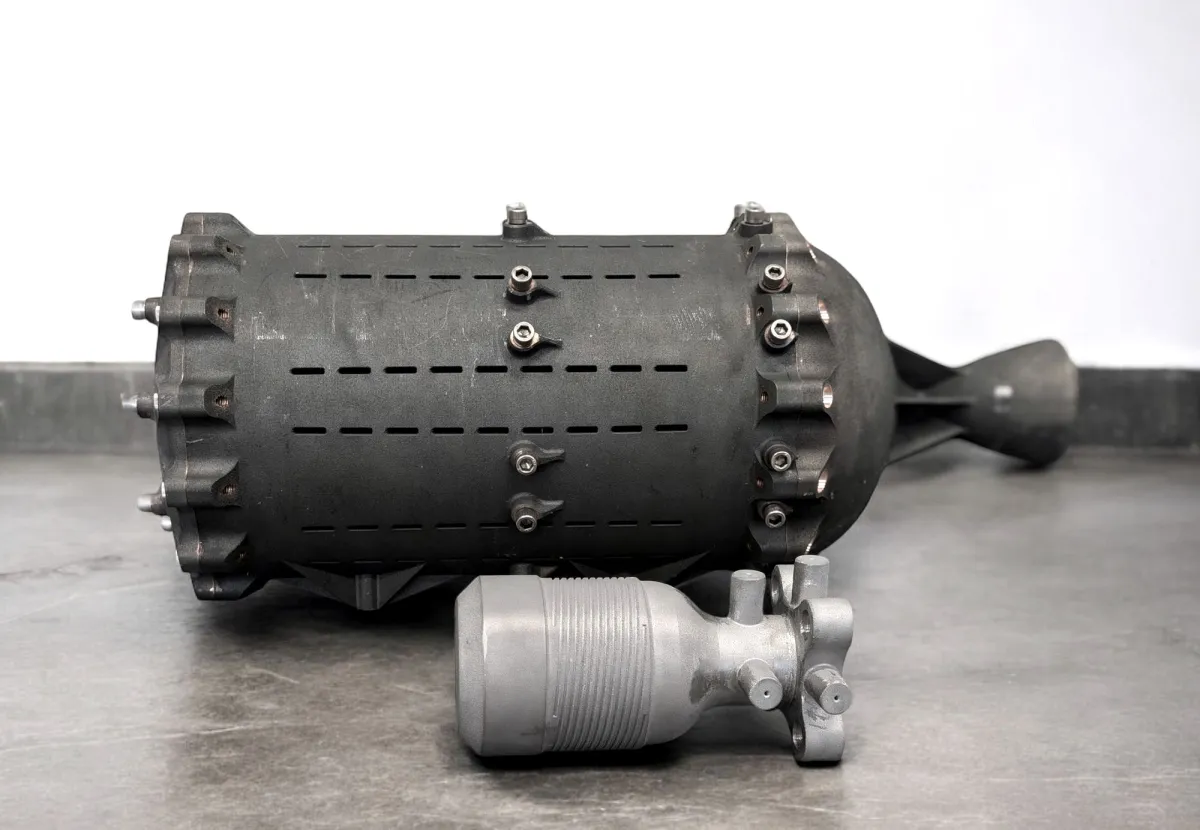
For entrepreneurs in the aerospace sector, the launch of Portal Space Systems marks a seismic shift in propulsion technology that can redefine cost and operational efficiency in space travel. As the industry pivots towards advanced mobility solutions, understanding the potential of solar thermal propulsion can unlock significant competitive advantages.
The concept of efficient propulsion has been in the spotlight since the 1960s, a time when NASA sought innovative solutions for space exploration that pushed the boundaries of what was technically possible. The failure to capitalize on solar thermal propulsion stemmed from a lack of demand for in-space mobility solutions. Fast forward to today—thousands of satellites are launched every year, pivoting the market from traditional chemical propulsion to advanced alternatives. The historical backdrop provides entrepreneurs with a contextual understanding that fuels present-day innovation.
📊 MARKET IMPACT ANALYSIS
With Portal Space Systems’ recent announcement of securing $50 million in Series A funding, the trajectory of the space propulsion industry is set for dramatic change. The winners in this scenario are diversified stakeholders—from satellite operators to defense contractors—who will benefit from the streamlined operational capabilities offered by Portal’s propulsion systems. The losers? Traditional propulsion technology providers failing to innovate or pivot quickly enough.
Automation Systems like those offered by Portal are poised to disrupt industries that rely on high-velocity mobility in space, such as telecommunications, Earth observation, and national security. This new propulsion mechanism not only promises faster travel times but also reduces the costs associated with maneuverability in crowded orbits. As reported, the military and commercial sectors will find valuable leverage through this cutting-edge technology, capturing new financial opportunities in orbital maneuvering and national defense.
⚔️ COMPETITIVE COMPARISON
When it comes to propulsion mechanisms, the existing landscape is dominated by chemical engines and electric propulsion systems. Portal’s solar thermal propulsion will offer technical benchmarks beyond both, leveraging the sun’s energy to achieve high-speed thrust without significant fuel costs. Compared to traditional chemical propulsion, which requires extensive fuel storage and intricate supply lines, solar thermal engines present a more sustainable, forward-thinking model.
Even against the likes of established players focusing on nuclear propulsion vehicles, Portal’s tech marks a useful stepping stone. While nuclear rockets face regulatory hurdles, solar thermal propulsion can be operational in a far shorter timeline, provided it passes necessary testing phases slated for the coming years. This inherent agility allows Portal to seize a unique market position, enabling them to address the growing needs of satellite operators efficiently.
🛠️ REAL-WORLD USE CASES & MONETIZATION
Enterprises keen on leveraging Portal’s technology can roll out several monetization strategies immediately. Here are three specific workflow ideas:
- ⚡ **Satellite maneuvering services:** Companies that operate satellite fleets can reduce your operational costs significantly by utilizing Portal’s propulsion for orbital corrections and maneuvers.
- ⚡ **Research & Development partnerships:** Collaborate with Portal to iterate on propulsion solutions that meet specific mission profiles in academia or private sector projects.
- ⚡ **Propulsion as a Service (PaaS):** Envision a subscription-based model where customers lease propulsion solutions for specific missions, lowering barriers to entry for smaller startups and solo entrepreneurs.
📈 DATA & TRENDS
The global investment in space technology has skyrocketed, reaching an estimated $500 billion in 2021 and predicted to grow at a compound annual growth rate (CAGR) of 5% through 2026. This growth trajectory underscores a shifting focus towards innovative technologies like Portal’s solar thermal propulsion.
User adoption trends indicate that by 2026, over 75% of newly launched satellites will likely utilize advanced propulsion systems to increase efficiency—an impressive shift from the traditional models currently in use. As the U.S. military and commercial sectors prioritize rapid deployment and flexibility, the demand for efficient propulsion methods will only intensify.
🧠 HUSTLEBOTICS EDITORIAL INSIGHT
Based on our analysis at HustleBotics, the advancements made by Portal Space Systems in propulsion technology signify a pivotal moment for the aerospace sector. As market players shift towards more sustainable solutions and efficient operational models, entrepreneurs must take note of this burgeoning opportunity. This technological evolution won’t just benefit established corporations but opens avenues for agile startups and innovative thinkers ready to pivot their focus towards advanced mobility in space.
🔮 FUTURE PREDICTIONS
Looking forward, the next six months will likely see Portal testing its technology rigorously, with the first flight of its SuperNova spacecraft anticipated in 2027. As this technology gains traction, we expect to witness conversations around regulatory approvals and subsequent partnerships with larger aerospace players.
In two years, we predict a marked shift in how companies approach satellite deployments and orbital operations. Solar thermal propulsion might just become a mainstream solution, giving birth to new venture opportunities while posing challenges for companies anchored in older technologies. This isn’t just hype; it’s a potential turning point wherein agile players can capitalize on the momentum Portal is generating.
❓ FAQ SECTION
What is solar thermal propulsion?
Solar thermal propulsion utilizes concentrated sunlight to heat propellant, producing thrust that propels spacecraft more efficiently than traditional chemical engines.
How does Portal Space Systems stand out in the aerospace market?
Portal’s innovative use of solar thermal propulsion allows for faster deployment and maneuverability, making them a key competitor against traditional rocket propulsion technologies.
Can smaller startups utilize Portal’s technology for their own needs?
Absolutely! Smaller enterprises can collaborate or partner with Portal to leverage its propulsion technology effectively, reducing operational costs and enhancing their service offerings.
What industries will be most impacted by this technology?
Space exploration, telecommunications, and defense industries are poised to see significant transformation as they adopt solar thermal propulsion to enhance operational efficiencies.
What does the investment landscape look like for space technology?
The investment landscape is growing rapidly, with space technology investments reaching $500 billion in 2021 and expected to grow at a CAGR of 5% into 2026 as new technologies emerge.